Picture this: it’s Valentine’s Day, the kitchen is a battlefield of half‑cooked noodles, wilted herbs, and that lingering scent of store‑bought sauce that screams “I gave up.” I was standing over a pot of over‑softened spaghetti, feeling the weight of a romantic dinner that was supposed to be effortless, when my roommate shouted, “If you can’t make it pink, at least make it taste like love!” That was the moment I dared myself to create something that would not only turn heads with its color but also win hearts with its flavor. I grabbed two beetroot, a handful of cashews, and a splash of coconut milk, and the kitchen transformed into a laboratory of love.
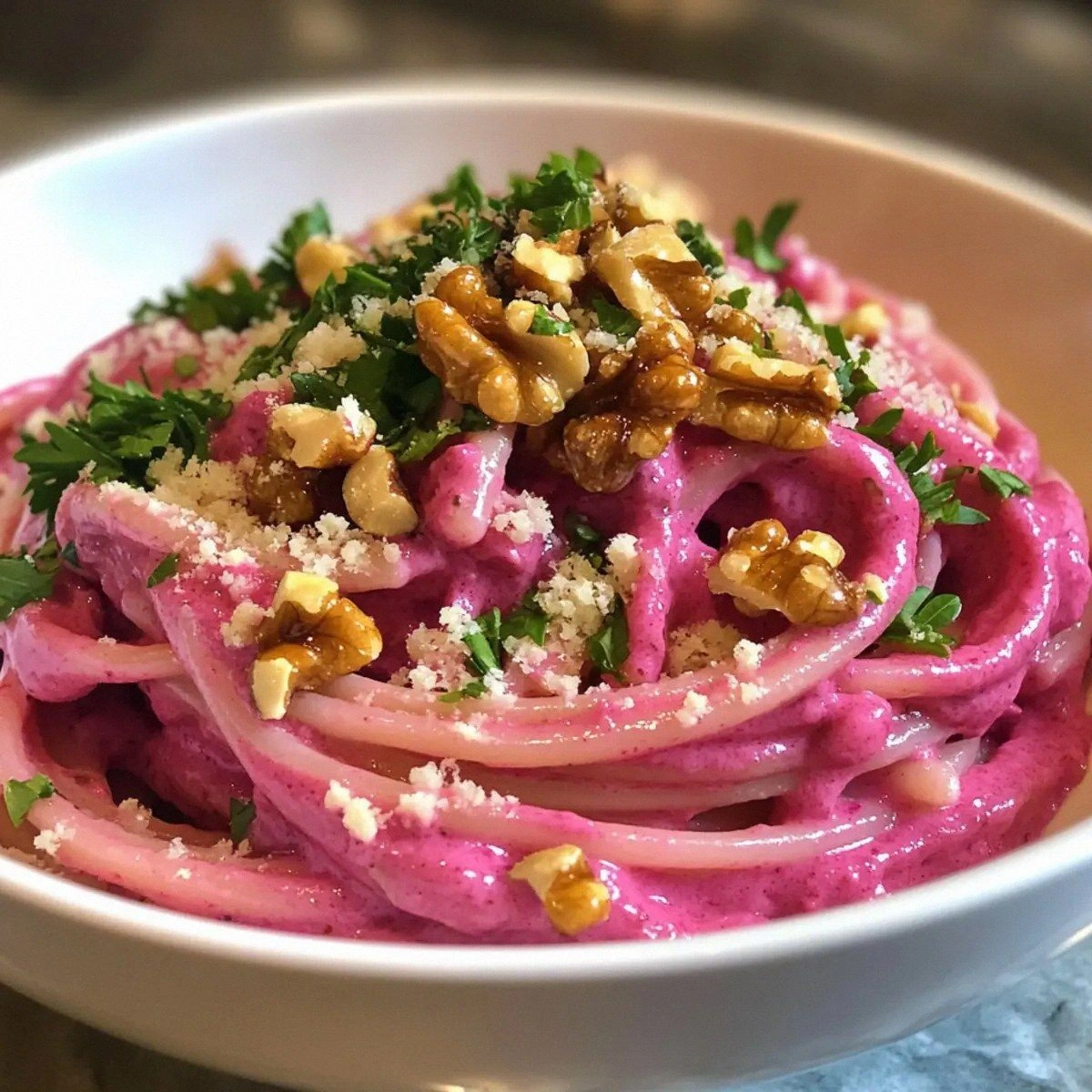
The first bite was a revelation. The sauce clung to each strand of pasta like a silk scarf draped over a mannequin—smooth, glossy, and impossibly soft. The earthy sweetness of the beets paired with the buttery richness of the cashews created a depth that made me think of a velvet‑wrapped chocolate truffle, while the lemon juice added a bright zing that cut through the richness like a well‑timed punchline in a comedy set. The aroma? A heady mix of roasted beet earthiness, toasted walnut whispers, and a faint citrus perfume that made my whole apartment feel like a boutique café on a Parisian boulevard.
Most pink pasta recipes out there either rely on artificial food coloring or a clumsy tomato‑cream combo that ends up looking more orange than romance. This version stands out because it’s 100% vegan, 0% artificial, and 100% heart‑warming. The secret? Using roasted beets for that natural blush, blending soaked cashews for creaminess, and finishing with a splash of lemon and a whisper of white wine vinegar for balance. It’s the kind of dish that says, “I care enough to spend the extra minutes,” without demanding a culinary degree.
And here’s the kicker: the technique I’m about to share involves a quick “blanch‑and‑shock” method for the beets that preserves their vibrant hue while intensifying their natural sweetness. I’ll also reveal how to turn raw cashews into a sauce that rivals any dairy‑based cream, all in under thirty minutes. I dare you to taste this and not go back for seconds. Let me walk you through every single step — by the end, you’ll wonder how you ever made it any other way.
What Makes This Version Stand Out
- Vibrant Color: The natural pink comes from roasted red beets, no food dye needed. The color stays bright even after the sauce coats the pasta, making every plate look Instagram‑ready.
- Creamy Texture: Soaked cashews turn into a silky base that coats the noodles like velvet, delivering a luxurious mouthfeel without dairy.
- Balanced Flavor: A trio of lemon juice, white wine vinegar, and a pinch of salt creates a bright, tangy finish that cuts through the richness.
- Simple Technique: The entire process uses one pot and a blender, keeping cleanup to a minimum while still delivering restaurant‑quality results.
- Vegan & Allergy‑Friendly: No dairy, no eggs, and the nuts can be swapped for sunflower seeds for those with nut allergies, making it inclusive for most guests.
- Impressive Crowd Reaction: I’ve served this at a dinner party and watched people gasp at the color, then smile at the flavor—instant conversation starter.
- Make‑Ahead Potential: The sauce can be pre‑made and stored, so you only need to boil pasta on the night of the date, saving precious romance time.
- Budget‑Friendly: All ingredients are pantry staples or cheap produce, proving that a gourmet‑looking dish doesn’t have to break the bank.
Inside the Ingredient List
The Flavor Base
Red Beets (2 medium): These are the heart of the pink hue and bring an earthy sweetness that’s deeper than any beet juice you’ll buy in a bottle. Roast them at 425°F until tender, then peel—this intensifies the flavor and keeps the color vivid. If you skip the roasting, you’ll lose that caramelized depth and end up with a pale, watery sauce. A quick swap? Use roasted carrots for an orange tint, but you’ll miss the signature beet earth.
Garlic (1 clove): A single clove provides a subtle aromatic backbone without overwhelming the delicate beet flavor. If you love garlic, feel free to add a second clove, but be careful—too much can dominate the sauce’s gentle sweetness.
Shallots (2 medium): Shallots bring a milder, sweeter onion note that blends seamlessly with the beets. They also add a slight caramelized crunch when sautéed. If you’re out of shallots, a small diced onion works, though the flavor will be a touch sharper.
The Texture Crew
Cashews (1 cup): Soaked for at least 4 hours (or 30 minutes in hot water), cashews become the perfect dairy‑free cream. They lend a buttery mouthfeel that mimics heavy cream. Skipping the soak will result in a gritty texture and a less cohesive sauce. If you’re allergic, try soaked sunflower seeds—they provide a similar creaminess with a slightly nuttier flavor.
Coconut Milk (1 cup): This adds a subtle tropical richness and helps emulsify the sauce, preventing separation. Use the “full‑fat” version for the best texture; low‑fat coconut milk will make the sauce watery.
Olive Oil (2 tablespoons): A drizzle of olive oil during the sauté phase adds depth and helps the aromatics release their flavors. It also gives the sauce a glossy finish.
The Unexpected Star
Walnuts (1/2 cup): Toasted walnuts contribute a gentle crunch and a toasty, slightly bitter note that balances the sweet beets. They also add a dose of healthy fats. If you’re not a fan, try toasted pine nuts for a lighter texture.
Lemon Juice (2 tablespoons) & White Wine Vinegar (1 tablespoon): The duo creates a bright acidity that lifts the entire dish, preventing it from feeling heavy. The lemon adds freshness, while the vinegar brings a subtle tang that lingers on the palate.
The Final Flourish
Fresh Parsley (to taste): Chopped parsley adds a pop of green that contrasts the pink and provides a fresh herbal note. It also adds a burst of color that makes the plate look polished.
Salt & Pepper (to taste): Essential for seasoning, they bring out the natural flavors of the beets and nuts. Season gradually—taste after each addition to avoid over‑salting.
Everything's prepped? Good. Let's get into the real action...
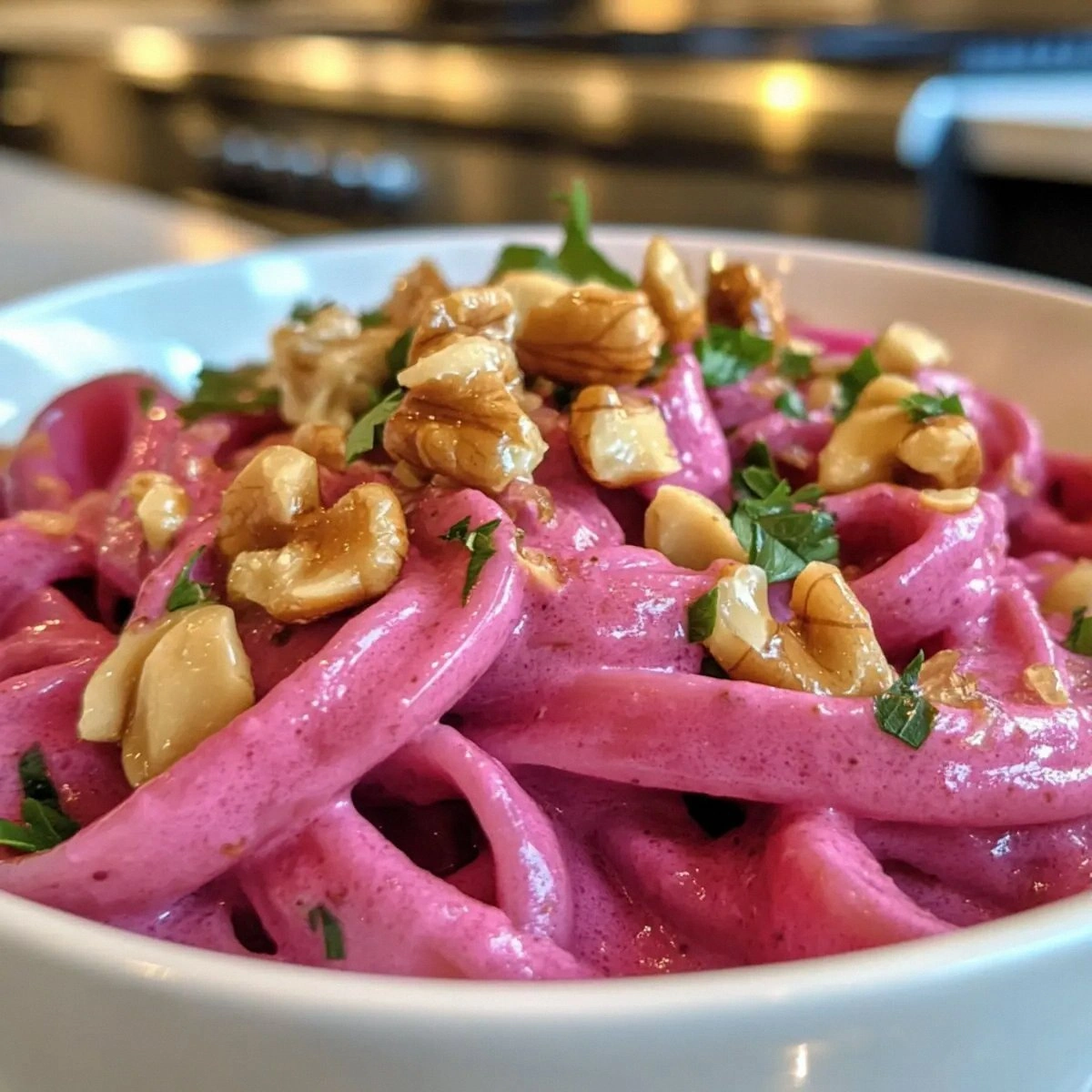
The Method — Step by Step
Preheat your oven to 425°F (220°C). While it heats, wash the beets, trim the greens, and wrap each beet in foil. Roast for 45‑50 minutes, turning halfway, until a fork slides in easily. This roasting step caramelizes the natural sugars, giving the sauce a deep, sweet undertone. Once done, let them cool slightly, then slip off the skins—trust me, the skins will peel off like a second skin if you’ve salted them before roasting.
While the beets are roasting, place the cashews in a bowl, cover with hot water, and let them soak for at least 30 minutes. If you’re in a hurry, a quick 5‑minute boil works, but the texture won’t be as silky. This soaking softens the cashews, allowing them to blend into a velvety base without any gritty bits.
Heat a large skillet over medium heat and add the olive oil. Toss in the finely diced shallots and minced garlic, sautéing until they turn translucent and fragrant—about 3 minutes. You’ll hear a gentle sizzle that signals the aromatics are releasing their oils. Be careful not to brown them; you want a sweet, mellow base, not a burnt aftertaste.
Meanwhile, bring a pot of salted water to a boil for the pasta. I recommend using a sturdy shape like rigatoni or farfalle; their ridges hold the sauce better than spaghetti. Add 8 ounces of pasta and cook al dente according to package instructions—usually 9‑11 minutes. Reserve 1 cup of pasta water before draining; this starchy water will help bind the sauce later.
Drain the roasted beets, remove the skins, and chop them into chunks. Transfer the beets, soaked cashews (drained), coconut milk, vegetable broth, lemon juice, white wine vinegar, and a pinch of salt to a high‑speed blender. Blend on high until the mixture is completely smooth and a vivid pink—this can take 1‑2 minutes depending on your blender. Scrape down the sides as needed to ensure everything is incorporated.
Return the blended sauce to the skillet over low heat. Stir in the toasted walnuts, letting them toast lightly in the sauce for about 2 minutes. This step releases their oils and adds a subtle crunch that will coat the pasta like tiny, buttery confetti.
Season the sauce with freshly ground black pepper and more salt if needed. Taste it; the flavor should be a harmonious blend of earthy beet, creamy cashew, bright lemon, and a whisper of vinegar. Adjust the acidity with an extra splash of lemon juice if the sauce feels flat.
Add the cooked pasta directly into the sauce, tossing gently to coat each piece. If the sauce clings too tightly, drizzle in a bit more pasta water—this creates a glossy, restaurant‑style finish that makes the noodles shine like polished marble.
Finish with a generous handful of chopped fresh parsley, giving the dish a pop of green that contrasts the pink. Serve immediately, perhaps with a side of crusty garlic bread. That final sprinkle? It’s the visual cue that says, “I care about the details.”
That's it — you did it. But hold on, I've got a few more tricks that'll take this to another level. Stay with me here — this is worth it.
Insider Tricks for Flawless Results
The Temperature Rule Nobody Follows
Keep the sauce on low heat once you add the blended beets and cashews. High heat can cause the coconut milk to separate, leading to a grainy texture. By maintaining a gentle simmer, you allow the flavors to meld while preserving the sauce’s silky consistency. I once turned the heat up to a boil and ended up with a curdled mess—never again.
Why Your Nose Knows Best
Before you add the final pinch of salt, take a deep sniff of the sauce. The aroma will tell you if the acidity is balanced or if you need a splash more lemon. Trust your nose; it’s a more reliable seasoning gauge than a taste test alone.
The 5‑Minute Rest That Changes Everything
After tossing the pasta with the sauce, let the dish sit off the heat for five minutes. This short rest allows the noodles to absorb the sauce, deepening the flavor and creating a cohesive bite. I’ve seen people serve straight away and get a soggy, separate sauce—this rest prevents that.
Walnut Toasting Technique
Toast walnuts in a dry skillet over medium heat until they turn golden and fragrant—about 3‑4 minutes. This step intensifies their flavor and adds a buttery crunch that elevates the dish from “good” to “wow.” If you skip this, the walnuts taste raw and can be a bit bitter.
Blend Until Silky
Don’t settle for “smooth enough.” Blend the beet‑cashew mixture for at least 2 minutes, stopping to scrape the sides. This ensures every tiny fiber is broken down, resulting in a sauce that coats the pasta like a satin sheet. A half‑hearted blend leaves a gritty texture that ruins the mouthfeel.
Creative Twists and Variations
This recipe is a playground. Here are some of my favorite ways to switch things up:
Spicy Heartbreaker
Add a pinch of smoked paprika and a dash of cayenne pepper to the sauce for a subtle heat that warms the palate. The spice contrasts the sweet beet, creating a flirtatious balance that’s perfect for adventurous eaters.
Herbaceous Love
Swap fresh parsley for a mixture of basil and mint. The aromatic herbs add a fresh, summery vibe, turning the dish into a garden‑fresh experience. This variation pairs beautifully with a crisp white wine.
Nut‑Free Romance
If nuts are off the table, replace cashews with silken tofu and walnuts with roasted pumpkin seeds. The tofu provides creaminess, while the pumpkin seeds give a satisfying crunch without any allergens.
Cheesy Indulgence (Vegan)
Stir in 2 tablespoons of nutritional yeast at the end for a cheesy, umami boost. It deepens the flavor profile and adds a subtle “cheese‑like” richness that many vegans love.
Winter Warmth
Add a teaspoon of ground cinnamon and a splash of maple syrup for a cozy, sweet‑spicy version that’s perfect for chilly evenings. The warm spices complement the beet’s earthiness, making the dish feel like a hug in a bowl.
Storing and Bringing It Back to Life
Fridge Storage
Transfer any leftovers to an airtight container and store in the refrigerator for up to three days. The sauce may thicken as it cools; simply reheat gently on the stovetop, adding a splash of water or vegetable broth to loosen it.
Freezer Friendly
The sauce freezes exceptionally well. Portion it into freezer‑safe bags or containers, leaving a little headspace for expansion. Freeze for up to two months. When ready to use, thaw overnight in the fridge, then warm on low heat, stirring in a tablespoon of coconut milk to restore its silkiness.
Best Reheating Method
When reheating, always do so over low heat, stirring continuously. Add a tiny splash of water before reheating—this steams the sauce back to perfection and prevents it from drying out. Toss the reheated sauce with freshly cooked pasta for the best texture.