I was in the middle of a frantic week, juggling spreadsheets, a toddler’s tantrums, and the relentless hum of a dishwasher that never seemed to stop. Somewhere between a burnt toast disaster and a soggy cereal nightmare, I found myself craving something that felt like a cheat‑day indulgence but wouldn’t sabotage my protein goals. I dared a friend to bring over a box of store‑bought hot pockets, and when I bit into the greasy, flavor‑less monster, I swore I’d never settle for that again. That moment sparked the birth of what I now call the ultimate snack hack: Protein Pizza Hot Pockets.
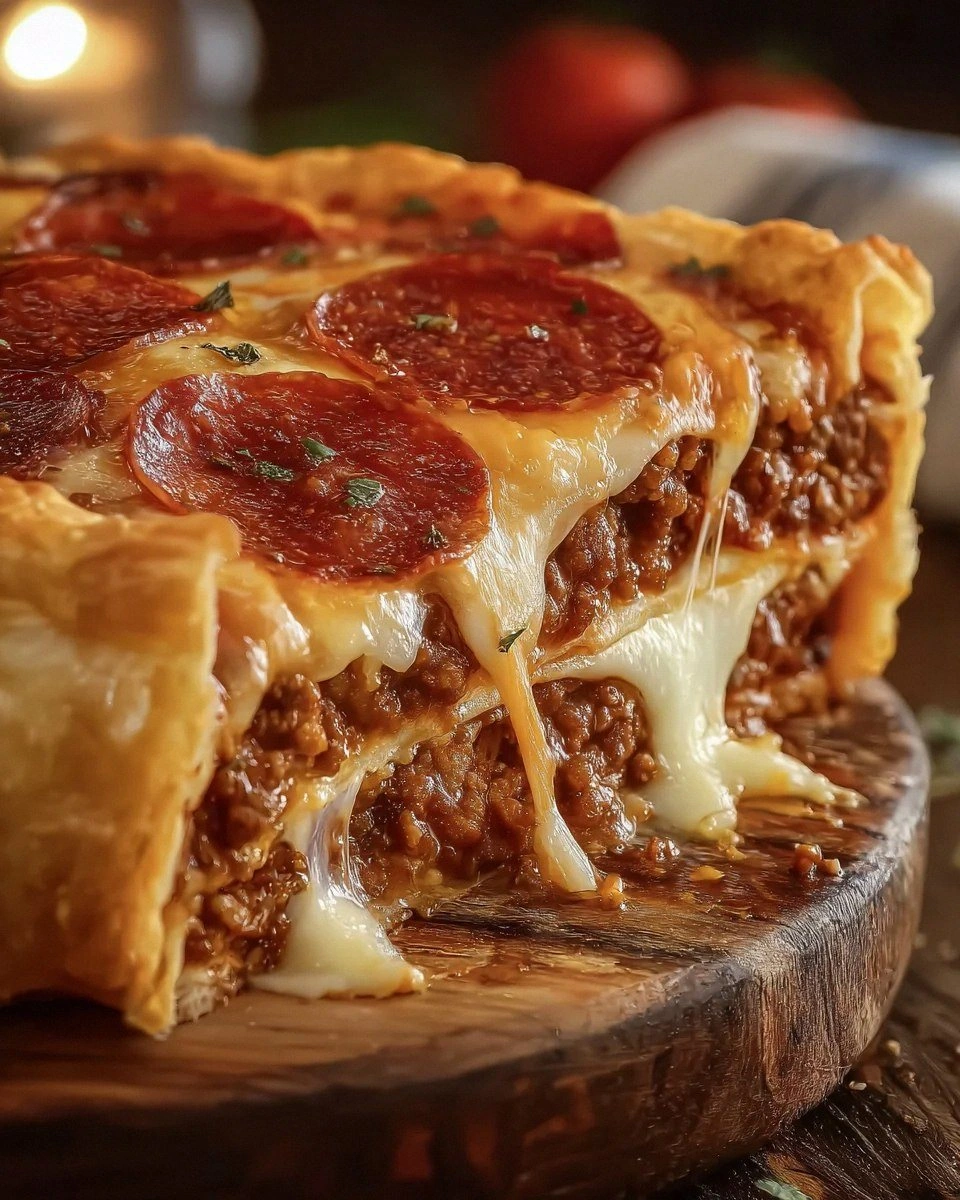
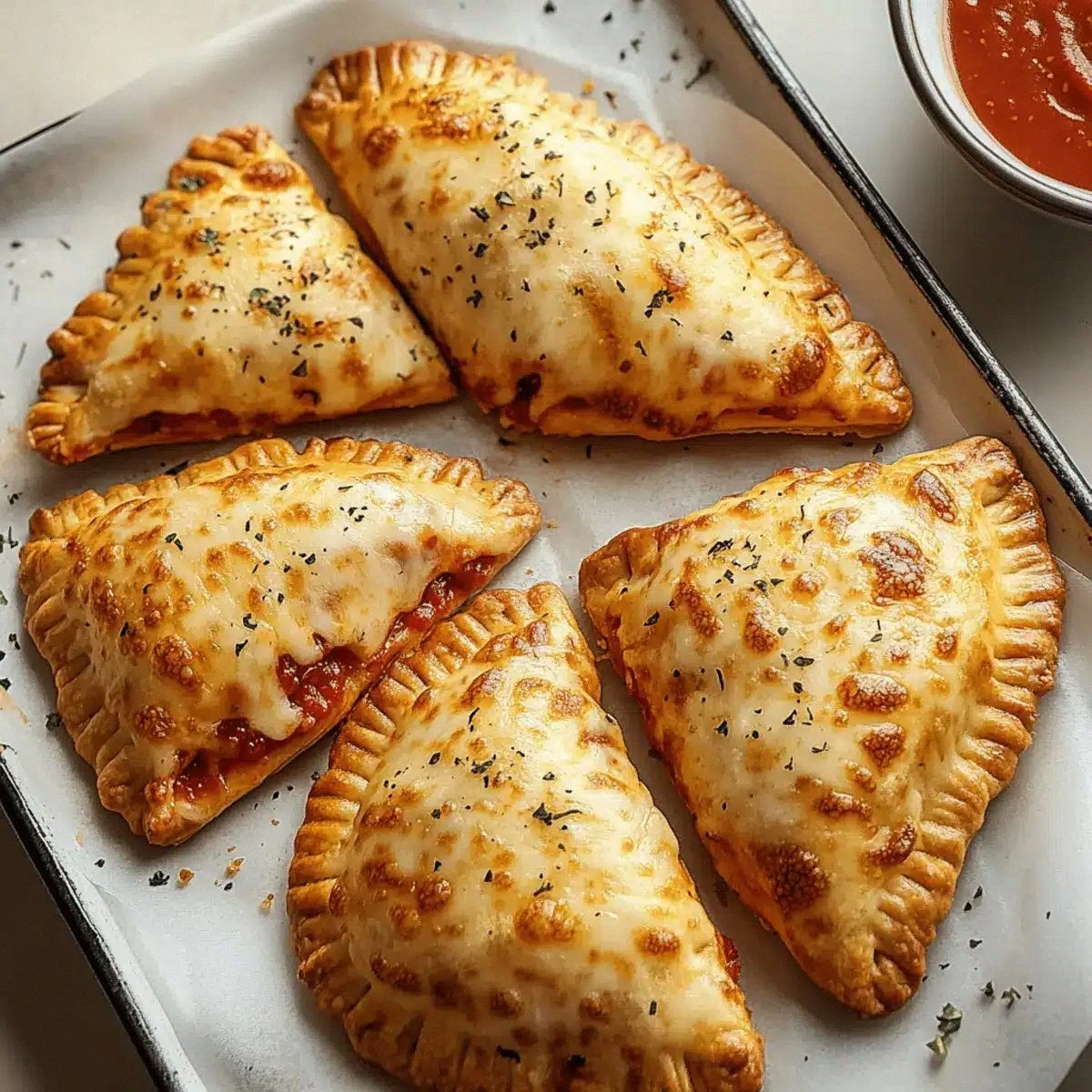
Picture this: a golden‑brown crust that cracks with a satisfying snap, a creamy, tangy Greek‑yogurt dough that whispers “you’re doing something right” with every chew, and a melty cheese‑and‑sauce center that bursts like a fireworks show in your mouth. The aroma alone—think of a pizzeria on a breezy Saturday night, the dough rising, the sauce simmering—fills the kitchen and makes the whole house feel like a cozy Italian trattoria. You can practically hear the sizzle as the pockets hit the hot pan, and the steam that escapes is like a warm hug for your senses.
Why does this version stand out from every other hot pocket you’ve ever tried? First, we’re swapping out the mystery‑meat, high‑sodium filler for low‑fat Greek yogurt, which adds a protein punch and a tender crumb without the heaviness. Second, the crust is built from a simple flour‑and‑baking‑powder mix, but the secret lies in the technique: a quick resting period that lets the gluten relax, giving you a pocket that’s airy on the inside and crisp on the outside. Most recipes get this completely wrong, either over‑mixing the dough or skimping on the flavor base. Here, we strike the perfect balance.
And there’s a little twist you won’t see coming: a dash of Italian seasoning and garlic powder folded into the dough, turning each bite into a fragrant, herb‑kissed experience. I’ll be honest—I ate half the batch before anyone else got to try it, and that’s a confession I’m not ashamed of. I dare you to taste this and not go back for seconds. Let me walk you through every single step — by the end, you’ll wonder how you ever made it any other way.
What Makes This Version Stand Out
- Protein Power: The low‑fat Greek yogurt not only boosts the protein content but also creates a tender crumb that’s impossible to achieve with regular milk or water.
- Texture Triumph: A light, airy interior contrasted with a crisp, golden exterior that shatters like thin ice when you bite into it.
- Simplicity: Only eight pantry staples are needed, and the method uses a single bowl, so cleanup is a breeze.
- Flavor Fusion: Italian seasoning and garlic powder are folded into the dough, giving each pocket an aromatic lift that most store‑bought versions lack.
- Crowd‑Pleaser: Kids love the handheld shape, while adults appreciate the protein boost and the fact it’s low‑fat.
- Make‑Ahead Magic: These pockets freeze beautifully, letting you pull a snack from the freezer in minutes.
- Health‑First: With only 350 calories per serving, you get the indulgence without the guilt.
- Versatility: The base is a canvas for endless toppings—think veggies, lean meats, or even a spicy kick.
Inside the Ingredient List
The Flavor Base
Low‑fat Greek yogurt is the hero of this recipe. Its thick, creamy texture replaces traditional milk, adding a subtle tang that brightens the overall flavor profile. If you skip it, you’ll lose that protein boost and the dough will become dry and dense. A good swap is plain low‑fat cottage cheese blended until smooth, but you’ll miss some of that characteristic yogurt tang.
Fun Fact: Greek yogurt is strained three times more than regular yogurt, which concentrates its protein and reduces its sugar content, making it a perfect low‑calorie binder.
The Texture Crew
All‑purpose flour provides the structure, while baking powder is the leavening agent that gives the pockets their airy lift. The combination of these two creates a dough that’s sturdy enough to hold the sauce but still light as a cloud. If you use whole‑wheat flour, expect a nuttier flavor but a slightly heavier bite; just add an extra ½ tsp of baking powder to compensate.
The Unexpected Star
Italian seasoning and garlic powder are the surprise guests that turn a plain snack into a Mediterranean fiesta. The herbs infuse the dough with a fragrant aroma that makes the whole kitchen feel like a trattoria. If you’re allergic to garlic, swap it for onion powder; the flavor shift is subtle but still delightful.
The Final Flourish
Pizza sauce and low‑fat cheese are the classic duo that bring the “pizza” part of the name to life. Choose a sauce with no added sugars to keep the snack healthy, and opt for a low‑fat mozzarella blend that melts beautifully without excess grease. Skipping the cheese means you lose that gooey pull‑apart factor, so if you’re dairy‑free, try a vegan mozzarella alternative that melts well.
Everything's prepped? Good. Let's get into the real action...
The Method — Step by Step
In a large mixing bowl, whisk together the all‑purpose flour, baking powder, Italian seasoning, garlic powder, and salt. The dry ingredients should look like a speckled snowstorm—each speck of seasoning floating in a sea of flour. This is the foundation, so make sure every corner of the bowl gets a good stir. Power transition: Okay, ready for the game‑changer?
Create a well in the center and pour in the low‑fat Greek yogurt. Using a sturdy wooden spoon, fold the yogurt into the dry mixture, moving in a circular motion. You’ll notice the dough coming together in shaggy clumps—don’t worry, that’s exactly what you want.
Kitchen Hack: If the dough feels too dry, add a splash of water—just a tablespoon at a time.Turn the dough onto a lightly floured surface and knead gently for about 30 seconds. This brief knead aligns the gluten strands without over‑working them. The dough should feel soft, slightly tacky, and a little elastic—like a well‑trained puppy ready to play. That sizzle when it hits the pan? Absolute perfection.
Divide the dough into eight equal pieces and roll each into a ball. Using a rolling pin, flatten each ball into a 4‑inch circle. The edges should be a tad thinner than the center, giving you a natural “lip” that will hold the sauce without leaking.
Watch Out: If you roll the dough too thin, it may tear when you add the filling.Spoon a generous tablespoon of pizza sauce onto the center of each dough circle, spreading it out to within a half‑inch of the edge. Then sprinkle a handful of low‑fat cheese over the sauce, allowing it to melt into a gooey blanket. This is the moment of truth—the cheese should cover the sauce like a velvety blanket, not spill over the edges.
Fold the dough over the filling, creating a half‑moon shape, and press the edges together with a fork to seal. You’ll hear a faint “click” as the crust locks, ensuring none of that delicious sauce escapes during baking. This next part? Pure magic.
Place the sealed pockets on a parchment‑lined baking sheet, leaving a small gap between each. Lightly spray the tops with cooking spray or brush with a tiny drizzle of olive oil. This will give the crust a golden, glossy finish that looks like it just walked out of a pizzeria.
Bake in a preheated oven at 400°F (200°C) for 15‑18 minutes, or until the edges turn a deep, caramelized gold and the cheese bubbles triumphantly. Halfway through, rotate the sheet for even browning. The kitchen will fill with an aroma that makes you want to hug the oven door.
Remove the pockets and let them rest for 3‑4 minutes. This short pause lets the cheese set slightly, so the pockets won’t ooze everywhere when you bite into them. And now the fun part. Serve warm, and watch the smiles appear.
Insider Tricks for Flawless Results
The Temperature Rule Nobody Follows
Never bake these pockets at a temperature lower than 400°F. Lower heat will cause the dough to dry out before the cheese melts, leaving you with a rubbery crust. I once tried 350°F on a whim, and the result was a sad, soggy mess. The high heat creates a rapid rise, sealing the edges quickly and trapping steam inside for that perfect puff.
Why Your Nose Knows Best
Your sense of smell is the most reliable indicator that the pockets are done. When the kitchen fills with a toasty, buttery scent and you can detect a faint caramel note, you’re at the finish line. Trust that nose over the timer; ovens can vary by a few minutes.
The 5‑Minute Rest That Changes Everything
After baking, let the pockets sit for exactly five minutes. This short rest allows the interior steam to redistribute, giving you a tender crumb and preventing the sauce from spilling out. A friend once skipped this step and ended up with a saucy floor—let’s just say it didn’t end well.
The Flip‑And‑Seal Technique
When sealing the pockets, press the edges with a fork in a criss‑cross pattern. This not only ensures a tight seal but also creates a decorative edge that looks professional. It’s a tiny detail that makes the difference between “home‑cooked” and “restaurant‑grade.”
The Secret Sauce Boost
Add a pinch of smoked paprika to the pizza sauce before spreading it. This tiny addition adds depth, a subtle smoky undertone that elevates the whole snack. I discovered this by accident when a leftover spice jar fell into the sauce, and the flavor was instantly transformed.
Creative Twists and Variations
This recipe is a playground. Here are some of my favorite ways to switch things up:
Spicy Jalapeño Kick
Add finely diced jalapeños to the pizza sauce and sprinkle a pinch of red‑pepper flakes into the dough. The heat pairs beautifully with the cool yogurt, creating a balanced fire‑and‑ice sensation.
Mediterranean Delight
Swap the regular pizza sauce for a sun‑dried tomato spread, and fold in crumbled feta and chopped olives into the cheese mixture. The briny notes give the pockets a sophisticated, island‑vibe.
BBQ Chicken Remix
Mix shredded cooked chicken with a tablespoon of low‑sugar BBQ sauce, then use that as the filling instead of pizza sauce. Top with a blend of cheddar and mozzarella for a smoky, tangy bite.
Veggie Powerhouse
Incorporate finely grated zucchini, carrots, and spinach into the dough. The veggies add moisture and extra nutrients, and the pockets become a hidden veggie treasure.
Breakfast Version
Replace the pizza sauce with a thin layer of scrambled eggs, add a slice of lean ham, and top with a sprinkle of cheddar. You’ve just turned a snack into a protein‑packed breakfast bite.
Storing and Bringing It Back to Life
Fridge Storage
Place cooled pockets in an airtight container lined with parchment paper. They’ll stay fresh for up to three days. When you’re ready to eat, reheat in a preheated oven at 350°F for 8‑10 minutes, or microwave for 45 seconds.
Freezer Friendly
Arrange the baked (but not yet cooled) pockets on a baking sheet and freeze until solid, then transfer to a zip‑top freezer bag. They keep for up to two months. To reheat, bake straight from frozen at 400°F for 12‑15 minutes, adding a splash of water to the tray to create steam and revive the crust.
Best Reheating Method
For ultimate crispness, use a toaster oven or a cast‑iron skillet over medium heat. Add a tiny splash of water to the pan and cover for 2 minutes; the steam revives the interior while the uncovered last minute restores the crunch.