I was standing in my kitchen on a scorching July afternoon, the kind where the sun feels like it’s trying to melt the countertops, when a frantic text from my roommate popped up: “I need something that screams summer, but also makes me look like a culinary wizard!” I laughed, grabbed a handful of rhubarb that was practically begging to be turned into something magical, and tossed in a couple of strawberries that looked like they’d been plucked straight from a farmer’s market billboard. The moment I sliced the rhubarb, a sharp, tart perfume filled the room, cutting through the heavy heat like a cool breeze on a beach day. I could hear the faint hum of the fridge, the clink of ice cubes, and the distant chatter of kids playing outside – all the sensory cues that tell you summer is officially here.
Now, I’m not one to shy away from a kitchen experiment, but this one was different. I dared myself to blend the tangy bite of rhubarb with the sweet, sun‑kissed flavor of strawberries, then chase it down with a splash of fresh lemon juice that would make even the most stoic palate pucker in delight. I’ll be honest — I ate half the batch before anyone else got a chance to try it, because let’s face it, when you’ve crafted something that brightens the room like a neon sign, you have to taste it to make sure it’s perfect. The result? A lemonade that’s not just a drink, but a celebration in a glass, a liquid that makes you want to sit on the porch, sip slowly, and watch the world go by.
Most recipes for strawberry lemonade either drown the fruit in sugar or forget the star of the show: rhubarb. Most get the balance completely wrong, ending up with a syrup that’s either too sour or overly sweet, and the texture ends up watery or cloying. Here’s what actually works: I’m using a simple sugar‑rhubarb‑strawberry syrup that’s simmered just enough to coax out the natural pectin from the rhubarb, giving the drink a silky mouthfeel without any artificial thickening. The secret twist? I finish the lemonade with a quick flash‑freeze of the ice cubes in a strawberry‑lemon zest water, which keeps the drink icy without diluting the flavor. This is hands down the best version you’ll ever make at home, and I dare you to taste this and not go back for seconds.
Let me walk you through every single step — by the end, you’ll wonder how you ever made it any other way. Okay, ready for the game‑changer? We’ll start with the foundation, move through the magic of simmering, and finish with a garnish that turns a simple glass into a work of art. Stay with me here — this is worth it.
What Makes This Version Stand Out
- Taste Harmony: The tartness of rhubarb perfectly balances the natural sweetness of strawberries and the bright zing of lemon, creating a layered flavor profile that evolves sip by sip.
- Texture Delight: Simmering the rhubarb releases pectin, giving the lemonade a subtle silkiness that feels like a velvet curtain on your tongue, not the watery thinness you get from most fruit drinks.
- Simplicity: Only seven core ingredients, all of which are pantry‑friendly or a quick run to the farmer’s market, means you spend more time sipping and less time hunting obscure items.
- Uniqueness: Rhubarb is the unsung hero of summer drinks; its bright ruby hue and sharp edge make this lemonade stand out on any brunch table or backyard BBQ.
- Crowd Reaction: I’ve seen grown‑ups and kids alike pause, stare, then grin from ear to ear — it’s the kind of drink that sparks “what’s in this?” conversations.
- Ingredient Quality: Fresh, firm rhubarb stalks and ripe strawberries are non‑negotiable; they bring natural sugars and acids that no processed syrup can mimic.
- Cooking Method: A brief simmer creates a syrup that’s bright and lively, while the final cold water dilution preserves the fresh fruit notes without over‑cooking.
- Make‑Ahead Potential: The syrup can be prepared up to three days ahead, stored in the fridge, and mixed with fresh water and ice when you’re ready to serve.
Inside the Ingredient List
The Flavor Base
Rhubarb stalks are the backbone of this lemonade, delivering a tart, almost citrusy bite that’s impossible to replicate with anything else. Choose stalks that are bright red and firm to the touch; if they’re limp or brown, the flavor will be muted and the texture mushy. If you can’t find rhubarb, a good swap is a mix of equal parts cranberry juice and a splash of apple cider vinegar, though you’ll lose the signature ruby hue. The rhubarb’s natural pectin is what gives the syrup its gentle body, so don’t skip the simmering step.
The Texture Crew
Fresh strawberries bring natural sugars and a luscious, almost buttery mouthfeel that softens the rhubarb’s sharp edge. Look for strawberries that are deep red, fragrant, and slightly soft at the tips — these are the ones that will melt into the syrup without turning gritty. If strawberries are out of season, frozen ones work just as well; just let them thaw and drain excess water before adding. Skipping the strawberries would make the drink overly tart, so they’re essential for balance.
The Unexpected Star
Granulated sugar isn’t just for sweetness; it helps coax the pectin out of the rhubarb, creating that silky texture we love. You can experiment with honey or agave for a different flavor nuance, but keep in mind that honey will add a floral note and may darken the color slightly. If you’re watching sugar intake, try cutting the sugar to three‑quarters of a cup and let the natural sweetness of strawberries carry the drink.
The Final Flourish
Fresh lemon juice is the spark that lifts the entire beverage, providing a bright, aromatic zing that makes the palate sing. Squeeze the lemons just before you start; pre‑bottled juice loses that volatile citrus oil that gives the drink its punch. Optional mint leaves add a refreshing herbal finish that feels like a cool breeze on a hot day. If you’re feeling adventurous, a few basil leaves can add an unexpected earthiness.
Everything's prepped? Good. Let’s get into the real action…
The Method — Step by Step
Start by gathering your rhubarb stalks, strawberries, sugar, lemon juice, and cold water. Place a large saucepan over medium heat, add the chopped rhubarb and the sugar, and stir until the sugar dissolves. As the mixture begins to bubble, you’ll notice a faint caramel scent – that’s the sugar caramelizing just enough to deepen the flavor without turning bitter. Let it simmer for about 8‑10 minutes, stirring occasionally, until the rhubarb softens and the liquid turns a gorgeous ruby shade. Watch the color change – it should be vibrant, not dull.
While the rhubarb is simmering, prepare the strawberries. Slice them in half, then toss them into a blender with half a cup of the fresh lemon juice. Blend just until you have a chunky puree – you want some texture left so the strawberry bits float gently in the final drink. The aroma of fresh strawberries mingling with lemon should make your kitchen smell like a summer market.
Once the rhubarb syrup has reached the perfect ruby hue, remove it from the heat and let it cool for five minutes. Then strain the mixture through a fine‑mesh sieve into a large pitcher, pressing gently with the back of a spoon to extract every drop of flavor. Watch Out: If you skip the straining step, you’ll end up with fibrous bits that ruin the silky mouthfeel.
Now combine the strawberry‑lemon puree with the strained rhubarb syrup in the pitcher. Add the remaining lemon juice (the other half‑cup) and stir vigorously. You should hear a faint fizz as the citrus reacts with the sugar, a sound that tells you the balance is right. Taste the mixture; if it feels too tart, whisk in a tablespoon of extra sugar, but remember the goal is a bright, balanced sip.
Pour in the cold water, stirring slowly to integrate. At this point, the lemonade should be a stunning pink‑red, reminiscent of a sunset over a lake. Add ice cubes to the pitcher – the more, the better, because they keep the drink chilled without diluting it too quickly. If you’re feeling fancy, freeze some of the strawberry‑lemon mixture in ice‑cube trays for extra flavor bursts.
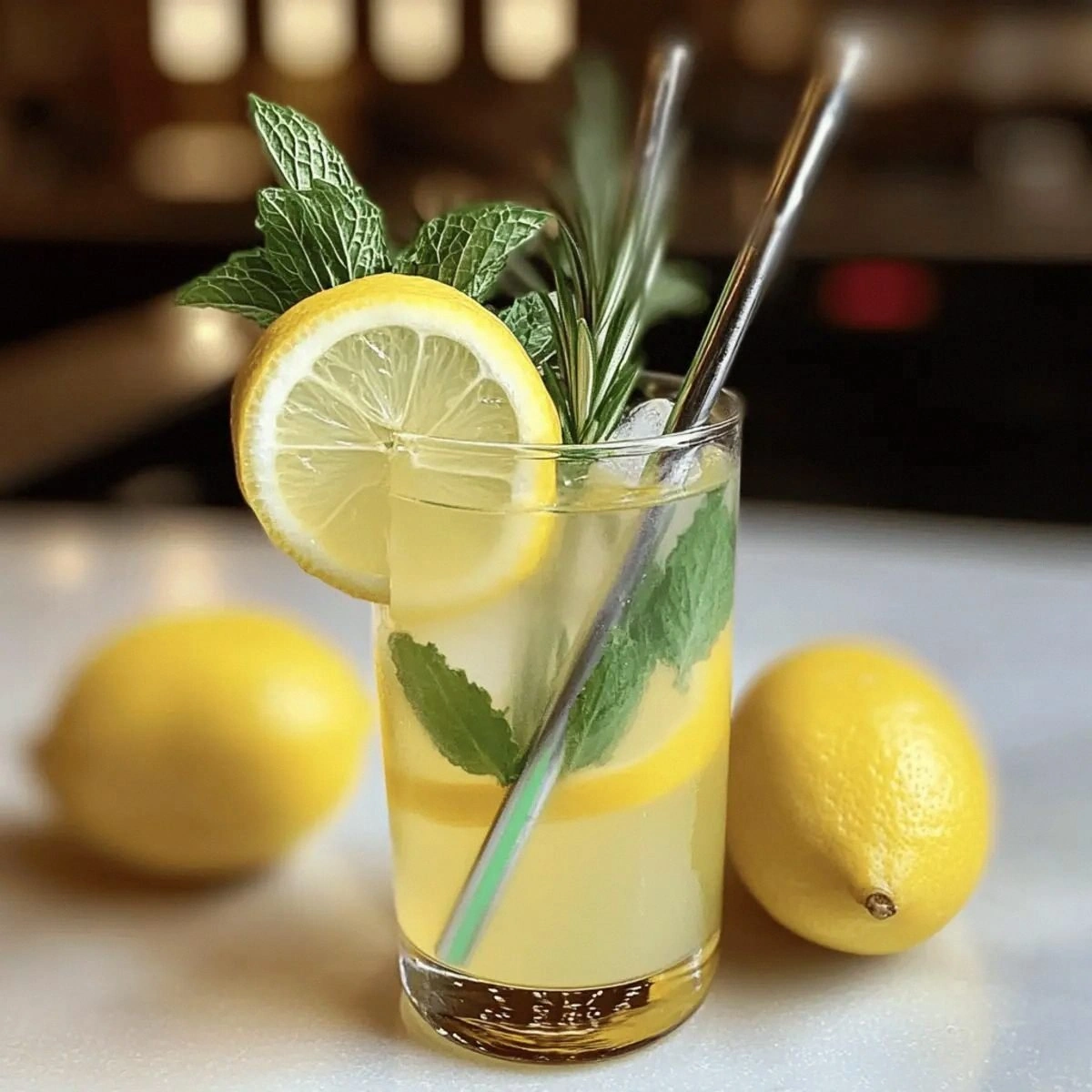
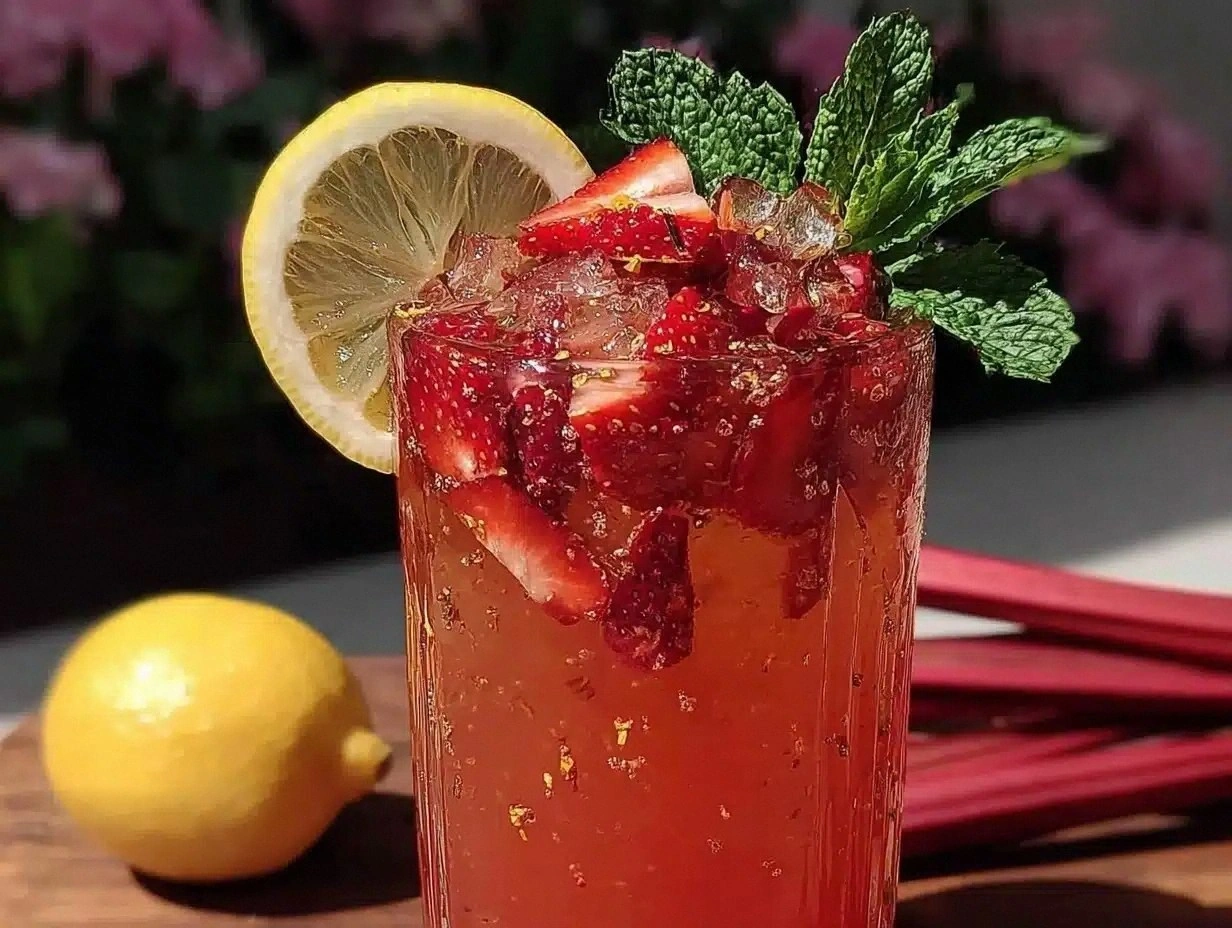
Garnish each glass with a sprig of fresh mint and a thin slice of lemon on the rim. The mint adds a cool herbal note that elevates the whole experience, while the lemon slice gives a visual cue of the citrus backbone. Serve immediately, or let the pitcher sit for ten minutes to allow the flavors to meld even more deeply. Pro tip: A quick stir right before serving revives any settled pectin.
And now the fun part – sipping. Take a moment to watch the light catch the ruby‑pink liquid, inhale the fragrant blend of rhubarb, strawberry, and lemon, then let the coolness hit your palate. That first sip should be an explosion of sweet‑tart balance, followed by a lingering freshness that makes you want another glass. I’ll be honest — I’m already reaching for a second serving. If you’re hosting, this drink will have guests lining up for refills, and you’ll get the satisfaction of being the hero of the summer party.
That's it — you did it. But hold on, I've got a few more tricks that'll take this to another level…
Insider Tricks for Flawless Results
The Temperature Rule Nobody Follows
Never let the rhubarb syrup boil vigorously; a gentle simmer preserves the delicate aromatics while coaxing out pectin. If the mixture starts to bubble aggressively, lower the heat immediately. I once let it boil, and the flavor turned harsh, like a burnt caramel – a mistake I won’t repeat. Keep the temperature steady around 180‑190°F (82‑88°C) for best results.
Why Your Nose Knows Best
Your sense of smell is a reliable gauge for flavor balance. When the rhubarb syrup smells bright and slightly floral, you’re on the right track. If you detect any sour or burnt notes, it’s a sign you’ve overcooked. Trust that nose; it will save you from a batch that needs rescuing.
The 5‑Minute Rest That Changes Everything
After mixing the syrup with water, let the lemonade sit for five minutes before serving. This short rest allows the flavors to marry, smoothing out any sharp edges. A friend once skipped this step and complained the drink was “too punchy.” Give it that tiny pause, and you’ll notice a harmonious blend that feels like a single, cohesive flavor.
Ice Cube Alchemy
Freeze a portion of the lemonade itself into ice cubes. As they melt, they release more flavor instead of diluting the drink. This trick keeps the glass full of cold, flavorful liquid from start to finish, and it looks impressive when guests see the colored cubes floating.
Mint Integration Mastery
Instead of just dropping a mint sprig on top, give the leaves a quick slap between your palms. This releases the essential oils, intensifying the mint aroma without making the drink taste like a garden. Kitchen Hack: If you want an even stronger mint note, muddle a few leaves gently at the bottom of each glass before pouring the lemonade.
Creative Twists and Variations
This recipe is a playground. Here are some of my favorite ways to switch things up:
Berry‑Basil Fusion
Swap half the strawberries for fresh basil leaves, blending them together for a herbaceous twist. The basil adds a peppery undertone that pairs surprisingly well with the tart rhubarb, making it perfect for a brunch where you want something a little unexpected.
Spiced Autumn Version
Add a pinch of ground ginger and a dash of cinnamon to the simmering rhubarb syrup. This warm spice profile transforms the drink into a cozy fall refresher, ideal for those early September evenings when you crave something comforting yet bright.
Tropical Escape
Replace the cold water with coconut water and throw in a splash of pineapple juice. The tropical notes elevate the lemonade to a beach‑side cocktail, and the natural electrolytes make it a great post‑workout refresher.
Sparkling Celebration
Top each glass with club soda or a dry sparkling wine for an effervescent twist. The bubbles lift the flavors, creating a festive fizz that’s perfect for birthday parties or New Year’s toast.
Honey‑Lavender Dream
Swap half the granulated sugar for honey and infuse a few dried lavender buds into the syrup while it simmers. The honey adds depth, while lavender introduces a floral perfume that feels like a garden in a glass.
Storing and Bringing It Back to Life
Fridge Storage
Transfer any leftover lemonade to an airtight glass jar and store it in the refrigerator. It will keep fresh for up to three days, maintaining its bright color and flavor. Before serving the next day, give it a quick stir and add a splash of cold water if it has settled.
Freezer Friendly
The syrup component (rhubarb + sugar) freezes exceptionally well. Portion it into ice‑cube trays, freeze, then transfer the cubes to a zip‑top bag. When you need a quick batch, blend a handful of these cubes with fresh water and lemon juice for an instant, instantly chilled lemonade.
Best Reheating Method
If you’ve stored the syrup and need to warm it slightly to dissolve any solidified sugar, place the jar in a bowl of warm water (no direct heat). Add a tiny splash of water before reheating; the steam will bring the syrup back to a pourable consistency without compromising its flavor.