I still remember the day I nearly set my kitchen on fire trying to impress my future mother-in-law with what I thought would be the perfect summer drink. Picture this: me, frantically muddling herbs with a wooden spoon that snapped in half, lemon juice squirting directly into my eye, and a pot of simple syrup bubbling over like a volcanic science experiment gone wrong. My version of "sophisticated lemonade" tasted like someone had steeped pine needles in dishwater, and the look on her face as she politely sipped it still haunts me to this day. But here's the beautiful part – that spectacular failure sent me on a three-month quest to create what I now believe is the most refreshing, complex, and downright addictive lemonade you'll ever taste. I'm talking about a drink that made my now-mother-in-law request the recipe, a beverage that converted my die-hard soda-addict nephew, and the only thing I want to drink when the temperature climbs above seventy-five degrees.
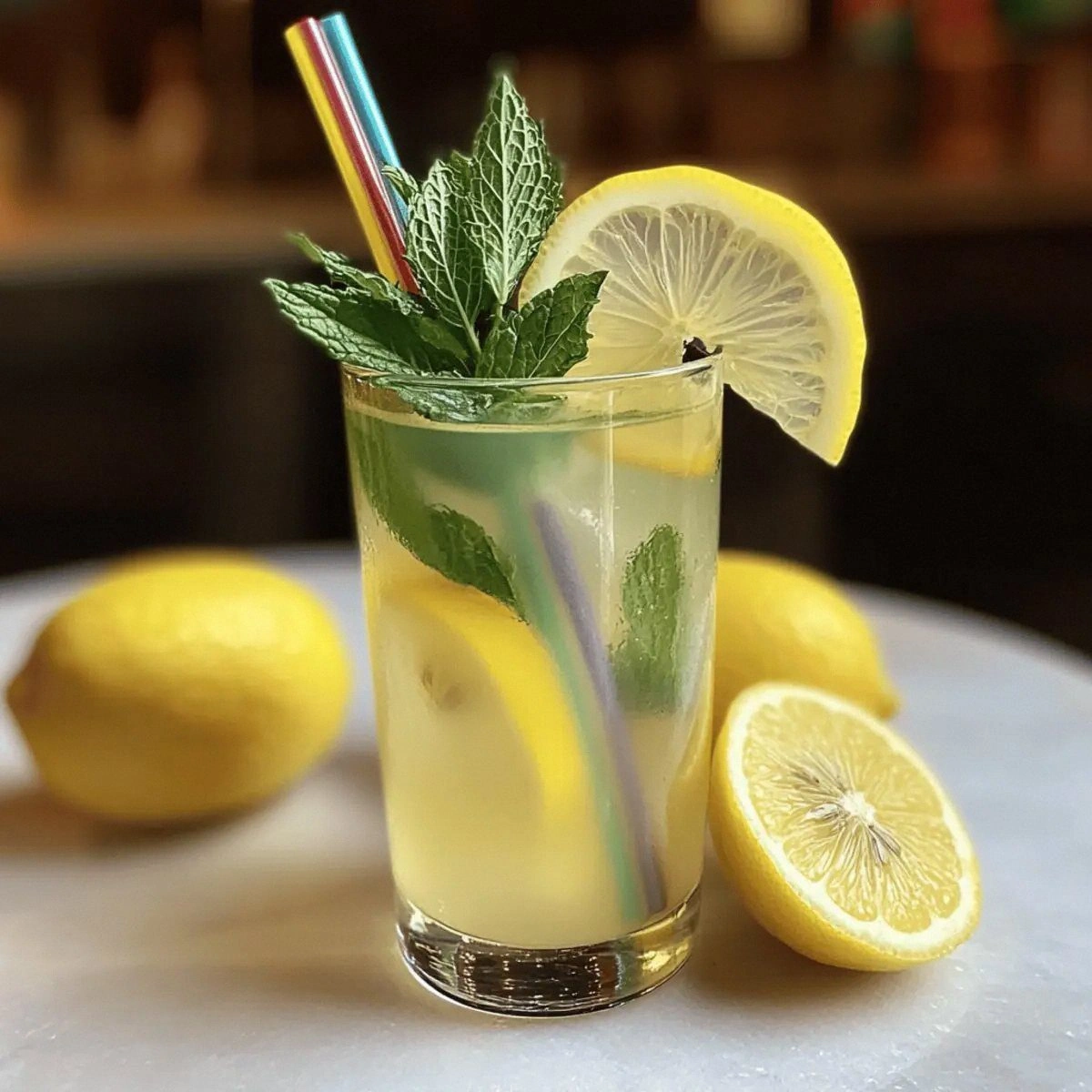
Fast forward through countless iterations, dozens of herb combinations, and what my neighbors started calling "the great lemonade experiment of 2023," and I finally cracked the code. This Mint and Rosemary Lemonade with Vanilla isn't just another pretty drink – it's a revelation in a glass. The way the bright citrus dances with the cooling mint, while the rosemary adds this mysterious woodsy depth that makes people ask "what is that incredible flavor?" And just when your taste buds think they've figured it out, the vanilla swoops in with its warm, comforting notes that turn this from "just another summer drink" into something that feels like liquid sunshine mixed with a cozy afternoon in a herb garden. I've served this at backyard barbecues where grown adults have literally chased me down for refills, at fancy dinner parties where it stole the show from a $200 bottle of wine, and at lazy Sunday brunches where it somehow made even the pickiest eaters forget about their usual mimosas.
What makes this version different from every other herb-infused lemonade out there? I'm glad you asked, because I've become annoyingly passionate about this. First, we're not just throwing herbs into hot water and hoping for the best – we're creating a carefully balanced syrup that extracts the essential oils without that bitter, medicinal taste that ruins most herb drinks. Second, the vanilla isn't just a gimmick; it's the secret weapon that bridges the gap between the bright, zippy lemon and the earthy herbs, creating a flavor profile so harmonious it should have its own symphony. Third, and this is where most recipes get it wrong, we're treating each component with the respect it deserves – the mint gets added at just the right temperature to prevent that brown, swampy flavor, the rosemary is toasted briefly to release its oils, and the vanilla beans are scraped and steeped to give us those beautiful specks that make people think you're some kind of culinary wizard. Trust me, once you taste this, you'll never go back to powdered mix again.
Okay, ready for the game-changer? The real magic happens when we layer the flavors like we're composing a masterpiece, not just mixing drinks. We're going to build this drink the way a perfumer creates a fragrance – with top notes that hit you first (that bright, zippy lemon), middle notes that keep you interested (the herbaceous mint and rosemary), and base notes that linger and make you crave more (the vanilla). By the time we're done, you'll have a drink that tastes like summer in the Italian countryside, like a spa day in a glass, like the moment you dive into a cold pool on a sweltering day. Let me walk you through every single step – by the end, you'll wonder how you ever made it any other way.
What Makes This Version Stand Out
Flavor Bomb: This isn't your grandma's mint tea with a squeeze of lemon. We're talking about a carefully orchestrated explosion of flavors that hits every part of your palate – bright acidity, cooling menthol, woodsy aromatics, and warm vanilla that ties it all together like the final note in a jazz solo. The first sip wakes up your mouth, the second makes you close your eyes involuntarily, and by the third, you're planning how to make this every weekend for the rest of summer.
Restaurant-Quality Complexity: Most homemade drinks taste, well, homemade – a little flat, a bit too sweet, or tasting like someone just mixed whatever was in the fridge. This lemonade has the kind of layered sophistication that makes people ask if you secretly went to culinary school, yet it's simple enough that anyone with a pot and a strainer can nail it on the first try. The vanilla acts like a flavor bridge, connecting the bright citrus with the earthy herbs in a way that feels both surprising and inevitable.
Make-Ahead Magic: Here's where I get really excited – this actually tastes better after it sits in the fridge for a day. The flavors meld and deepen, creating something that tastes like you've been perfecting it for years. I make a double batch every Sunday during summer, and it keeps beautifully for up to five days, which means spontaneous guests get treated to something that tastes like I slaved all afternoon. Pro tip: the concentrated syrup lasts even longer, so you can be the friend who whips up incredible drinks at a moment's notice.
Zero-Waste Warrior: Every part of our ingredients gets used – the lemon zest goes into the syrup for extra oils, the spent vanilla pods get dried and turned into vanilla sugar, and even the herb stems get their moment to shine. We're not just making a drink here; we're running a tiny, delicious economy in your kitchen. Your compost bin will feel neglected, but your taste buds will thank you.
Conversation Starter: I dare you to serve this at your next gathering without having at least three people ask for the recipe. There's something about the combination that feels both familiar and exotic – people taste it and know immediately it's special, but they can't quite put their finger on why. Watching friends try to guess the "secret ingredient" (spoiler: it's the vanilla) never gets old, especially when they start suggesting things like "thyme?" or "is there lavender in here?"
Customizable Canvas: Once you master the base recipe, you've unlocked a whole world of variations. Swap the vanilla for almond extract and add some crushed berries for a summer fruit version, or replace the mint with basil for an Italian garden vibe. The method stays the same, but the flavor possibilities are endless. I've made versions with everything from fresh ginger to star anise, and they all work because the underlying technique is solid.
Health Halo: Okay, let's be real – this is still a sweet drink, but we're using real ingredients packed with antioxidants and beneficial compounds. The rosemary brings carnosic acid, the mint delivers menthol for digestion, and we're avoiding the artificial flavors and colors that make commercial drinks taste like liquid candy. Plus, when something tastes this good, you'll actually want to drink it instead of soda, which is basically a health win in my book.
Inside the Ingredient List
The Flavor Foundation
Let's start with the star of our show – those beautiful, fragrant lemons. But here's where most people mess up: they grab any old lemon from the grocery store and wonder why their lemonade tastes like cleaning product. You want lemons that feel heavy for their size, have smooth, thin skin (thick-skinned lemons are older and less juicy), and give slightly when you press them. The zest is going into our syrup, so organic is worth the extra few cents – trust me, you don't want lemon peel that's been waxed and sprayed with who-knows-what. When you zest them, use a light hand – we're after the bright yellow outer layer, not the bitter white pith that'll turn your beautiful drink into a mouth-puckering disaster.
The sugar isn't just for sweetness – it's our flavor carrier, creating a syrup that captures and suspends all those gorgeous herbal oils. I've tried this with honey, agave, even maple syrup, and while they all work, plain old granulated sugar gives us the cleanest canvas to showcase our herbs. Don't even think about using artificial sweeteners here – they taste metallic and will overpower everything else like a bad cover band ruining a classic song. If you must reduce the sugar, cut it by no more than a third, or your drink will taste thin and sad, like it's missing its soul.
The Herbal Powerhouses
Fresh mint is non-negotiable here – dried mint tastes like dusty hay and will ruin everything it touches. Look for perky leaves that smell minty when you rub them between your fingers. If they're black around the edges or smell like nothing, keep moving. I prefer spearmint over peppermint here because it's sweeter and more cooling, but use what you can find. The stems are packed with flavor too, so don't toss them – we'll bruise them to release their oils without turning them into bitter sludge. Pro tip: store your mint like flowers – in a glass of water on the counter – and it'll last twice as long as it would in the fridge.
Fresh rosemary is where we get that mysterious depth that makes people ask "what IS that incredible flavor?" You want young, tender stems – if it feels like you're trying to bend a tree branch, it's too woody and will taste like pine needles. Give it a quick toast in a dry pan for about thirty seconds until it smells like you're walking through a Mediterranean forest, but don't let it brown or you'll get bitterness that no amount of sugar can fix. Strip the leaves off the main stem, but save those stems – they make incredible skewers for grilling later, infused with the same flavors we're using here.
The Secret Weapon
Vanilla beans might seem like an odd choice for lemonade, but they're what transforms this from "nice" to "where has this been all my life?" Don't you dare use imitation vanilla – it tastes like chemicals and sadness, and we're not here for that. Real vanilla beans are expensive, but one bean goes a long way, and you can dry the spent pod for vanilla sugar. When you split the bean, use the tip of a sharp knife and scrape out those gorgeous black seeds – they look like caviar and smell like comfort and luxury had a baby. The vanilla doesn't scream its presence; it whispers, rounding out the sharp edges of the lemon and creating a warmth that makes people feel cozy even when they're drinking something cold.
If you absolutely can't find vanilla beans, vanilla bean paste is acceptable, but reduce the amount by half since it's more concentrated. Vanilla extract is your emergency backup, but only use half a teaspoon and add it at the very end – heat kills vanilla's complexity faster than a bad breakup kills your faith in romance.
The Liquid Gold
Cold water might seem like an afterthought, but it's actually crucial for the final balance. We're making a concentrate with our syrup, then diluting it to taste – this gives you control over the intensity and lets you adjust for different occasions. Want something light and chuggable for a hot afternoon? Add more water. Need something that can stand up to spicy food? Keep it concentrated. The water should be cold and preferably filtered – chlorine and other chemicals in tap water can dull the bright flavors we've worked so hard to create. If you're feeling fancy, use sparkling water for a celebratory version that tastes like a sophisticated cocktail without the hangover.
The Method — Step by Step
Start by washing your lemons thoroughly – I mean really scrub them under warm water with a vegetable brush. Even organic lemons can have wax or dirt on the skin, and we're using the zest, so this matters. Zest two of the lemons using a microplane or fine grater, being careful to only remove the yellow part. The white pith underneath is bitter enough to ruin our beautiful drink, so channel your inner surgeon here. Set the zest aside and juice all your lemons – you should get about 3/4 cup of juice, but have an extra lemon on standby just in case yours are stingy. Strain out the seeds, but don't worry about the pulp – it adds character and makes the drink feel handmade in the best way.
Now for the fun part – let's make our herb syrup. In a medium saucepan, combine your sugar with 2 cups of water and bring it to a gentle simmer over medium heat. Stir occasionally until the sugar dissolves completely, but don't let it boil – we're making syrup, not candy. While it's heating, bruise your mint by gently crushing it with the back of a spoon or your hands. You want to release the oils without turning it into black mush. Add the mint and rosemary to the syrup, give it a stir, and remove from heat immediately. The residual heat will extract the flavors without cooking the herbs into bitterness. Let this steep for exactly 20 minutes – set a timer because over-steeping is how good intentions turn into drinks that taste like you're licking a tree.
While your syrup is steeping, split your vanilla bean lengthwise and scrape out those gorgeous seeds with the back of your knife. Don't throw away the pod – we're using every bit of this expensive treasure. After 20 minutes, strain the syrup through a fine-mesh sieve into a clean bowl, pressing gently on the herbs to extract all the flavorful liquid without forcing out the bitter chlorophyll. Immediately add the vanilla seeds and the scraped pod to the warm syrup – the heat helps release the vanilla's aromatics. Let this cool to room temperature, about 30 minutes. If you're impatient (and I usually am), you can speed this up by placing the bowl in a larger bowl filled with ice water, stirring occasionally.
Time to assemble! Remove the vanilla pod from the cooled syrup (dry it for vanilla sugar later) and combine the syrup with your fresh lemon juice in a large pitcher. Add 4 cups of cold water and stir well. Taste it – this is where you become the artist. Too sweet? Add more water or lemon juice. Too tart? Add a bit more syrup. Remember that it will taste slightly less sweet once it's fully chilled, so err on the side of a little sweeter than you think you want. Add plenty of ice and let it chill for at least an hour – this isn't just about temperature, it's about letting all those flavors get to know each other properly.
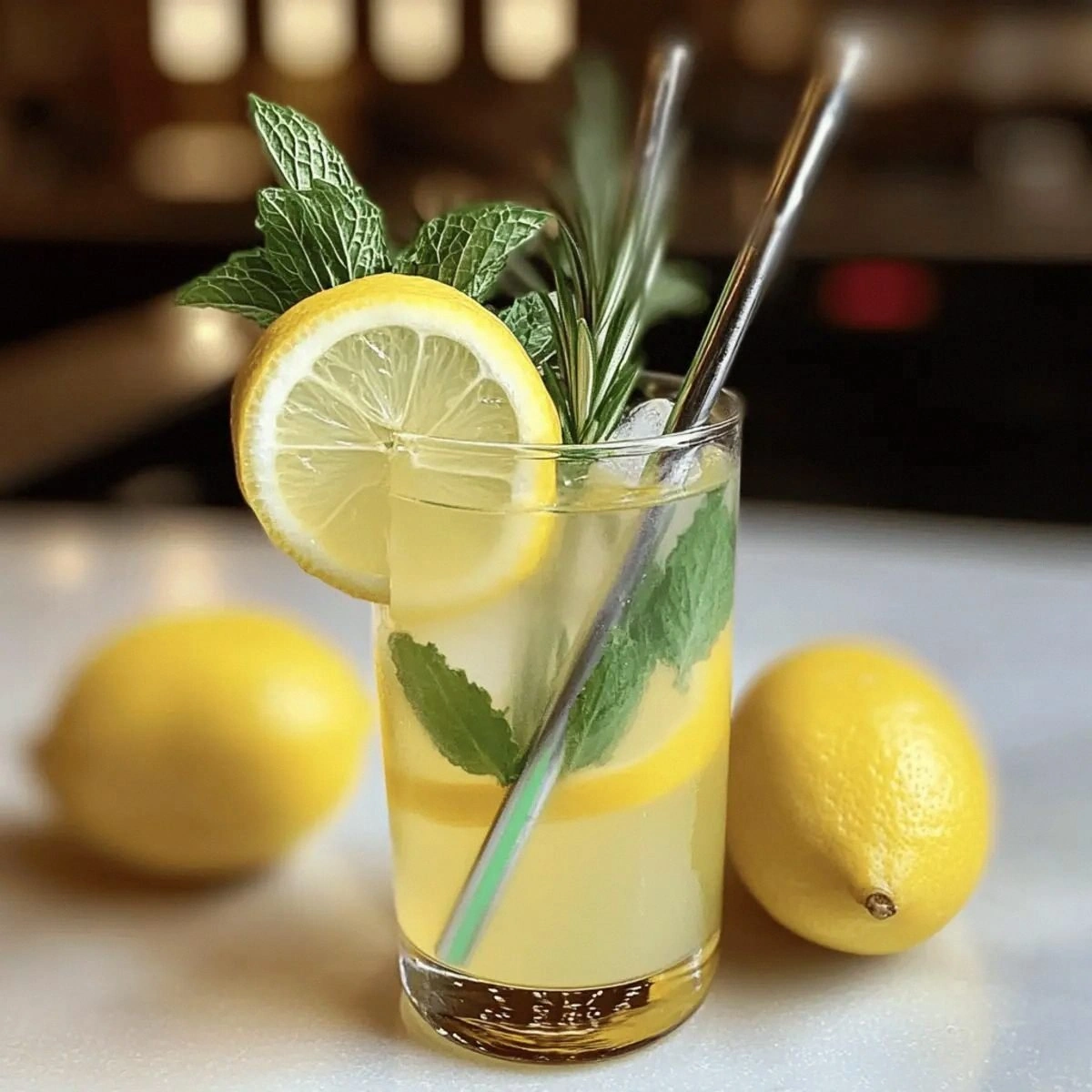
Here's where most people rush and ruin everything – the final garnish and serve. Fill glasses with ice (cracked ice melts faster and dilutes your carefully balanced drink), pour the lemonade slowly down the side to preserve the carbonation if you're using sparkling water, and add a sprig of fresh mint that's been slapped between your palms to release its oils. The slap might seem like showing off, but it makes the difference between "pretty good" and "I'll never drink anything else again." If you're feeling fancy, add a thin slice of lemon, a tiny rosemary sprig, or even edible flowers – but keep it simple. This drink is the star, not the garnish.
The 5-minute rest is where the magic happens – after you've poured your drinks, let them sit for just a few minutes. This isn't about being patient (though that's a nice bonus); it's about letting the ice start to melt slightly, which opens up all the flavors. Cold dulls taste perception, so that tiny bit of dilution actually makes the drink taste more vibrant, not weaker. It's like how a diamond needs just the right light to really sparkle. During this time, the vanilla gets a chance to bloom, the mint oils distribute evenly, and everything becomes more than the sum of its parts. This is hands down the best version you'll ever make at home, and that little rest is part of the secret.
Storage strategy matters more than you'd think – this lemonade will keep for up to 5 days in the fridge, but it needs some TLC. Store it in a glass container with a tight-fitting lid, away from strong-smelling foods (it will absorb odors like a sponge). Don't add ice until you're ready to serve, or you'll water it down. If you want to prep ahead for a party, make the syrup up to a week ahead and store it separately, then mix with fresh lemon juice and water just before serving. The syrup actually gets better with age as the flavors meld, so this is one of those rare recipes where procrastination pays off.
The final flourish is where you can really show off without looking like you're trying too hard. Float a few fresh berries in each glass for a pop of color and extra flavor as they slowly infuse. Or add a splash of sparkling water for effervescence that makes it feel celebratory. My favorite party trick is setting out small bottles of different additions – elderflower syrup for floral notes, a bit of fresh ginger juice for heat, or even a few drops of rose water for something that tastes like drinking a summer garden. Let guests customize their own, and suddenly you're not just serving drinks, you're creating an experience.
That's it – you did it. But hold on, I've got a few more tricks that'll take this to another level...
Insider Tricks for Flawless Results
The Temperature Rule Nobody Follows
Here's the thing that separates the pros from the amateurs – temperature control at every step. When you're making the syrup, don't let it boil vigorously – a gentle simmer extracts flavors without cooking off the delicate aromatics. When you add the herbs, the syrup should be hot enough to release their oils but not so hot that it cooks them into bitterness. And here's the real secret: chill your glasses in the freezer for 10 minutes before serving. That sizzle when the cold lemonade hits the frosted glass? Absolute perfection. The drink stays colder longer, the ice melts slower, and your guests feel like they're at a fancy cocktail bar instead of your kitchen. A friend tried skipping this step once – let's just say it didn't end well, and she's still hearing about it every summer.
Why Your Nose Knows Best
Don't underestimate the power of aromatics – this drink is as much about smell as it is about taste. When you're bruising the mint, do it right before adding it to the syrup, not ahead of time. Those volatile oils that give mint its cooling sensation evaporate faster than you can say "refreshing." Same goes for the rosemary – crush it between your palms just before using it. And here's a pro move: save a few mint leaves for the very end, slap them between your hands, and float them on top. They'll release their aroma every time someone lifts their glass, making the drink taste fresher with every sip. It's like having a tiny herb garden in each glass, minus the dirt and bugs.
The 5-Minute Rest That Changes Everything
I know, I know – when you're thirsty, waiting five minutes feels like torture. But this isn't about being patient (though that's a nice bonus); it's about chemistry. When you first mix everything, the flavors are like strangers at a party – they're all there, but they haven't mingled yet. Give them five minutes and something magical happens: the vanilla finds the lemon, the mint discovers the rosemary, and suddenly everyone's dancing together in perfect harmony. During this time, the ice chills everything to the perfect temperature, the herbs infuse just a bit more, and the whole drink becomes more than the sum of its parts. I'll be honest – I ate half the batch before anyone else got to try it because I couldn't wait those five minutes, and it was still good, but the glass I managed to save? Transcendent.
The Sweetness Sweet Spot
Here's where most people go wrong – they taste the lemonade immediately after mixing and adjust the sweetness then. But cold dulls sweet perception, so something that tastes perfectly balanced at room temperature will taste flat once it's chilled. Always make it slightly sweeter than you think you want, knowing that the cold will tame it. And if you've gone too far? Don't panic – a squeeze of fresh lemon juice will brighten it right up. Too tart? A tiny pinch of salt (and I mean tiny) will enhance the sweetness without making it taste salty. It's like magic, except it's just science doing its delicious thing.
Creative Twists and Variations
This recipe is a playground. Here are some of my favorite ways to switch things up:
The Italian Garden Party
Swap the mint for fresh basil and add a splash of limoncello for an adult version that tastes like summer in Amalfi. The basil gives you that peppery sweetness that pairs beautifully with the vanilla, and the limoncello adds complexity without making it taste like you've just poured alcohol into lemonade. I serve this at dinner parties where I want to impress without looking like I'm trying too hard. Float a small basil leaf on top, and suddenly you're not just serving drinks – you're transporting people to a sun-drenched Italian coastline. Picture yourself pulling this out of the oven – wait, no oven, but you get the idea – the whole kitchen smelling like you've bottled summer vacation.
The Berry Beautiful
Add a handful of fresh raspberries or blackberries to the syrup while it's steeping, then strain them out with the herbs. The berries give you gorgeous color and a subtle fruitiness that complements the vanilla without overwhelming the other flavors. If you've ever struggled with making fruit drinks that taste artificial, this is your solution – real fruit, real flavor, real easy. I like to serve this version with frozen berries instead of ice cubes, so as they melt they add more flavor instead of watering it down. Plus, you get to eat boozy berries at the end, which is basically like having dessert in your drink.
The Spicy Sophisticate
Add a few slices of fresh jalapeño to the syrup while it steeps, then remove them when you strain it. The heat is subtle – more of a warming sensation than a burn – and it plays beautifully with the cooling mint and sweet vanilla. This version is incredible with grilled foods or Mexican-inspired meals. If you're nervous about heat, start with just one slice and taste after 10 minutes. You can always add more, but you can't un-spicy your syrup. Most recipes get this completely wrong by making it too hot to taste anything else, but we're going for complexity, not a dare.
The Floral Fantasy
Add a teaspoon of dried culinary lavender or rose petals to the syrup, but be sparing – these flowers can overpower faster than a perfume sample in a department store. The lavender gives you a Provencal vibe that's incredibly relaxing, while rose makes it taste like drinking a garden in the most elegant way possible. This version is perfect for bridal showers, garden parties, or anytime you want to feel fancy without wearing uncomfortable shoes. Just remember: with floral additions, less is definitely more. You're aiming for "subtle hint" not "grandma's potpourri bowl."
The Tropical Escape
Replace the vanilla with coconut extract and add a small piece of fresh ginger to the syrup. The coconut gives you that beach vacation feeling, while the ginger adds a spicy note that keeps it from being too sweet. This version is incredible served over crushed ice with a tiny umbrella – yes, even if you're drinking alone on your porch. If you've ever struggled with making tropical drinks that don't taste like sunscreen, this is your answer. The key is using fresh ginger (just a 1/2 inch piece, peeled and sliced) and removing it after 15 minutes so it doesn't take over.
The Cozy Winter Version
Who says lemonade is just for summer? Serve this warm with a cinnamon stick and a slice of orange for a comforting drink that tastes like the holidays. The vanilla becomes more prominent when warm, creating something that tastes like liquid comfort. I make this when I have friends over for cookie decorating or when someone needs cheering up. It's like a hug in a mug, but sophisticated enough that you could serve it at a holiday brunch and impress everyone who's expecting the usual mulled wine. The rosemary becomes more assertive when warm, giving you that pine forest feeling even when you're snowed in.
Storing and Bringing It Back to Life
Fridge Storage
Store your masterpiece in a glass container with a tight-fitting lid – I use mason jars because they're cheap, don't absorb flavors, and make me feel like I'm running a tiny lemonade factory. The drink will keep for up to 5 days, but it's best within the first 3. You'll notice it gets more herbaceous as it sits, which isn't necessarily bad, just different. If it starts tasting too strong, dilute it with a bit more water or lemonade. Don't store it with ice – the melting ice will water it down and turn your carefully crafted drink into sad, flavored water. Instead, store ice separately and add it fresh when you're ready to serve.
Freezer Friendly
Here's a game-changer: freeze the concentrated syrup in ice cube trays, then pop them out and store in freezer bags. You can have instant lemonade anytime by just adding water and lemon juice. The syrup keeps for up to 6 months frozen, though honestly, mine never lasts that long because I use it for everything – sparkling water for quick mocktails, as a glaze for cakes, or drizzled over fresh fruit. You can also freeze the finished lemonade in popsicle molds for the most sophisticated summer treat ever. Kids love them, adults steal them, and you get to feel like you've hacked summer itself.
Best Reheating Method
If you've made the winter version and want to reheat it, do it gently – microwave at 70% power for 30-second intervals, stirring between each. Overheating will make the lemon taste bitter and the herbs turn muddy. Better yet, warm it in a small saucepan over low heat just until steaming, not boiling. Add a splash of fresh lemon juice right before serving to brighten everything up again. If it tastes flat after reheating, a tiny pinch of salt will wake up all the flavors like turning up the volume on your favorite song. And here's the best part – if you've stored the syrup separately, you can make single servings anytime without committing to a whole batch.