I was in the middle of a rainy Tuesday night, the kind where the sky looks like a charcoal sketch and the only thing louder than the thunder is the growl in my stomach. I had a half‑finished pot of bland tomato soup, a bag of frozen shrimp that had been whispering “use me” from the freezer, and a sudden, irrational craving for something that felt both comforting and daring. I tossed a daring dare at my roommate: “If I can turn this pantry mess into a dish that makes you forget about pizza, you owe me a weekend of brunch.” Spoiler alert: I won, and the dish that emerged was a revelation.
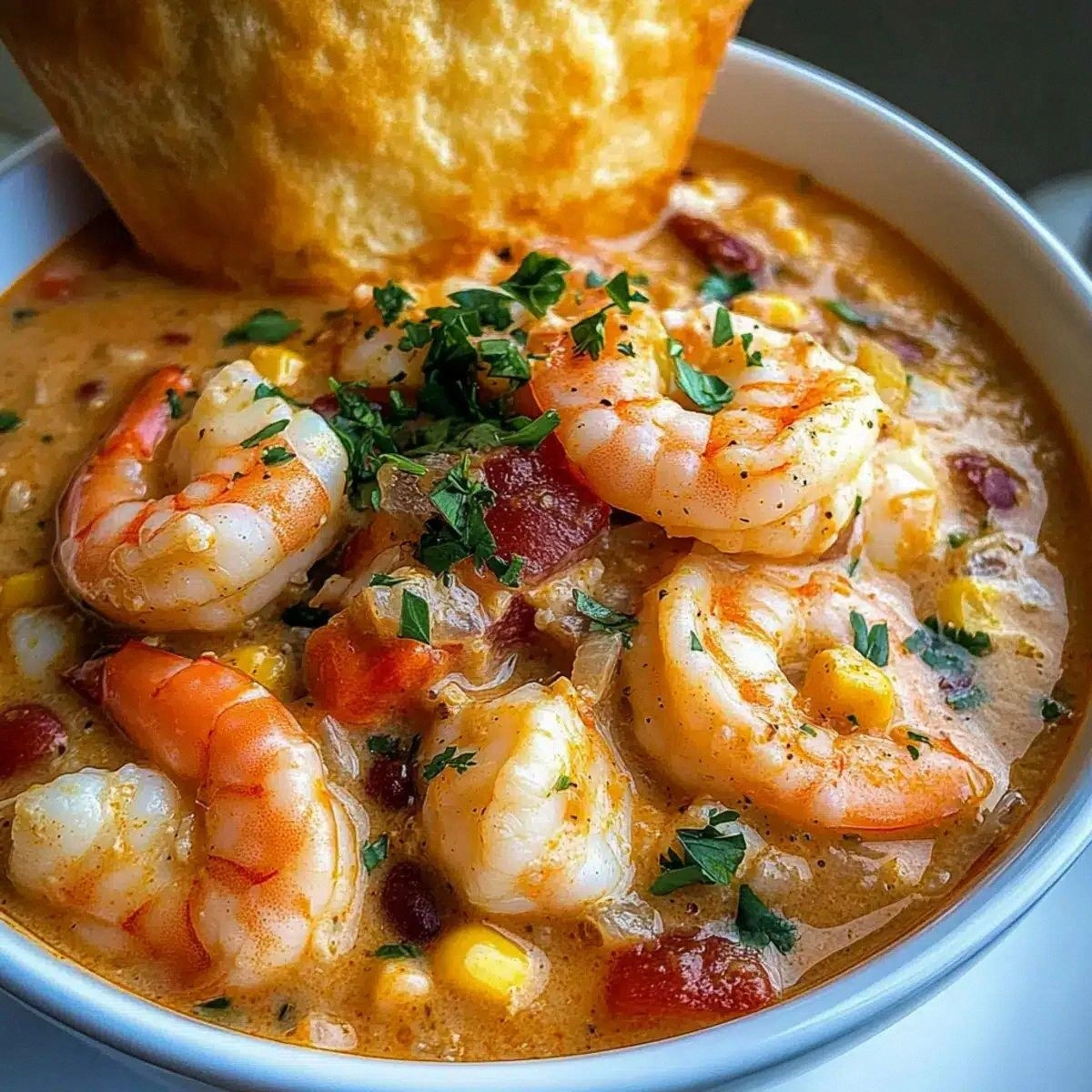
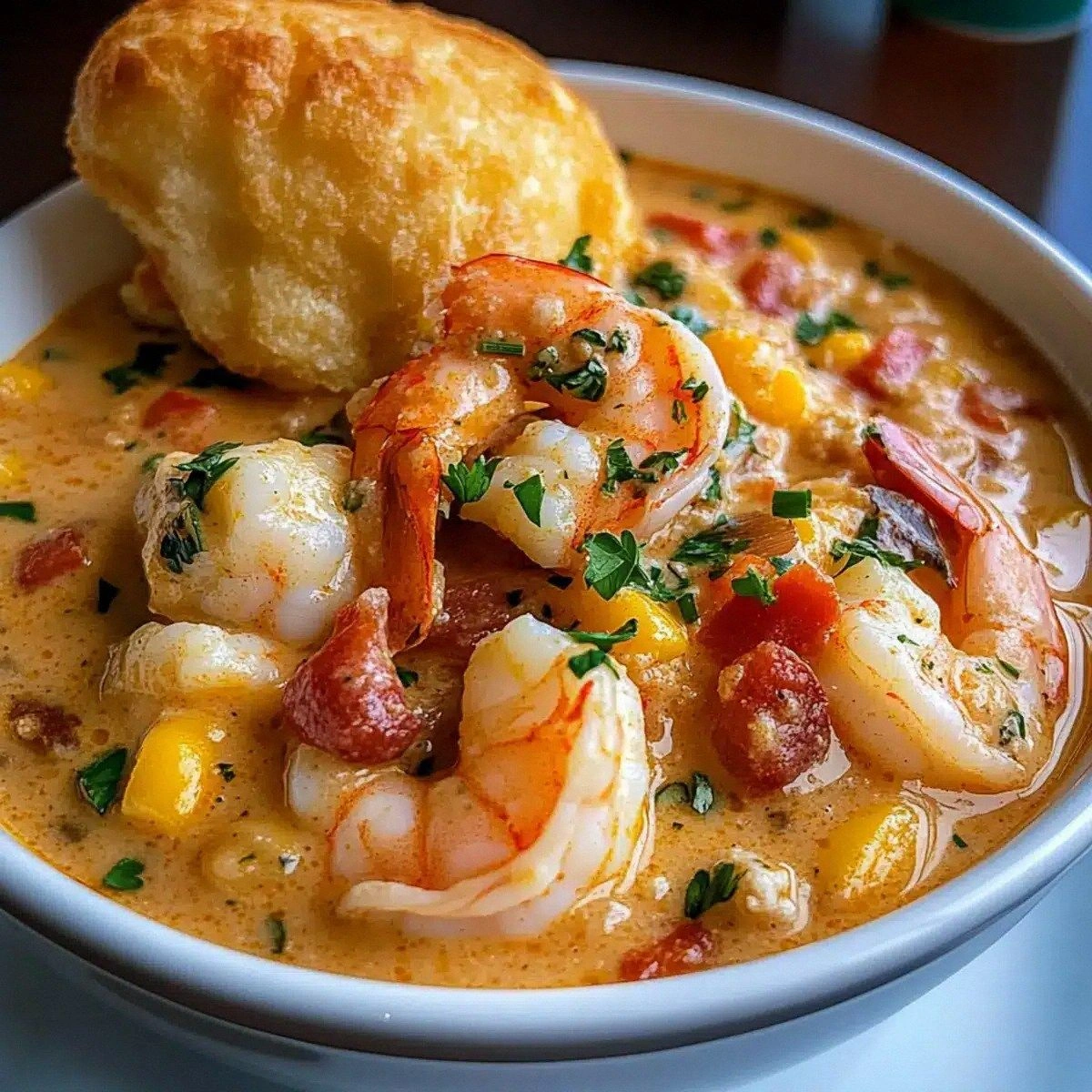
Picture this: a steaming bowl that looks like a deep‑sea sunrise, the broth a buttery amber that glistens with flecks of melted cheese, and the seafood lounging inside like royalty in a velvety throne. The moment the first spoon hits your lips, you hear that satisfying “splash” as the creamy broth embraces the shrimp, scallops, and flaky cod, while the subtle heat from cayenne and chili seasoning does a gentle tango on your palate. The aroma? A heady mix of ocean breeze, toasted onion, and a hint of sweet cheese that makes the entire kitchen feel like a cozy seaside cabin.
Most chili recipes treat the sea like an afterthought, sprinkling a few fish flakes into a tomato‑heavy base. Not this one. I took the classic chili concept and gave it a maritime makeover, swapping out the usual beef for a trio of premium seafood and folding in cream cheese for that luxurious silkiness. The secret? A quick deglaze with vegetable broth that captures every caramelized crumb, then a gentle melt of cream cheese that turns the broth into a sauce you could spread on toast. This isn’t just a chili; it’s a love letter to comfort food with a splash of oceanic elegance.
I’m about to spill the beans (and the broth) on a technique that will change the way you think about one‑pot meals forever: the “cream‑first” method, where you coax the dairy into the hot liquid before the seafood ever sees the heat. It prevents the shrimp from turning rubbery and keeps the scallops buttery tender. I dare you to taste this and not go back for seconds. Let me walk you through every single step — by the end, you’ll wonder how you ever made it any other way.
What Makes This Version Stand Out
- Taste: The marriage of mild seafood sweetness with a peppery, cheesy broth creates a flavor profile that’s both comforting and exhilarating, like a warm hug from a lighthouse keeper.
- Texture: Cream cheese gives the chili a silk‑smooth body while the shrimp stay juicy, scallops stay buttery, and the fish flakes into delicate ribbons.
- Simplicity: Fewer than twelve ingredients, one pot, and a 45‑minute timeline make this a weeknight hero without sacrificing depth.
- Uniqueness: Most chili recipes never think to add dairy; this one does, and it’s the game‑changer that sets it apart from the crowd.
- Crowd Reaction: Even the most skeptical meat‑eaters confess they’d trade their burger for a spoonful of this sea‑infused comfort.
- Ingredient Quality: Using fresh, wild‑caught shrimp and scallops amplifies the oceanic notes, turning a simple pot into a gourmet experience.
- Cooking Method: The “cream‑first” deglaze locks in moisture and prevents overcooking, a technique most home cooks overlook.
- Make‑Ahead Potential: This chili actually improves after a night in the fridge as flavors meld, making it perfect for meal‑prep warriors.
Inside the Ingredient List
The Flavor Base
The backbone of this chili is the onion and garlic sautéed until they turn a deep golden brown. This step builds a caramelized foundation that whispers sweet, earthy notes, balancing the briny seafood later on. If you skip the browning, you’ll miss that subtle sweetness that makes the broth feel like a hug rather than a slap. For a deeper flavor, add a pinch of smoked paprika at this stage; it adds a whisper of smoke without overwhelming the sea taste.
The Texture Crew
Shrimp, scallops, and cod each bring their own personality. Shrimp provide a firm, slightly sweet bite; scallops melt in your mouth like butter; cod offers flaky, tender strands that soak up the broth. If you’re allergic to shellfish, substitute with firm white fish like halibut and add a handful of diced firm tofu for texture. The key is to keep the cooking time short—overcooked seafood turns rubbery, and that’s a culinary crime.
The Unexpected Star
Cream cheese is the secret weapon. It transforms a regular broth into a luscious, velvety sauce that clings to every morsel. Think of it as the silk scarf that turns a plain outfit into runway‑ready. If you’re dairy‑free, swap with a plant‑based cream cheese or a blend of cashew cream and nutritional yeast for a similar richness.
The Final Flourish
A can of black or kidney beans adds heartiness and a subtle earthiness that grounds the dish. The shredded cheddar or Monterey Jack introduces a gentle sharpness that cuts through the richness, while the cayenne pepper and chili seasoning provide that essential kick. If you prefer a milder profile, halve the cayenne and add a dash of smoked sea salt for depth without heat.
Everything's prepped? Good. Let's get into the real action...
The Method — Step by Step
Heat a large, heavy‑bottomed pot over medium heat and drizzle in two tablespoons of olive oil. Once the oil shimmers, add the diced onion and let it sizzle; you’ll hear a gentle pop that signals the start of flavor development. Cook for about 4‑5 minutes, stirring occasionally, until the onion becomes translucent and starts to caramelize at the edges. Tip: Don’t rush this—those golden bits are flavor gold.
Kitchen Hack: If the onions start to stick, deglaze with a splash of broth before they brown too much; this lifts the fond and adds extra depth.Add the minced garlic (three cloves, finely chopped) to the pot. Stir constantly for about 30 seconds—just until you smell that unmistakable aromatic perfume. Be careful not to let it brown; burnt garlic can turn bitter and ruin the entire base.
Pour in the four cups of vegetable broth, scraping the bottom of the pot to release any caramelized bits. Bring the mixture to a gentle boil, then lower the heat to a simmer. This is where the “cream‑first” magic begins: add the eight ounces of cream cheese, breaking it into chunks, and whisk continuously until it melts into a smooth, glossy sauce.
Stir in the teaspoon of cayenne pepper and two tablespoons of chili seasoning. Let the spices bloom for a minute, releasing their oils into the broth. At this point, the kitchen should smell like a bustling Mexican market meets a seaside bistro—spicy, warm, and utterly inviting.
Add the can of beans (drained and rinsed) and the shredded cheese. The cheese will melt slowly, adding a subtle tang that balances the creaminess. Stir until the cheese is fully incorporated, creating a thick, velvety texture that clings to the spoon.
Now, the seafood enters the stage. Gently lay the one pound of shrimp, one pound of scallops, and one pound of cod into the simmering pot. Reduce the heat to low; you want a gentle simmer, not a rolling boil, to keep the delicate proteins from overcooking.
Watch Out: Over‑stirring at this stage can cause the scallops to break apart, turning them into mush. Gently fold instead.Allow the seafood to cook for 4‑5 minutes, or until the shrimp turn pink and the scallops become opaque. The cod should flake easily with a fork. Taste the broth now; it should have a balanced heat—enough to make your nose tingle but not so much that you need a glass of milk.
Finish with a final drizzle of olive oil and a sprinkle of freshly chopped parsley for color. Give the pot one last gentle stir, then remove from heat. Let the chili rest for two minutes; this short rest lets the flavors settle and the sauce thicken just a touch.
Serve hot, ladling generous portions into bowls. Top each serving with an extra pinch of shredded cheese, a squeeze of fresh lime, and a dash of hot sauce if you’re feeling daring. That final splash? Pure magic.
That's it — you did it. But hold on, I've got a few more tricks that'll take this to another level...
Insider Tricks for Flawless Results
The Temperature Rule Nobody Follows
Keep the pot on a low simmer once the seafood joins the broth. High heat makes the proteins contract too fast, resulting in a rubbery texture. I once tried a rapid boil because I was impatient; the shrimp turned into chew‑chew gum. Trust the low‑and‑slow approach, and you’ll get that perfect bite every time.
Why Your Nose Knows Best
Before you taste, give the chili a quick sniff. The aroma should be a harmonious blend of ocean brine, creamy cheese, and a whisper of spice. If you detect any raw seafood scent, it means the cooking time is insufficient. Your nose is the first quality control checkpoint—listen to it.
The 5‑Minute Rest That Changes Everything
After you turn off the heat, cover the pot and let the chili sit for five minutes. This rest allows the starches from the beans and the cream cheese to fully integrate, creating a sauce that’s smoother than a silk scarf. Skipping this step leaves a slightly grainy mouthfeel, which is a shame for such a luxurious dish.
The Secret Salt Layer
Season in layers: a pinch of salt with the onions, a dash when adding the broth, and a final sprinkle just before serving. This builds depth without ever becoming overly salty. A friend once added all the salt at the end and ended up with a broth that tasted like seawater—too much, too late.
The “Finish with Fresh” Rule
A splash of fresh lime juice or a handful of chopped cilantro added right before serving brightens the entire bowl, cutting through the richness and adding a burst of freshness. It’s like turning on a light in a dim room—suddenly everything is clearer, sharper, more exciting.
Creative Twists and Variations
This recipe is a playground. Here are some of my favorite ways to switch things up:
Spicy Coconut Wave
Swap half of the vegetable broth for coconut milk, add a teaspoon of Thai red curry paste, and finish with toasted coconut flakes. The result is a tropical, slightly sweet heat that transports you to a beachside shack.
Smoky Chipotle Delight
Replace the cayenne with chipotle in adobo sauce, and stir in a tablespoon of smoked paprika. The smoky depth pairs beautifully with the seafood, giving the chili a barbecue vibe.
Hearty Bean Boost
Add a second can of beans—black-eyed peas or pinto beans—to make the dish more filling. This variation is perfect for feeding a crowd or for those who love extra protein.
Veggie‑Loaded Version
Dice a cup of zucchini and a half cup of corn, sauté them with the onions. The vegetables add sweetness and texture, making the chili feel even more like a complete meal.
Cheese‑Lover’s Dream
Double the shredded cheese and finish with a quick broil for a golden, bubbly crust on top of each serving. It’s like a cheesy blanket over the oceanic goodness.
Storing and Bringing It Back to Life
Fridge Storage
Allow the chili to cool to room temperature, then transfer it to an airtight container. It will keep fresh for up to three days. When reheating, add a splash of water or broth and stir gently over low heat to restore that silky texture.
Freezer Friendly
Portion the chili into freezer‑safe bags or containers, leaving a little headspace for expansion. Freeze for up to two months. Thaw overnight in the fridge, then reheat on the stovetop with a dash of broth; the cream cheese may separate slightly, but a quick whisk will bring it back together.
Best Reheating Method
The stovetop method is king: place the chili in a saucepan over medium‑low heat, add a tablespoon of water per cup, and stir constantly until it bubbles gently. Avoid microwaving, which can cause the cheese to become grainy.