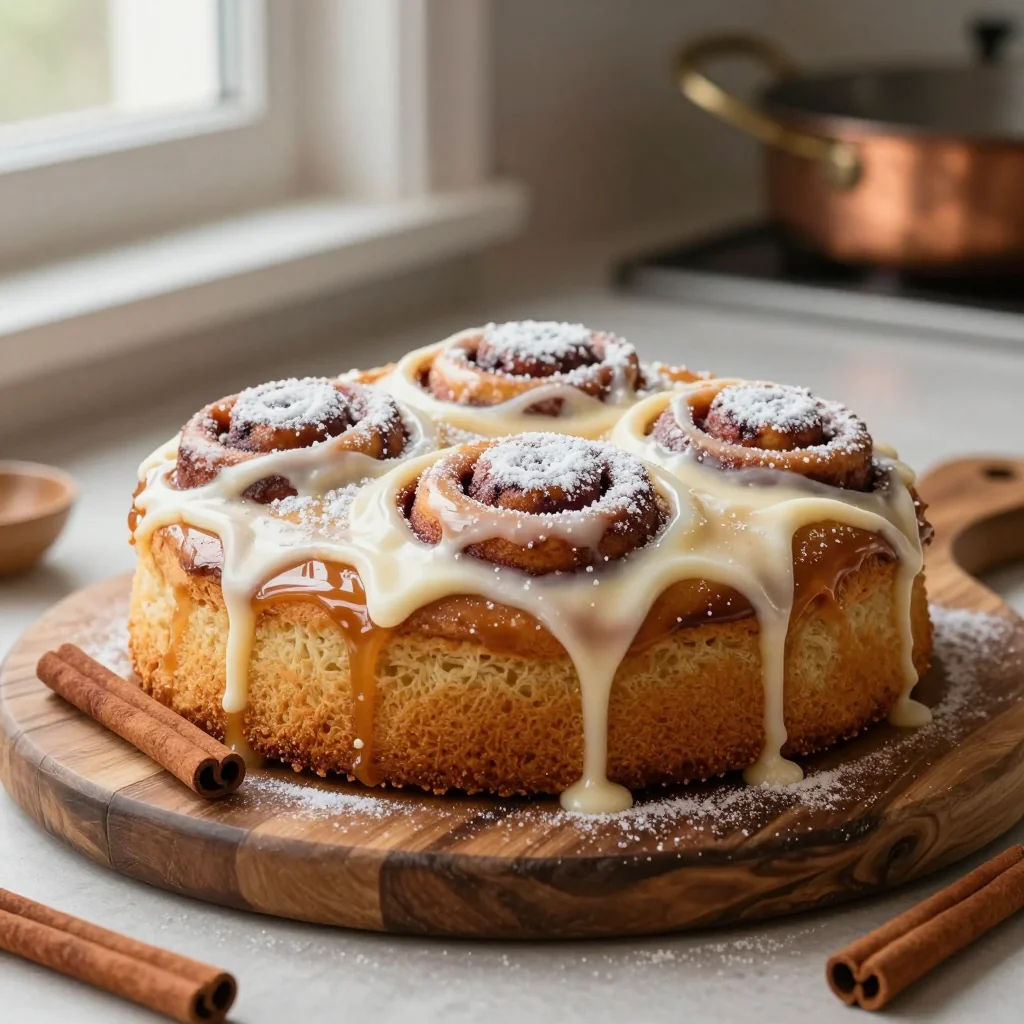
A show‑stopping, gooey dessert that turns classic cinnamon rolls into a playful, poke‑style cake.
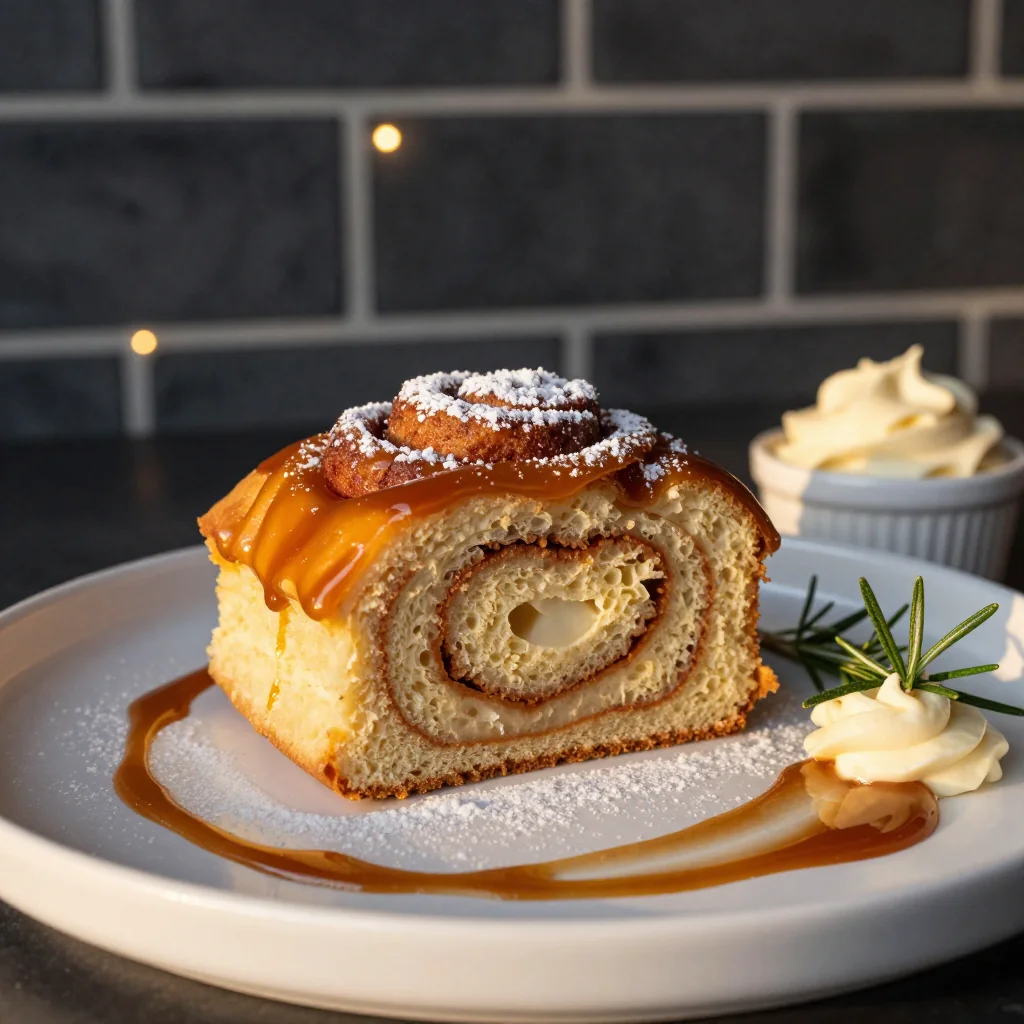
I still remember the first time I saw a poke cake at a trendy brunch spot in Portland – the bright colors, the playful holes filled with gooey cinnamon‑roll goodness, and the collective gasp of the diners. It felt like a culinary prank, a sweet surprise that turned an ordinary dessert into a conversation starter. That memory sparked a mission: to bring that excitement into my own kitchen, where I could control every swirl of cinnamon and every drizzle of cream cheese frosting.
Cinnamon rolls have a long‑standing place in comfort‑food history, tracing back to Swedish “kanelbullar” that traveled across the Atlantic to become a staple of American bakeries. By re‑imagining them as a poke cake, we keep the warm, spiced aroma while adding a modern, Instagram‑ready twist that makes each bite a mini‑adventure.
In this recipe, you’ll learn how to craft a fluffy, yeasted base, how to embed pockets of cinnamon‑roll cubes that burst with caramelized sugar, and how to finish with a tangy cream‑cheese frosting that balances the sweetness perfectly. I’ll share the exact timing, temperature tricks, and the little hacks that ensure the cake rises evenly and the poke pockets stay moist.
I’m thrilled to guide you through every step, from mixing the dough to the final drizzle. Let’s get our aprons on, preheat the oven, and create a dessert that will wow both kids and grown‑ups alike.
🌟 Why This Recipe Will Captivate You
From its eye‑catching presentation to the melt‑in‑your‑mouth texture, this Cinnamon Roll Poke Cake offers a multi‑sensory experience that turns any gathering into a celebration.
- ✨ Show‑Stopping Visual Appeal: The poke‑style holes reveal swirls of cinnamon‑spiced dough, creating a vibrant, layered look that photographs beautifully and invites guests to dig in.
- ✨ Perfect Balance of Sweet and Tangy: The cream‑cheese frosting adds a subtle tang that cuts through the caramel sweetness, preventing the dessert from feeling cloying.
- ✨ Flexible Portioning: With the built‑in portion adjuster, you can easily scale the recipe from a cozy family dinner to a party‑size centerpiece without recalculating each ingredient manually.
- ✨ Textural Contrast: Each bite delivers a soft, airy crumb, a chewy cinnamon‑roll cube, and a silky frosting – a delightful trio of textures.
- ✨ All‑Year Comfort: The warm spices evoke nostalgia in winter yet remain light enough for spring brunches, making it suitable for any season.
- ✨ Beginner‑Friendly Yet Impressive: Though it looks elaborate, the step‑by‑step guide breaks down each technique, allowing home cooks of medium skill to achieve bakery‑level results.
🥗 Ingredients
📝 Complete Ingredient List
For the Cinnamon Roll Base:
- 250 g all‑purpose flour
- 50 g granulated sugar
- 7 g active dry yeast
- 2.5 g salt
- 180 ml warm milk
- 60 ml melted butter
- 1 large egg
- 10 g ground cinnamon
- 50 g brown sugar
- 30 g softened butter (for swirl)
For the Poke Filling (Cinnamon Roll Cubes):
- 120 g cinnamon roll dough (cut into cubes)
- 30 g brown sugar
- 2.5 g ground cinnamon
- 15 ml melted butter
For the Cream Cheese Frosting:
- 115 g cream cheese, softened
- 25 g unsalted butter, softened
- 120 g powdered sugar
- 5 ml vanilla extract
- 1‑2 tbsp milk (optional)
For the Glaze:
- 60 g powdered sugar
- 1‑2 tbsp milk
- 1 tsp vanilla extract
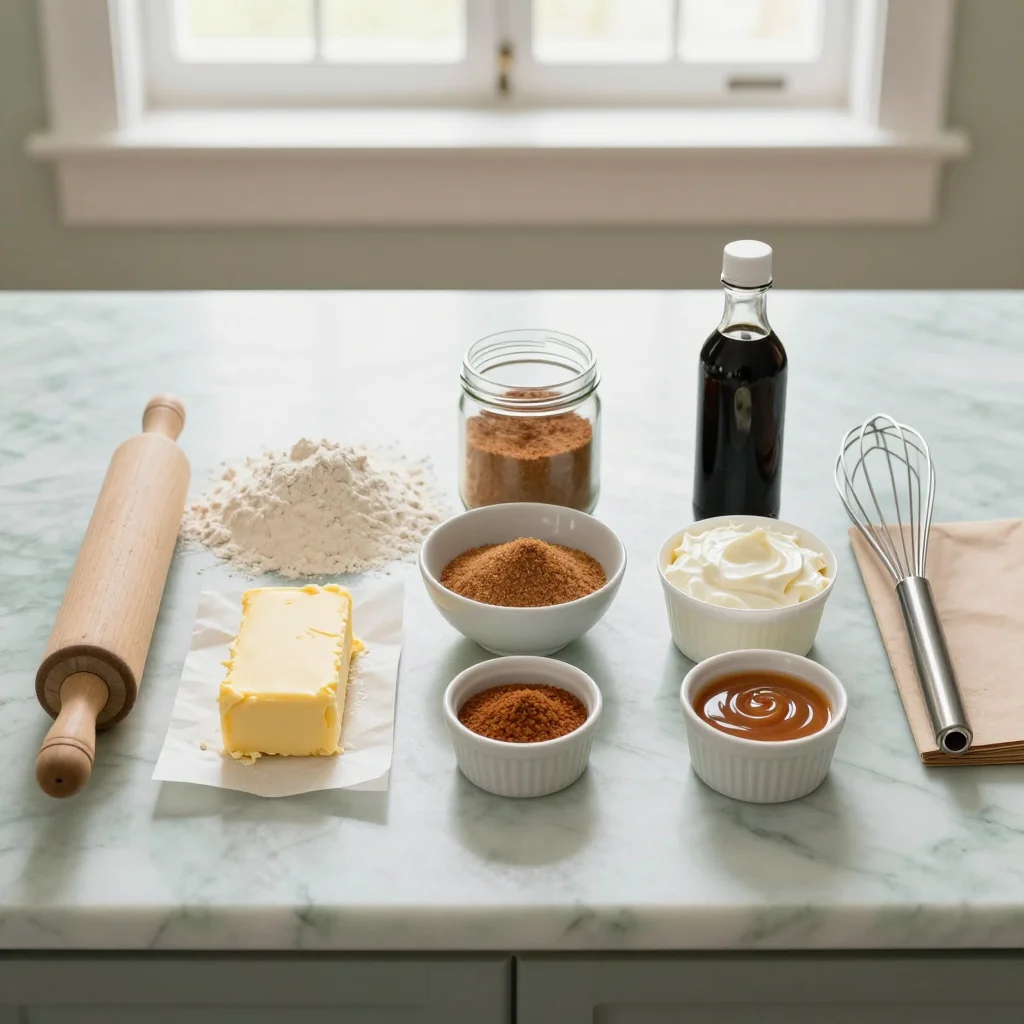
🔍 Focus on Key Ingredients
All‑Purpose Flour
Flour provides the structural backbone of the cake. Choosing a high‑quality, unbleached flour ensures a tender crumb while allowing the yeast to develop a light, airy texture. If you prefer a slightly nutty flavor, you can substitute 10% of the flour with whole‑wheat flour, but keep the total weight the same.
Active Dry Yeast
Yeast is the leavening hero that lifts the dough. For best results, proof the yeast in warm milk (around 38 °C / 100 °F) with a pinch of sugar for 5‑7 minutes before mixing. This step guarantees the yeast is alive and will give the cake its signature fluffiness.
Ground Cinnamon & Brown Sugar
The aromatic duo of cinnamon and brown sugar creates the classic sweet‑spicy profile. Use Ceylon cinnamon for a delicate, floral note, or stick to Cassia if you enjoy a bolder, more pungent flavor. The molasses in brown sugar adds moisture and a subtle caramel depth that pairs perfectly with the cream cheese frosting.
🔄 Quick Substitutions
| If you don’t have... | Use instead... |
|---|---|
| All‑purpose flour | Pastry flour (same weight) |
| Unsalted butter | Salted butter (reduce added salt) |
| Cream cheese | Greek yogurt (full‑fat) for a lighter version |
👨🍳 Step‑by‑Step Instructions
Follow these detailed stages to transform simple dough into a spectacular poke cake that will be the star of any gathering.
📋 Phase 1: Preparation & Mise en Place
Gather your tools, measure precisely, and let the dough rest before shaping.
Activate the Yeast
In a small bowl, combine the warm milk (180 ml) with the active dry yeast (7 g) and a pinch of the granulated sugar. Stir gently and let sit for 5‑7 minutes until a frothy foam forms. This visual cue tells you the yeast is alive and ready to work its magic.
Mix Dry Ingredients
In a large mixing bowl, whisk together the flour (250 g), granulated sugar (50 g), salt (2.5 g), and ground cinnamon (10 g). Creating a uniform dry mixture ensures the yeast distributes evenly throughout the dough.
Combine Wet Ingredients
Make a well in the center of the dry ingredients and pour in the foamy yeast mixture, melted butter (60 ml), and the beaten egg. Using a wooden spoon or a stand‑mixer's dough hook, combine until a shaggy dough forms.
🔥 Phase 2: Kneading, Rising & Baking
Develop gluten, let the dough rise, and bake to golden perfection.
Knead the Dough
Turn the dough onto a lightly floured surface and knead for 8‑10 minutes until it becomes smooth, elastic, and no longer sticks to your hands. Proper kneading creates the gluten network that traps the gases released by the yeast, giving the cake its airy structure.
First Rise
Place the kneaded dough in a lightly greased bowl, cover with a damp cloth, and let it rise in a warm spot (around 30 °C / 86 °F) for 1‑1.5 hours, or until doubled in size. This first proof is crucial for flavor development.
Prepare the Cinnamon Swirl
While the dough rises, mix the brown sugar (50 g) with ground cinnamon (10 g). Spread the softened butter (30 g) over the rolled‑out dough, then sprinkle the cinnamon‑sugar mixture evenly. Roll the dough tightly into a log, then slice into 1‑inch thick rounds.
Assemble the Poke Cake
Grease a 9‑inch (23 cm) springform pan. Spread the remaining dough evenly across the bottom, creating a smooth base. Using a sturdy wooden skewer or a chopstick, poke a grid of holes about 1 cm apart. Fill each hole with a cinnamon‑roll cube, pressing gently so the dough adheres around the edges.
Bake the Cake
Preheat the oven to 180 °C (350 °F). Bake the assembled cake for 25‑30 minutes, or until the top turns a deep golden brown and a toothpick inserted into the base comes out clean. Rotate the pan halfway through baking for even coloration.
✨ Phase 3: Finishing Touches & Plating
Cool, frost, and present the cake for maximum impact.
Cool the Cake
Allow the cake to cool in the springform pan for 10 minutes, then release the sides and transfer to a wire rack. Cooling prevents the frosting from melting instantly.
Prepare Cream Cheese Frosting
In a mixing bowl, beat the softened cream cheese (115 g) and butter (25 g) together until light and fluffy. Gradually add powdered sugar (120 g), vanilla extract (5 ml), and enough milk (1‑2 tbsp) to reach a spreadable consistency. The frosting should be smooth, with no lumps.
Frost the Cake
Using an offset spatula, spread a generous layer of cream cheese frosting over the top of the cooled cake, allowing it to cascade down the sides. For a glossy finish, drizzle the simple glaze (powdered sugar mixed with milk and vanilla) over the frosting.
Serve
Slice the cake with a sharp, warm knife to reveal the poke cavities filled with cinnamon‑roll cubes. Serve warm or at room temperature, accompanied by a dollop of vanilla ice cream if desired.
💡 Expert Tips & Tricks
🛒 Choosing the Right Ingredients
Opt for high‑quality butter with at least 80% butterfat for a richer flavor; avoid margarine. Fresh yeast should be stored in the refrigerator and used within its expiration date. When selecting cream cheese, pick a full‑fat version – the lower fat alternatives can lead to a grainy frosting.
🔪 Preparation Techniques
When rolling out the dough, use a rolling pin lightly dusted with flour to prevent sticking. Aim for an even thickness of about 5 mm; this ensures uniform rising. After cutting the cinnamon roll slices, keep them chilled for at least 10 minutes; this helps them retain shape during baking.
🌡️ Mastering the Bake
Preheat the oven fully before inserting the pan. Use an oven thermometer to verify the temperature; many home ovens run a few degrees off. Mid‑bake, rotate the pan 180° to promote even browning. If the top darkens too quickly, loosely tent with foil.
🍽️ Presentation & Service
For a polished look, drizzle the glaze in a zig‑zag pattern and sprinkle flaky sea salt just before serving. Pair each slice with a small scoop of vanilla bean ice cream or a drizzle of caramel sauce for an elevated finish.
🏆 Pro Tips
The difference between a good cake and a bakery‑level masterpiece often lies in the fine details that professionals master.
- 🎯 Temperature Control: Keep all ingredients (especially butter and eggs) at room temperature before mixing. This ensures the yeast activates uniformly and prevents pockets of cold dough that can hinder rising.
- 🎯 Autolyse Method: After combining flour and water (milk), let the mixture rest for 20 minutes before adding yeast and salt. This rest period hydrates the flour, resulting in a softer crumb and better gluten development.
- 🎯 Steam Baking: Place a shallow pan of hot water on the oven floor during the first 10 minutes of baking. The added steam creates a glossy crust and helps the poke holes stay moist.
- 🎯 Frosting Texture: Beat the cream cheese and butter for at least 2 minutes before adding sugar. This traps air, giving the frosting a light, mousse‑like texture rather than a dense spread.
- 🎯 Poke Hole Uniformity: Use a ruler to space the holes evenly (1 cm apart). Consistent spacing ensures each bite contains a balanced amount of dough, filling, and frosting.
- 🎯 Final Glaze Shine: Add a tiny pinch of corn syrup to the glaze; it adds a subtle shine without altering flavor.
"Desserts are the perfect canvas for creativity; a poke cake turns a classic into an experience." — Dominique Ansel
🔄 Variations & Adaptations
The beauty of this recipe lies in its adaptability. Whether you’re catering to dietary preferences or craving bold new flavors, there’s a version for you.
🥬 Vegetarian/Vegan Version
Swap the egg for a flax‑egg (1 tbsp ground flaxseed + 3 tbsp water) and use plant‑based butter. Replace cream cheese with a vegan cream cheese alternative, and use coconut cream mixed with powdered sugar for the frosting. The texture remains luxurious while staying entirely plant‑based.
- Flax‑egg provides binding similar to a real egg.
- Vegan cream cheese offers a tangy flavor without dairy.
🌶️ Flavor Variations
Experiment with additional spices or complementary ingredients to give the cake a new personality.
Spicy Version:
Add ½ tsp ground cayenne pepper to the cinnamon‑sugar mixture and drizzle a thin layer of honey‑chili glaze on top.
Mediterranean Version:
Incorporate finely chopped pistachios into the frosting and sprinkle crumbled feta on the glaze for a sweet‑savory contrast.
Asian Fusion Version:
Replace the vanilla extract with a dash of matcha powder in the frosting and drizzle a light black‑sesame glaze for an earthy finish.
⚠️ Dietary Adaptations
Gluten‑Free:
Use a 1:1 gluten‑free all‑purpose flour blend, ensuring it contains xanthan gum for structure.
Lactose‑Free:
Swap butter with lactose‑free margarine and use a lactose‑free cream cheese alternative.
Low‑Calorie:
Reduce the sugar in the swirl by half, use low‑fat cream cheese, and replace half the butter with unsweetened applesauce.
👶 Kid‑Friendly Version
Omit the pinch of salt, use a milder cinnamon, and top the cake with colorful sprinkles. Serve with a side of fresh fruit to balance the sweetness and make the plate visually appealing for little eyes.
📦 Storage & Reheating
🧊 Conservation
In the Refrigerator:
- Duration: 4 days
- Recommended container: Airtight cake dome or sealed plastic container
- Tip: Place a sheet of parchment between the cake and the lid to prevent condensation from sogging the frosting.
In the Freezer:
- Duration: 2 months
- Method: Wrap the cooled cake tightly in plastic wrap, then foil, and store in a freezer‑safe bag.
- Defrosting: Transfer to the refrigerator overnight, then let sit at room temperature for 30 minutes before serving.
💡 For optimal texture, re‑bake a frozen slice at 160 °C (320 °F) for 5‑7 minutes to refresh the crust.
♨️ Reheating
🔥 Oven (Recommended):
- Preheat to 160 °C (320 °F).
- Cover the cake loosely with aluminum foil.
- Heat for 10 minutes.
- Remove foil and continue for an additional 5 minutes to restore a golden crust.
⚡ Microwave (Quick):
- Place a slice on a microwave‑safe plate.
- Cover with a microwave‑safe lid or another plate.
- Heat on medium power for 30‑45 seconds.
- Check and repeat in 10‑second bursts if needed.
🍳 Stovetop:
Heat a non‑stick skillet over low heat, add a thin slice, cover, and warm for 2‑3 minutes, flipping once. This method revives the crust while keeping the interior moist.
🍷 Perfect Pairings
🥗 Side Dishes
- Fresh Berry Salad: A mix of strawberries, blueberries, and mint adds a bright, acidic counterpoint.
- Vanilla Yogurt Parfait: Layered with granola for crunch, it balances the cake’s richness.
- Caramelized Bananas: Lightly sautéed in butter, they echo the cinnamon flavor while adding caramel depth.
🍷 Wine & Beverage Pairings
- Late Harvest Riesling: Its honeyed sweetness mirrors the cake’s caramel notes while its acidity cuts through the frosting.
- Amber Ale: The maltiness complements the cinnamon and brown sugar.
- Non‑Alcoholic: Chilled hibiscus iced tea with a splash of orange blossom water offers a floral, tart contrast.
🍰 Complementary Courses
Begin with a light citrus soup or a simple mixed greens salad dressed with a citrus vinaigrette. Follow the poke cake with a palate‑cleansing lemon sorbet before ending with a dark chocolate mousse for a sophisticated finish.
❓ Frequently Asked Questions
Q: Can I use instant yeast instead of active dry yeast?
A: Yes, you can substitute instant yeast in a 1:1 ratio. Skip the proofing step and mix the yeast directly with the dry ingredients. The dough may rise slightly faster, so keep an eye on the first rise and adjust timing accordingly.
Q: How do I prevent the poke holes from collapsing after baking?
A: Ensure the dough is fully risen before poking and filling. Also, keep the holes evenly spaced and avoid over‑filling with cubes. A gentle press after placing each cube helps the dough adhere without tearing.
Q: What if I don’t have a springform pan?
A: A 9‑inch round cake pan works fine; just line the bottom with parchment paper and grease the sides well. You may need to lower the bake temperature by 5 °C (10 °F) to prevent over‑browning on the sides.
Q: Can I prepare the frosting ahead of time?
A: Absolutely. Store the cream cheese frosting in an airtight container in the refrigerator for up to 2 days. Before using, let it sit at room temperature for 20 minutes and give it a quick whisk to restore smoothness.
Q: How can I make the cake gluten‑free without sacrificing texture?
A: Use a high‑quality gluten‑free flour blend that includes starches and xanthan gum. Adding a tablespoon of psyllium husk powder improves elasticity, mimicking the gluten network.
Q: Is it possible to make this cake ahead of a big event?
A: Yes. Bake the cake a day before, let it cool completely, then frost and glaze the morning of the event. Store it refrigerated and bring it to room temperature before serving for the best texture.
🎉 Let’s Get Baking!
This Cinnamon Roll Poke Cake brings together the comforting warmth of classic cinnamon rolls with a playful, modern presentation that will wow any crowd. By following the detailed steps, you’ll achieve a moist, airy base, pockets of caramelized cinnamon goodness, and a luscious cream‑cheese frosting that ties everything together. Whether you’re serving it at a brunch, a holiday gathering, or a casual family dinner, the cake’s vibrant look and balanced flavors make it unforgettable.
Don’t hesitate to experiment with the variations—add a dash of orange zest, swap the glaze for a dark chocolate drizzle, or try the vegan adaptation. Share your creations, ask questions, and let the community inspire you to keep exploring.
Have you tried this recipe?
Leave a comment and rating below! Share your photos on Instagram with #PokeCakeMagic to be featured on our page.
Cinnamon Roll Poke Cake
A playful, gooey cake that hides cinnamon‑roll cubes inside a fluffy base.
📝 Ingredients
Base Dough
Poke Filling
Cream Cheese Frosting
Glaze
👨🍳 Instructions
Activate yeast in warm milk with a pinch of sugar; let foam.
Whisk dry ingredients together, then combine with wet mixture.
Knead dough 8‑10 minutes until smooth; let rise 1‑1.5 h.
Prepare cinnamon swirl, roll, slice, and chill.
Grease springform pan, spread base dough, poke holes, fill with cubes.
Bake at 180 °C for 25‑30 min until golden.
Cool, then whisk cream cheese frosting until fluffy.
Frost cake, drizzle glaze, and let set 10 min.
Slice with warm knife, serve with optional ice cream.
Enjoy and share your creation on social media!
🥗 Nutritional Information (per serving)
*Values are estimates based on standard ingredient brands.