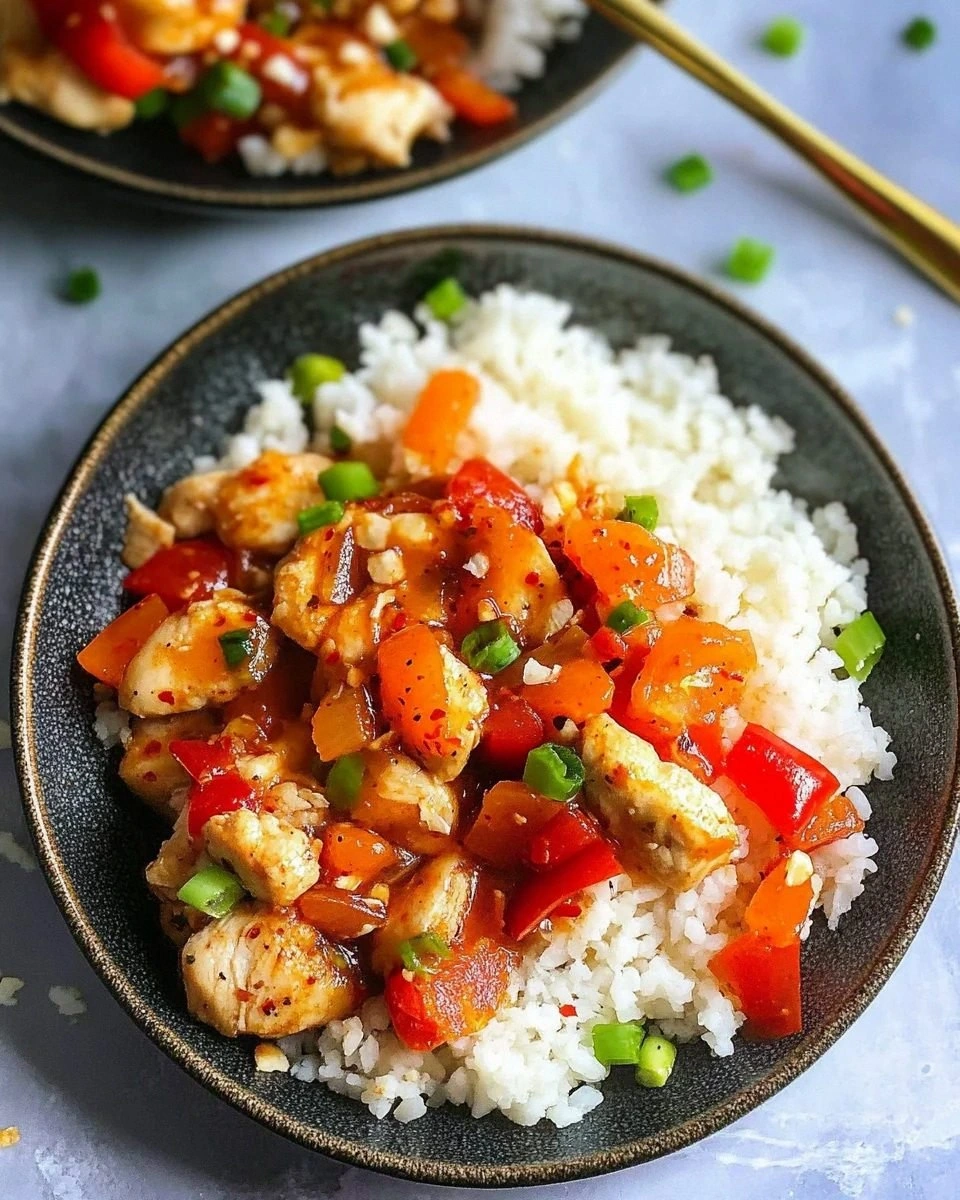
I still remember the first time I tried to make sweet chili chicken at home. Picture this: it was a rainy Tuesday, my favorite takeout place was closed for renovations, and I was nursing a craving so fierce I could practically taste that glossy, sticky sauce clinging to crispy chicken pieces. Three failed attempts later—one with burnt garlic, one with sauce so thin it pooled like water, and one that tasted like candy-coated rubber—I finally cracked the code. The moment that perfect balance of sweet heat hit my tongue, I did a little victory dance right there in my kitchen, waving my tongs like a conductor's baton. That sizzle when the chicken hits the pan? Absolute perfection.
What makes this version different from every other recipe cluttering the internet? I'm glad you asked. Most recipes get this completely wrong—they drown the chicken in a cloyingly sweet sauce that belongs on ice cream, not dinner. Others turn the coating into a soggy mess that tastes like wet cardboard. My version creates these gorgeous caramelized edges that shatter like thin ice, revealing juicy chicken underneath, all lacquered in a sauce that coats each piece like liquid velvet. The secret lies in a technique I discovered by accident when my phone rang mid-cooking and I left the chicken undisturbed for thirty seconds longer than intended.
Here's the thing: if you've ever struggled with sweet chili chicken that tastes more like candy than dinner, you're not alone—and I've got the fix. This recipe balances that sweet heat with layers of savory depth that'll make your taste buds do a double-take. The sauce clings to every nook and cranny of the chicken, creating these little pockets of flavor that burst in your mouth like culinary fireworks. I dare you to taste this and not go back for seconds—actually, I double-dog dare you, because I ate half the batch before anyone else got to try it, and I'm not even sorry.
Future pacing moment: Picture yourself pulling this out of the wok, the whole kitchen smelling like a street market in Bangkok, your neighbors sniffing the air wondering what restaurant opened on your block. The chicken glistens with that gorgeous ruby-red sauce, steam rising in lazy curls, and you know—you just know—that you've created something magical. Let me walk you through every single step—by the end, you'll wonder how you ever made it any other way.
What Makes This Version Stand Out
This is hands down the best version you'll ever make at home, and I'm not just saying that because I'm biased (okay, maybe a little). What sets this apart is how we build flavor in layers, like a symphony where each instrument knows exactly when to join in. The chicken gets this incredible texture that's crispy yet tender, while the sauce achieves that elusive perfect consistency—not watery, not gloopy, but just thick enough to cling lovingly to every piece.
- Restaurant-Quality Crunch: We use a double-coating technique that creates these micro-bubbles of texture, giving you that shatteringly crisp exterior that stays crunchy even after the sauce goes on. It's like the chicken is wearing a tiny armor of deliciousness.
- Balanced Sweet Heat: Most recipes swing too far in one direction—either cloyingly sweet or face-meltingly spicy. This version walks that tightrope perfectly, with the sweetness enhancing rather than masking the gentle heat that builds slowly on your tongue.
- One-Pan Wonder: Despite tasting like you spent hours in the kitchen, this whole thing comes together in one wok or skillet. Less dishes, more Netflix time—it's the weeknight dinner trifecta of speed, flavor, and minimal cleanup.
- Ingredient Flexibility: Got chicken thighs instead of breast? No problem. Need to make it gluten-free? Easy swap. The recipe adapts to whatever's lurking in your fridge, making it perfect for those "what's for dinner" panic moments.
- Leftover Magic: If you somehow manage not to inhale the entire batch (teach me your restraint), the leftovers transform into tomorrow's lunch hero. Cold sweet chili chicken over rice? Even better the next day when those flavors have had time to mingle and party.
- crowd-Pleasing Power: I've served this to picky kids, spice-averse grandparents, and food-snob friends who think they know better. Every single one of them asked for the recipe—some even before they finished chewing. It's that good.
Alright, let's break down exactly what goes into this masterpiece...
Inside the Ingredient List
Great cooking starts with understanding your ingredients—why each one matters and what happens when you try to cheat the system. I've tested this recipe with everything from premium organic chicken to "whatever was on sale" chicken, and let me tell you, the quality of your ingredients makes or breaks this dish. But here's the plot twist: you don't need to break the bank to make something incredible.
The Protein Foundation
Chicken breast gets a bad rap for being dry and boring, but that's only because most people treat it like shoe leather. In this recipe, we slice it just right—thin enough to cook quickly and absorb flavor, thick enough to stay juicy. The key is cutting against the grain, which breaks up those muscle fibers that make chicken tough. If you can only find chicken thighs, they'll work beautifully too, giving you an even richer flavor with that slightly fattier texture that some people (me included) actually prefer.
The cornstarch is your texture MVP here. It creates this magical coating that crisps up like nobody's business while keeping the chicken inside tender and moist. Don't even think about skipping it or substituting flour—flour creates a heavy, greasy coating that'll make your sweet chili chicken taste like it came from a bad buffet. Cornstarch is cheap, lasts forever, and trust me, once you see how it transforms your chicken, you'll start putting it on everything.
The Flavor Powerhouses
Sweet chili sauce is obviously the star of the show, but not all bottles are created equal. I've tried dozens of brands, and the difference between a good one and a great one is like comparing a flip phone to an iPhone. Look for one where you can see actual chili flakes suspended in the sauce—those little red specks are flavor bombs waiting to explode. The best ones balance sweetness with a gentle heat that builds rather than slaps.
Fresh garlic makes all the difference here, and I will die on this hill. That pre-minced stuff in jars tastes like sadness and regret. Fresh garlic, smashed and chopped just before cooking, releases these aromatic compounds that make your kitchen smell like you actually know what you're doing. Same goes for ginger—fresh ginger adds this bright, almost citrusy note that powdered ginger can't touch. Plus, grating ginger is weirdly therapeutic, like kitchen aromatherapy.
The Supporting Cast
Rice vinegar brings the acid that makes all the other flavors pop like they're under a spotlight. It's the difference between a flat, one-dimensional sauce and one that makes your tongue do a happy dance. If you only have white vinegar, you can use it, but rice vinegar has this gentle sweetness that plays beautifully with the chili sauce. Apple cider vinegar works in a pinch too, giving you a slightly fruitier note.
Soy sauce adds that crucial umami depth that makes people take a bite and go "what's in this?" without being able to put their finger on it. It's like the bass line in a song—not the melody, but without it, everything falls flat. Go for a good quality soy sauce if you can; the cheap ones taste like salt water with identity issues. Tamari works great if you're keeping things gluten-free, and it actually has a richer, less harsh flavor.
The Finishing Touches
Sesame oil is your flavor fairy dust—a few drops at the end transform the whole dish with this nutty, aromatic quality that screams "I know what I'm doing in the kitchen." A little goes a long way, and once you start using it, you'll find yourself drizzling it on everything from vegetables to popcorn. Just don't cook with it over high heat; it's more delicate than your feelings after watching a sad movie.
Green onions aren't just there to make your dish Instagram-worthy (though they definitely do that). They add this fresh, sharp bite that cuts through the richness of the sauce, plus that lovely pop of color that makes the whole dish look alive. The white parts go in early to mellow and sweeten, while the green parts get sprinkled on at the end for maximum freshness and crunch.
Everything's prepped? Good. Let's get into the real action...
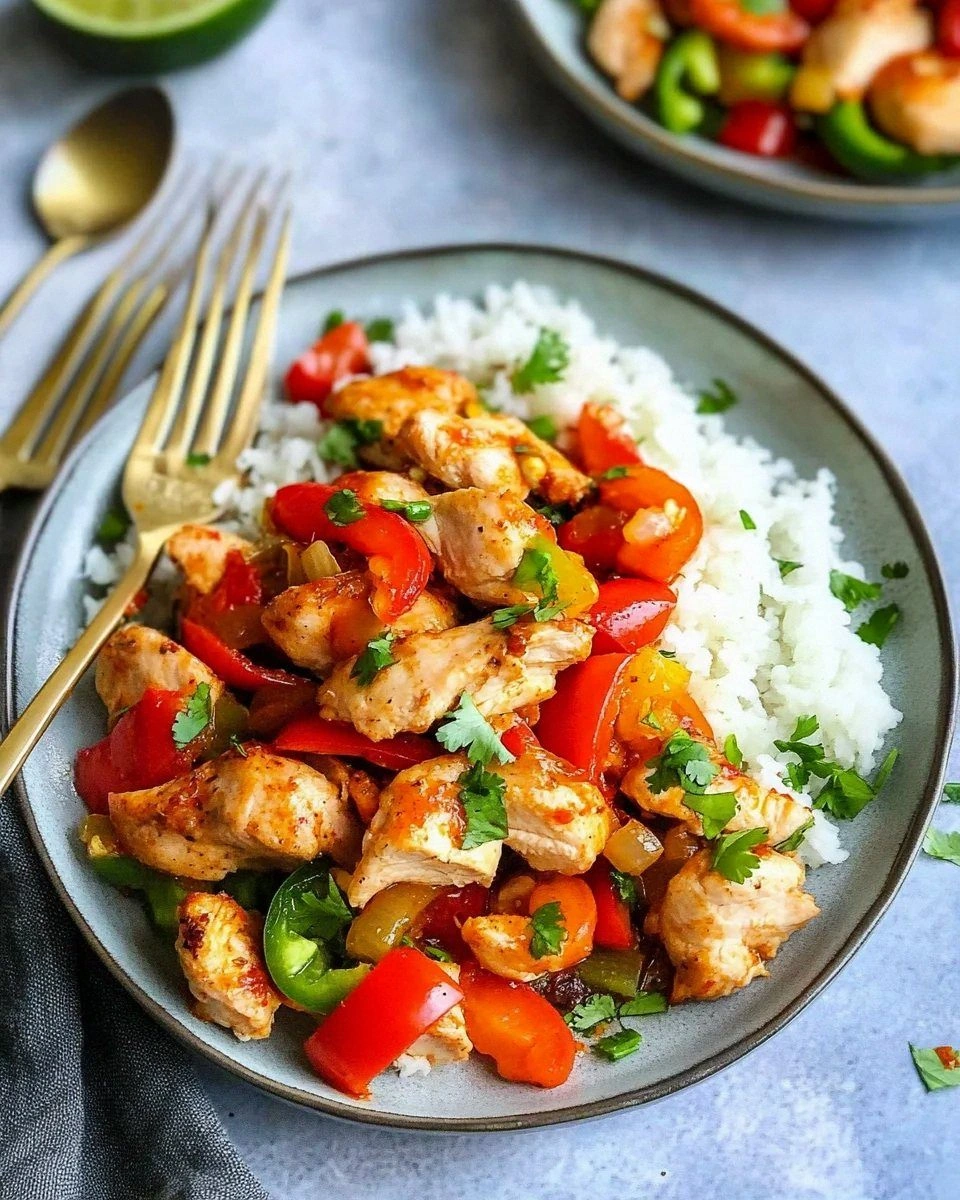
The Method — Step by Step
- Prep Your Chicken Like a Pro: Start with chicken breasts that are partially frozen—about 30 minutes in the freezer firms them up just enough to slice like butter. Cut them into bite-sized pieces, about ¾-inch cubes, keeping them uniform so they cook evenly. Pat them absolutely dry with paper towels; moisture is the enemy of crispiness. Season with salt and pepper, but go easy on the salt since the sauce brings plenty to the party. This is the foundation of everything, so take your time here—rushing this step is like building a house on quicksand.
- Create the Magic Coating: In a large bowl, toss your chicken pieces with cornstarch until every cube is wearing a snowy white jacket. This isn't just for texture—it helps the sauce cling to the chicken later like a delicious edible glue. Add a tablespoon of oil and toss again; this helps the cornstarch stay put during cooking. Let it sit for five minutes while you prep everything else—this brief rest helps the coating adhere better than a toddler to their favorite toy.
- Heat Things Up Properly: Get your wok or large skillet screaming hot over medium-high heat. The pan is ready when a drop of water dances and evaporates immediately, like it's doing the cha-cha. Add enough oil to create a thin film—about 2 tablespoons—and swirl to coat. If your oil starts smoking, pull the pan off heat for 30 seconds; burnt oil tastes like disappointment and ruins everything it touches.
- Cook the Chicken to Golden Perfection: Working in batches (don't crowd the pan or you'll steam instead of fry), add the chicken in a single layer. Let it cook undisturbed for 2-3 minutes until the bottom develops a gorgeous golden crust. Resist the urge to poke, prod, or flip early—patience here is what separates good cooks from great ones. When the edges turn opaque and the bottom is golden, flip and cook another 2 minutes. Remove to a plate and repeat with remaining chicken.
- Build the Aromatic Base: In the same pan (don't wipe it out—those brown bits are liquid gold), reduce heat to medium and add a touch more oil if needed. Toss in your minced garlic and ginger, stirring constantly for about 30 seconds. You're looking for fragrant but not browned—garlic turns bitter faster than a bad breakup. The moment it smells like the best restaurant you've ever walked past, you're ready for the next step.
- Bring on the Sauce: Pour in your sweet chili sauce, rice vinegar, and soy sauce, stirring to combine with the aromatics. Let it bubble gently for about a minute, scraping up all those beautiful browned bits from the chicken. This is where the magic happens—the sauce reduces slightly, concentrating flavors and creating that glossy, restaurant-quality sheen that makes people think you're hiding a professional chef in your kitchen.
- The Grand Reunion: Return all your chicken to the pan, tossing to coat every piece in that gorgeous sauce. Add the white parts of your green onions and let everything simmer together for 2-3 minutes. The sauce should thicken just enough to cling lovingly to the chicken without becoming candy. If it gets too thick, add a splash of water; too thin, let it reduce a bit more.
- Finish with Flair: Remove from heat and drizzle with sesame oil—just a teaspoon or two for the whole pan. Toss in the green parts of your onions for freshness and color. Give it one final toss, taste for seasoning (you might want a splash more soy sauce or vinegar depending on your sauce brand), and serve immediately over steaming rice. The chicken stays crispy just long enough for everyone to sit down, creating one of those perfect dinner moments that makes all the cooking worthwhile.
That's it—you did it. But hold on, I've got a few more tricks that'll take this to another level...
Insider Tricks for Flawless Results
The Temperature Rule Nobody Follows
Here's what separates home cooks from restaurant chefs: we pay attention to temperature like it's our job (because it kind of is). Your pan should be hot enough that the chicken sizzles immediately on contact, but not so hot that the cornstarch burns before the chicken cooks through. Medium-high heat is your sweet spot—high enough for crispiness, low enough for control. If your oil is smoking before the chicken hits the pan, you're too hot and everything will taste bitter. Too cool, and your chicken releases liquid and steams instead of fries, giving you that sad, gray texture nobody wants.
The second temperature trick comes at the end: let your sauce cool slightly before adding the sesame oil. High heat destroys sesame oil's delicate flavor compounds faster than a teenager destroys a pizza. Add it off the heat, just before serving, so it retains all those aromatic qualities that make people ask "what smells so good?" from three rooms away.
Why Your Nose Knows Best
Professional chefs rely on their noses more than timers, and once you start cooking this way, you'll understand why. When the garlic and ginger hit the pan, count to 30 Mississippi, then start sniffing. The moment you smell that perfect balance of pungent and sweet, they're done. Wait too long and you'll get bitter, acrid notes that no amount of sauce can hide. Your nose also tells you when the sauce is ready—it goes from smelling sharp and vinegary to rich and complex, like the difference between cheap perfume and the good stuff.
That sizzle sound when you add the sauce? It should sound like applause—enthusiastic but not overwhelming. Too quiet and your pan's not hot enough; too vigorous and you're burning off all the good stuff. Cooking becomes intuitive once you tune into these sensory cues, turning you from a recipe follower into a kitchen maestro.
The 5-Minute Rest That Changes Everything
Okay, ready for the game-changer? After you coat the chicken in cornstarch, let it rest for five minutes before cooking. This brief pause lets the cornstarch hydrate slightly, creating a better bond with the chicken. The result? A coating that stays put during cooking and creates the most incredible texture—crispy outside, tender inside, with no bald spots where the coating fell off. A friend tried skipping this step once—let's just say it didn't end well, and we still don't talk about "the incident."
This rest also gives your pan time to heat properly. Cold protein hitting a hot pan is one of cooking's great pleasures, and that temperature differential creates the Maillard reaction—that beautiful browning that makes everything taste better. Your patience here pays dividends in flavor that'll make you wonder why you ever rushed this step.
Creative Twists and Variations
This recipe is a playground. Here are some of my favorite ways to switch things up:
Tropical Heat Wave
Add a diced fresh pineapple to the pan when you return the chicken to the sauce. The natural enzymes in pineapple help tenderize the chicken while adding bursts of sweet-tart flavor that dance with the chili heat. The fruit caramelizes slightly, creating these little pockets of tropical sunshine that transport you straight to a beach somewhere. Add some toasted coconut flakes at the end for crunch and that vacation vibe that makes winter dinners bearable.
Korean-Style Fusion
Swap half the sweet chili sauce for gochujang, the Korean fermented chili paste that brings deep, complex heat and umami. Add a tablespoon of brown sugar to balance the extra heat, and finish with sesame seeds and extra green onions. This version has this incredible depth that makes the original seem almost simple in comparison—like the difference between a pop song and a symphony. Serve with kimchi on the side for the full Korean BBQ experience at home.
Mediterranean Sunshine
Replace the rice vinegar with fresh lemon juice and add a handful of chopped fresh oregano along with the garlic. The brightness of lemon transforms the dish completely, giving it this Mediterranean personality that's perfect for summer. Add some Kalamata olives at the end for briny pops of flavor, and serve over orzo instead of rice. It's like your sweet chili chicken took a vacation to Greece and came back with stories to tell.
Vegetarian Power Play
Substitute extra-firm tofu that's been pressed and cubed, or use cauliflower florets for a veggie-packed version. The technique stays exactly the same—the cornstarch coating works its magic on tofu and cauliflower just as well as chicken. For cauliflower, roast it first until almost tender, then coat and pan-fry. The result is this incredible contrast of crispy outside and tender-crisp inside that might make you forget about meat altogether. Even my carnivore friends request this version.
Breakfast-for-Dinner Remix
Serve your sweet chili chicken over crispy hash browns instead of rice, and top with a fried egg. When that runny yolk mingles with the sweet chili sauce, something magical happens—it creates this rich, unctuous sauce that makes you wonder why every meal doesn't include a fried egg. Add some sautéed spinach for color and the excuse that you're eating vegetables, making it practically health food. This next part? Pure magic.
Fire and Ice
For those who like it hot (and I mean really hot), add a diced Thai chili or two to the aromatics. But here's the twist: serve it over coconut rice that's been chilled. The contrast between the fiery hot chicken and the cool, creamy rice creates this temperature and flavor sensation that's completely addictive. Garnish with fresh cilantro and lime wedges—the herb's bright flavor and the lime's acid help cool things down while adding layers of complexity.
Storing and Bringing It Back to Life
Fridge Storage
Store leftovers in an airtight container in the refrigerator for up to 4 days, though let's be honest—it rarely lasts that long. The key is letting it cool completely before refrigerating, because putting hot food in the fridge creates condensation that makes everything soggy. Separate the chicken from any rice you're storing; they have different lifespans and reheating needs. If you've got a lot of sauce left, store it separately and reheat it gently—it becomes this amazing glaze for vegetables or a dip for dumplings later in the week.
Freezer Friendly
This dish freezes beautifully for up to 3 months, making it perfect for meal prep Sundays. Freeze individual portions in freezer-safe containers or bags, pressing out as much air as possible. The texture won't be quite as crispy when thawed, but the flavor remains incredible. Pro tip: freeze it slightly undercooked by about 2 minutes, so when you reheat it doesn't turn to rubber. Thaw overnight in the refrigerator rather than on the counter—food safety first, flavor second, but this method gives you both.
Best Reheating Method
Forget the microwave—it'll turn your beautiful chicken into chewy sadness. Instead, reheat in a dry skillet over medium heat, adding a tiny splash of water to create steam that brings everything back to life. Cover for the first minute to heat through, then uncover and let the sauce re-caramelize. If you've frozen individual portions, you can reheat them straight from frozen in a covered skillet with a tablespoon of water over medium-low heat. Takes about 8-10 minutes, but the results are worth it—almost as good as fresh, which is saying something for reheated chicken.