Picture this: I’m standing in my cramped kitchen, a pot of tomato sauce bubbling angrily on the stove, and a massive cabbage head that looks like it was stolen from a farmer’s market parade. I had promised my friends a “quick” Lebanese dinner, but the only thing quick about my plan was how fast the night turned into a culinary disaster. The cabbage leaves were stubborn, the meat was dry, and the sauce? It tasted like watered‑down ketchup. I stared at the chaos, took a deep breath, and whispered a dare to the universe: “I’m going to turn this mess into the most unforgettable stuffed cabbage rolls ever.”
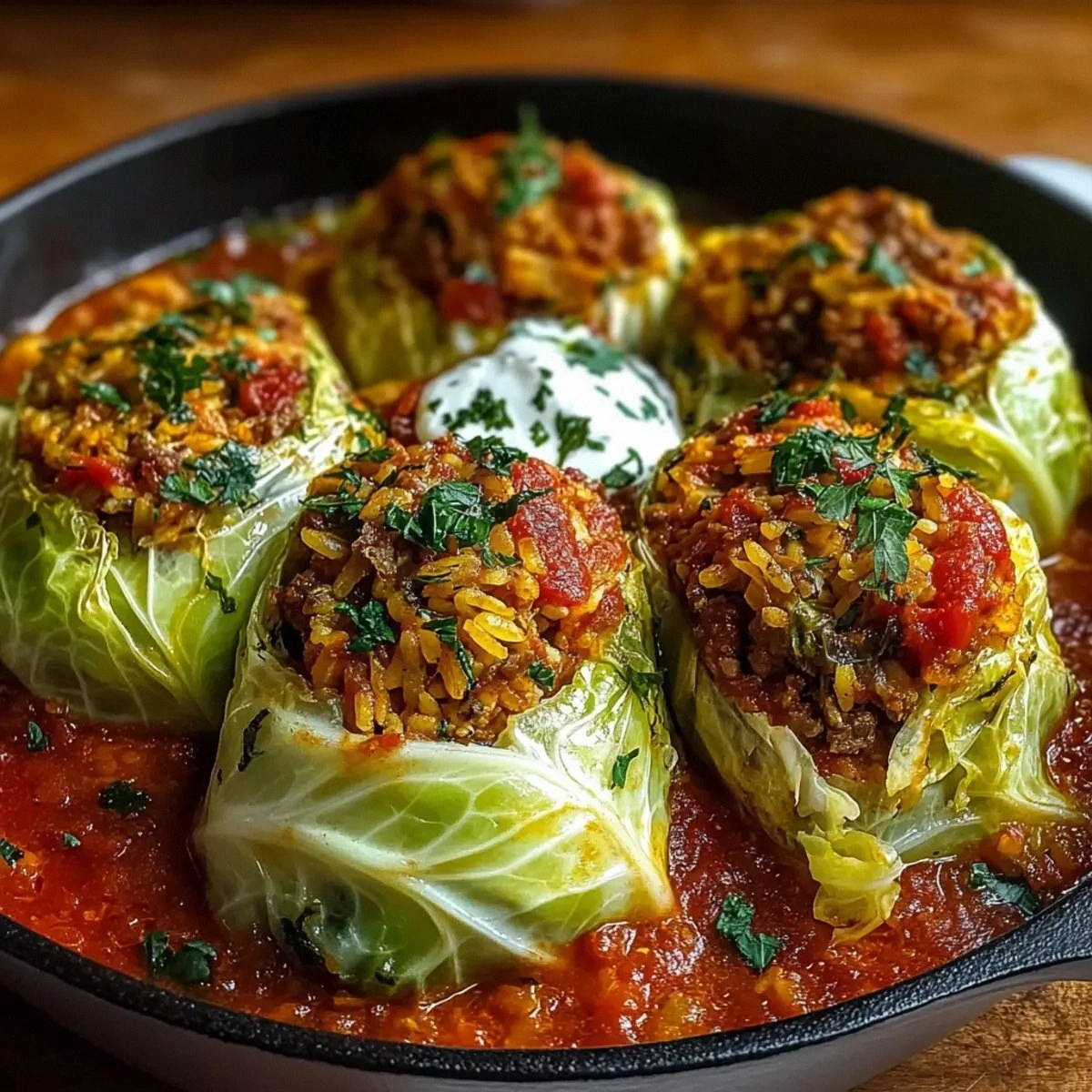
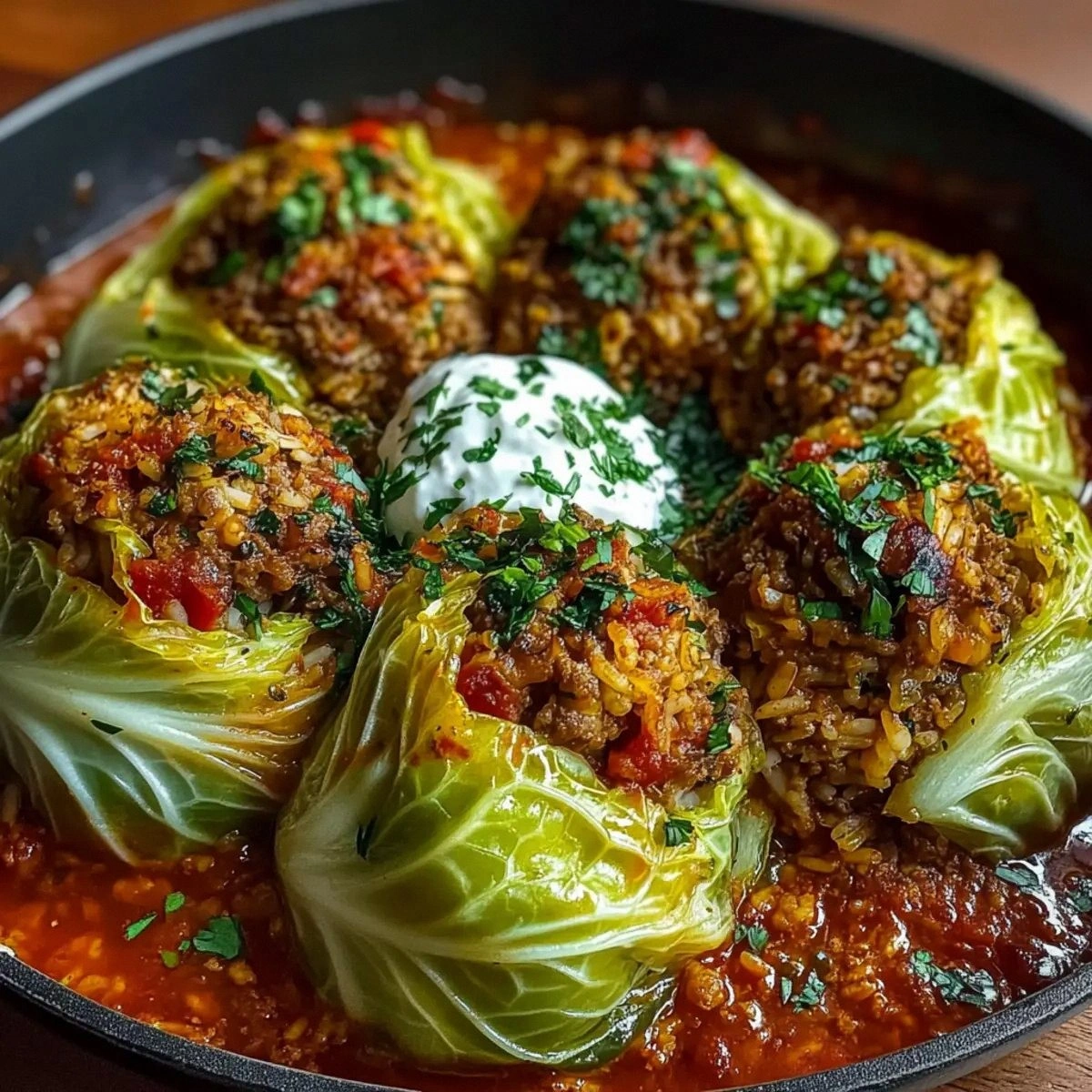
Fast forward a few hours, and the kitchen was filled with the intoxicating perfume of cinnamon, allspice, and simmering tomatoes. The cabbage leaves, once rigid and uncooperative, softened into pliable ribbons that wrapped around a fragrant, buttery filling. The sauce clung to each roll like a silken veil, glistening with pine nuts and raisins that popped with sweet‑savory bursts. The first bite? A harmonious explosion of juicy meat, tender rice, and that unmistakable Lebanese warmth that makes you close your eyes and imagine a bustling souk at sunset. I dare you to taste this and not go back for seconds.
Most recipes for stuffed cabbage either skimp on flavor or drown the meat in a soggy mess. I’ve tried the “quick” versions that tell you to steam the leaves for five minutes and then toss everything together—result: limp rolls that fall apart the moment you pick them up. This version? It’s hands down the best you’ll ever make at home because it respects each component. The secret lies in a few unexpected moves: a quick blanch to keep the leaves vibrant, a toast of pine nuts for that buttery crunch, and a splash of lemon juice right before serving to brighten the whole dish. If you’ve ever struggled with this, you’re not alone — and I’ve got the fix.
Okay, ready for the game‑changer? I’m about to walk you through every single step — from selecting the perfect cabbage to the final flourish of lemon‑kissed sauce. By the end, you’ll wonder how you ever made this dish any other way. Picture yourself pulling these rolls out of the oven, the whole kitchen smelling incredible, and your guests hovering for that second serving. Let’s dive in.
What Makes This Version Stand Out
- Flavor Explosion: The blend of Middle Eastern spices with sweet raisins and nutty pine nuts creates layers that keep you guessing with every bite.
- Texture Harmony: Tender cabbage, juicy meat, and fluffy rice meet a slight crunch from toasted nuts—no soggy leaves here.
- Simplicity: Only nine core ingredients, yet each one shines; you won’t need a pantry full of obscure items.
- Unique Twist: A splash of lemon juice at the end adds brightness that most recipes miss, turning the sauce from heavy to lively.
- Crowd Reaction: I’ve seen grown‑ups and kids alike beg for “just one more roll,” and that’s the ultimate validation.
- Ingredient Quality: Using fresh, organic cabbage and good‑quality lamb or beef makes the difference between “good” and “legendary.”
- Cooking Method: Blanching the leaves before rolling locks in color and prevents tearing, a step most shortcuts skip.
- Make‑Ahead Potential: Assemble a day ahead, refrigerate, and bake when you’re ready—perfect for busy weeknights.
Inside the Ingredient List
The Flavor Base
The star of any Lebanese dish is its spice blend. That tablespoon of Middle Eastern spices—typically a mix of allspice, cinnamon, and black pepper—does more than add heat; it creates a fragrant backbone that sings through the meat and rice. Skip it, and you’ll end up with bland rolls that taste like plain ground beef. If you can’t find a pre‑made blend, combine equal parts ground allspice and cinnamon, then add a pinch of cracked black pepper. For a deeper flavor, toast the spices in a dry skillet for 30 seconds before mixing them in.
The Texture Crew
Ground lamb or beef brings richness, but the key is to choose meat with a little fat—about 15‑20% is perfect. Too lean and the rolls will dry out; too fatty and they’ll feel greasy. The rice is the silent hero, absorbing the sauce and keeping the filling moist. Use long‑grain rice for a fluffy bite, and rinse it well before cooking to remove excess starch. The medium onion, finely diced, adds a subtle sweetness that balances the spices; sauté it until translucent to bring out its natural sugars.
The Unexpected Star
Pine nuts and raisins might seem like a novelty, but they’re the secret weapons that elevate this dish from ordinary to extraordinary. Pine nuts, when lightly toasted, release a buttery aroma that pairs beautifully with the earthy meat. Raisins add tiny pockets of sweetness that contrast the savory sauce, preventing it from feeling one‑dimensional. If you’re allergic to nuts, swap pine nuts for slivered almonds; the texture remains, though the flavor shifts slightly.
The Final Flourish
The 2 cups of tomato sauce are the glue that holds everything together. Use a high‑quality, no‑added‑sugar sauce, or make your own by simmering crushed tomatoes with a splash of olive oil, a pinch of salt, and a whisper of the same spice blend. The final tablespoon of lemon juice is the bright finish that cuts through the richness, adding a zing that makes the sauce feel light. If you’re out of lemons, a splash of pomegranate molasses can provide a similar tang with a hint of fruitiness.
Everything’s prepped? Good. Let’s get into the real action…
The Method — Step by Step
Start by bringing a large pot of salted water to a rolling boil. While you wait, carefully remove the outer leaves of the cabbage and set them aside; you’ll use these later to line the baking dish. Once the water is bubbling, submerge the whole head for 2‑3 minutes, just enough to soften the core without overcooking. Watch the color change: the leaves should turn a brighter, almost neon green. Drain and immediately plunge the cabbage into an ice bath to halt the cooking process. This shock preserves the vibrant hue and makes the leaves easier to separate.
Now comes the Kitchen Hack moment: while the cabbage cools, toast the pine nuts in a dry skillet over medium heat. Stir constantly; they’ll go from ivory to golden in 2‑3 minutes, releasing a nutty perfume that fills the kitchen. Transfer them to a plate and set aside. This step is pure magic because it adds depth that raw nuts simply can’t achieve.
Finely dice the onion and sauté it in a large skillet with a drizzle of olive oil over medium heat. Listen for that satisfying sizzle; it’s the sound of flavor building. Cook until the onion becomes translucent and starts to caramelize around the edges—about 5‑6 minutes. Add the ground lamb or beef, breaking it up with a wooden spoon. Brown the meat until it releases a rich, meaty aroma and turns a deep brown, about 8 minutes. Watch Out: If you crowd the pan, the meat will steam instead of brown, resulting in a bland filling.
Stir in the tablespoon of Middle Eastern spices, letting them toast lightly with the meat for 30 seconds. Then add the rinsed rice, raisins, and half of the toasted pine nuts. Mix everything until the rice is coated in the fragrant oil and spices. Finally, pour in the tomato sauce and bring the mixture to a gentle simmer. Let it cook for 5 minutes, just until the sauce thickens slightly and the rice starts to absorb the liquid. The sauce should smell sweet, tangy, and a hint of cinnamon—pure comfort.
While the filling simmers, start preparing the cabbage leaves. Gently peel off each leaf, trying to keep them whole. If a leaf tears, use a kitchen towel to patch it—think of it as a culinary Band‑Aid. Trim the thick vein at the base of each leaf with scissors; this makes rolling easier and ensures the roll stays tight.
Now for the fun part: place a heaping tablespoon of filling on the lower third of each leaf. Fold the sides over the filling, then roll tightly, tucking the tip underneath. The roll should be snug but not so tight that the filling bursts out. Arrange the rolls seam‑side down in a greased baking dish, layering any leftover cabbage leaves on top to protect them from direct heat.
Drizzle the remaining tomato sauce over the arranged rolls, making sure each roll is generously coated. Sprinkle the rest of the toasted pine nuts on top for a final crunchy garnish. Cover the dish tightly with foil—this traps steam and ensures the cabbage stays tender.
Slide the dish into a preheated oven at 350°F (180°C) and bake for 30‑35 minutes. Midway through, remove the foil and baste the rolls with the pan juices; this creates a glossy, caramelized finish. When the timer dings, squeeze the tablespoon of lemon juice over the hot rolls, letting the acid sizzle and mingle with the sauce. Let the dish rest for 5 minutes before serving; this allows the flavors to settle and the rolls to firm up just enough for a clean slice.
That's it — you did it. But hold on, I've got a few more tricks that'll take this to another level...
Insider Tricks for Flawless Results
The Temperature Rule Nobody Follows
Never bake stuffed cabbage rolls at a temperature higher than 350°F. Higher heat can cause the cabbage to shrivel and the filling to dry out. Keeping it moderate ensures even cooking and a tender leaf that doesn’t split. I once tried 425°F to “speed things up,” and the rolls emerged with burnt edges and a raw center. Trust the low‑and‑slow method, and you’ll get that perfect melt‑in‑your‑mouth texture every time.
Why Your Nose Knows Best
Use your sense of smell as a cooking gauge. When the meat is properly browned, you’ll detect a deep, earthy aroma; when the sauce is ready, a sweet‑tangy perfume will fill the kitchen. If you ever feel uncertain, take a quick sniff—your nose can tell you if the spices have toasted enough or if the sauce needs a touch more simmer.
The 5‑Minute Rest That Changes Everything
After the rolls come out of the oven, let them sit uncovered for exactly five minutes. This short rest lets the steam redistribute, making the cabbage leaves pliable and the sauce settle into the rice. Skipping this step results in rolls that are either too watery or too tight, making them difficult to slice.
Salt at the End, Not the Beginning
Season the filling lightly during the sauté, then taste the sauce just before baking. Adjust salt at the very end, because the reduction process concentrates flavors and can turn a lightly seasoned dish into a salty overload. A pinch of sea salt added after the final simmer is all you need.
Roll Size Consistency
Uniform rolls ensure even cooking. Aim for rolls about 3‑4 inches long and 1‑inch thick. If some rolls are larger, they’ll need extra baking time, and the smaller ones could overcook. Use a tablespoon to measure the filling each time; consistency is the secret to a professional look.
Creative Twists and Variations
This recipe is a playground. Here are some of my favorite ways to switch things up:
Vegetarian Delight
Swap the meat for a mixture of sautéed lentils, chopped mushrooms, and a dash of smoked paprika. The earthy lentils mimic the texture of ground meat, while the mushrooms add umami depth. Top with extra pine nuts for crunch.
Spicy Kick
Stir a teaspoon of harissa paste into the tomato sauce before baking. The smoky heat pairs beautifully with the sweet raisins, creating a balanced fire that will make heat‑seekers smile.
Herb‑Infused
Add a handful of fresh chopped parsley and mint to the filling just before rolling. The herbs brighten the dish, making it perfect for spring gatherings.
Cheesy Finish
Sprinkle crumbled feta or shredded halloumi over the rolls during the last 10 minutes of baking. The cheese melts slightly, forming a golden crust that adds a salty, creamy layer.
Sweet‑Savory Fusion
Incorporate a tablespoon of pomegranate molasses into the sauce for a tangy-sweet glaze. The ruby hue also makes the presentation pop, ideal for festive occasions.
Storing and Bringing It Back to Life
Fridge Storage
Allow the rolls to cool completely, then transfer them to an airtight container. They keep fresh for up to four days. When reheating, add a splash of water or extra tomato sauce, cover with foil, and warm in a 300°F oven for 15‑20 minutes.
Freezer Friendly
Wrap each roll individually in parchment paper, then place them in a freezer‑safe zip‑top bag. They’ll last three months. To reheat, thaw overnight in the fridge, then bake at 350°F for 25 minutes, basting with a little broth halfway through.
Best Reheating Method
The secret to reviving the rolls without drying them out is steam. Place a small pan of water on the bottom rack of a preheated oven, then bake the rolls covered with foil for 10 minutes. Remove the foil, add a drizzle of lemon juice, and finish for another 5 minutes. The steam re‑hydrates the cabbage, and the lemon brightens the sauce anew.