Love this? Pin it for later! 📌
There’s a moment every October when the first real chill slips through the crack beneath the front door, the farmers’ market bins suddenly overflow with knobby, dirt-clad jewels, and I remember—again—why roasted root vegetables are the quiet heroes of my kitchen. Last year I hosted a last-minute Sunday brunch for twelve college friends who “just happened” to be in town. While everyone else brought pastries and prosecco, I lined two sheet pans with parchment, scattered a rainbow of roots in cinnamon-scented olive oil, and shoved them into a hot oven. Ninety minutes later the apartment smelled like Thanksgiving and my guests were hovering, forks in hand, before I could even plate the food. Those pans fed us twice that weekend—once as a stand-alone side and again on top of lemony arugula with a jammy egg. Since then, this formula has become my Sunday ritual: chop, season, roast, cool, box, repeat. Whether you’re feeding a crowd, batch-cooking for the week, or simply craving the caramelized sweetness that only high-heat roasting can coax from winter produce, this guide will walk you through the most fool-proof, flavor-packed, meal-prep-friendly version of sheet pan root vegetables you’ll ever need.
Why This Recipe Works
- One pan, zero fuss: Everything roasts together—no blanching, no par-boiling, no extra dishes.
- Customizable sweetness: A kiss of maple amplifies natural sugars without turning dinner into dessert.
- Even-size trick: A single ¾-inch dice guarantees fork-tender insides and crispy, blistered edges.
- Meal-prep chameleon: Fold into grain bowls, puree into soup, or serve cold on salads.
- Freezer-friendly: Portion, freeze flat on the sheet, then bag for up to two months.
- Budget brilliance: Root veggies cost pennies per pound and stay fresh for weeks in cool storage.
- Vegan + gluten-free: Nourishes every eater at the table without label gymnastics.
Ingredients You'll Need
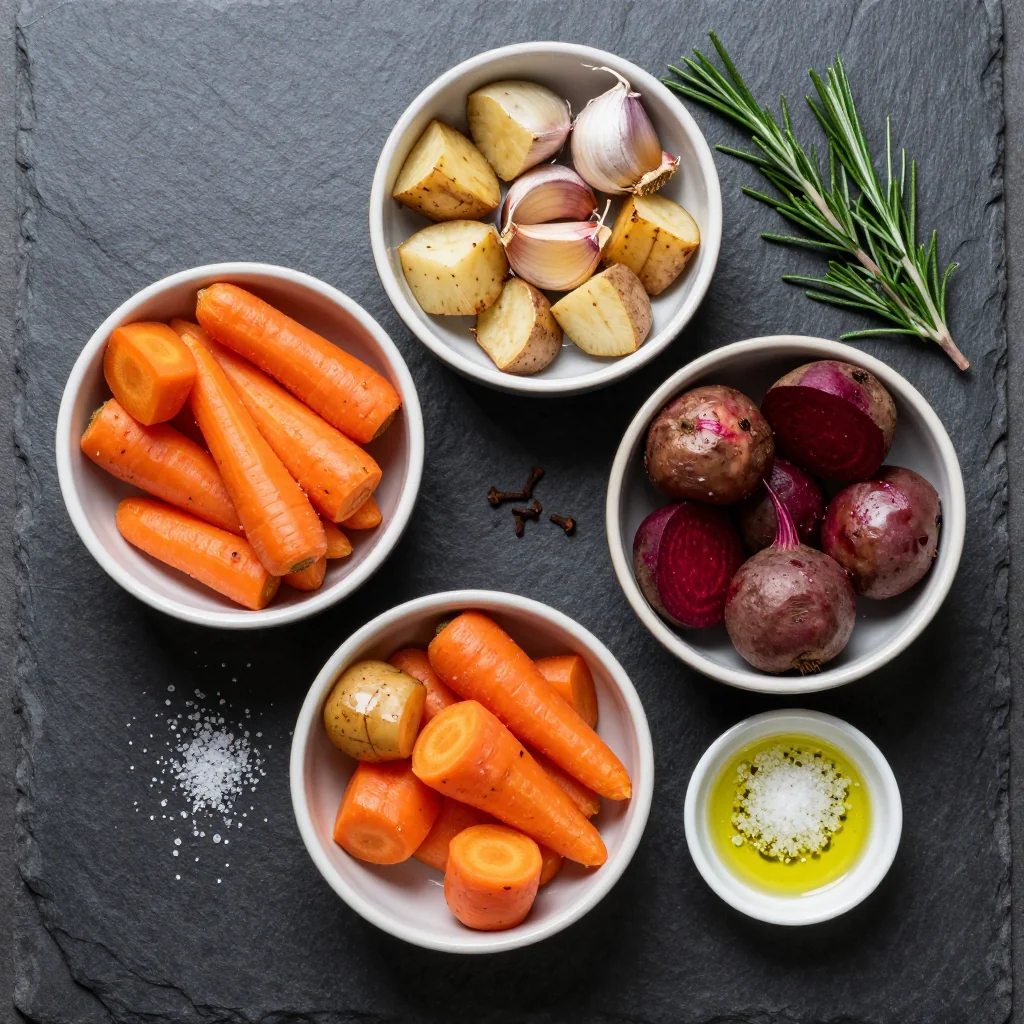
Think of the list below as a starting blueprint rather than a rigid formula. The only rule: aim for roughly equal weights of starchy and sweet roots so every bite feels balanced.
Beets—Choose firm, golf-ball-sized specimens; their earthy sweetness intensifies as they roast. Gold beets are milder and won’t stain your cutting board, while ruby beets bleed gorgeous jewel tones into the surrounding veg. If the greens are attached, save them for a quick sauté later.
Carrots—Rainbow bunches look gorgeous, but ordinary orange carrots deliver the deepest flavor. Skip the “baby-cut” bags; they’re often whittled-down mature carrots that dry out quickly. Instead, buy whole carrots with smooth skin and no cracks.
Parsnips—These ivory cousins of carrots become candy-sweet once caramelized. Select medium specimens; monster parsnips have woody, pithy cores. If you can only find large ones, quarter lengthwise and slice out the center stem before dicing.
Sweet Potatoes—Jewel or garnet varieties roast creamier than the drier Hannah. Peel only if the skin is blemished; most nutrients live just beneath the surface and thin skins crisp beautifully.
Red Onion—Their natural sugars melt into jammy wedges that perfume the entire tray. Soak cut slices in cold water for five minutes if you want to tame the raw bite.
Garlic—Leave cloves unpeeled; the skins protect them from scorching and turn the insides into mellow, spreadable paste. Squeeze out onto toast or mash into the final drizzle of vinaigrette.
Fresh Herbs—Woody rosemary and thyme withstand high heat. Strip leaves from stems, but toss the stems onto the pan too—they perfume the oil and can be discarded later.
Olive Oil—Reach for everyday extra-virgin; save the grassy finishing oil for after roasting. You need enough to coat every cube lightly—too little and the vegetables shrivel; too much and they steam.
Maple Syrup—A tablespoon is all it takes to accelerate browning and lacquer the edges. Honey works, but maple’s subtle smoke pairs magically with root vegetables.
Lemon Zest—Acid brightens the natural sugars and keeps the final flavor from tipping into dessert territory. Add zest before roasting; add juice only after the vegetables emerge so it stays vibrant.
Smoked Paprika—Optional, but a whisper adds campfire depth without overt spice. Sweet or hot paprika work in a pinch.
How to Make Easy Sheet Pan Roasted Root Vegetables for Meal Prep
Expert Tips
Double-Line for Zero Scrubbing
Lay one sheet of parchment perpendicular to another to catch every last sticky bit of maple. You’ll toss, not scrub.
Speed Peel with a Spoon
Use the back of a metal spoon to scrape thin-skinned ginger or beets; you’ll remove less flesh than with a peeler.
Oil Math
You need 1 tablespoon oil per pound of vegetables—no more, no less. Measure once and you’ll never second-guess.
Hot Pan, Cold Oil
Let the empty pans preheat 3 minutes before adding vegetables; the sizzle jump-starts caramelization.
Color Coordination
Roast beets on a separate corner or pan if you want to preserve the vivid orange of carrots and sweet potatoes.
Reheat Like a Pro
Spread cold veg on a dry skillet over medium heat for 4 minutes; they’ll re-caramelize instead of steaming.
Variations to Try
- Moroccan Spice: Swap maple for honey, add 1 tsp each cumin and coriander, ½ tsp cinnamon, and finish with chopped dates and toasted almonds.
- Balsamic-Parmesan: Replace lemon juice with balsamic vinegar and shower with shaved Parm during the last 5 minutes of roasting.
- Thai Coconut: Use melted coconut oil, add 1 Tbsp red curry paste to the oil, and garnish with cilantro, lime zest, and toasted coconut flakes.
- Breakfast Hash: Dice vegetables ½-inch, roast 25 minutes, then fold into cast-iron with baby spinach and crack four eggs on top for a one-pan brunch.
- Root & Fruit: Add 1-inch cubes of apple or pear for the final 12 minutes; the fruit’s acidity balances the earthiness.
Storage Tips
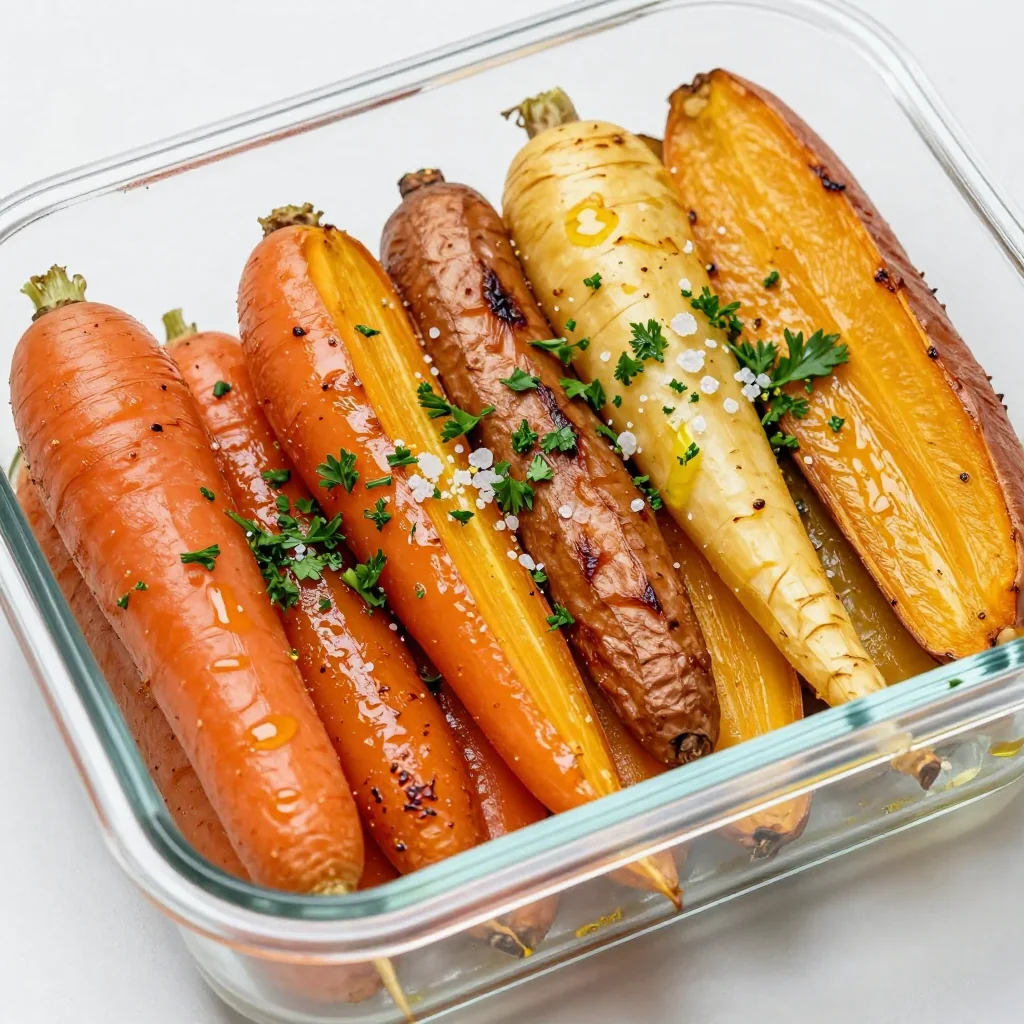
Refrigerator: Pack into airtight glass containers once fully cooled. They’ll keep five days without texture loss. Place a paper towel on top to absorb excess moisture.
Freezer: Arrange cooled vegetables in a single layer on the same sheet pan; freeze 2 hours, then transfer to reusable silicone bags. This prevents clumping and lets you pour out exact portions. Label with the date; quality peaks at two months.
Reheating: Oven delivers best texture—spread on sheet, spritz with oil, 400 °F for 8 minutes. Microwave is fastest but can steam; use 50 % power and cover loosely.
Creative Leftovers: Blend with stock for instant soup, mash into veggie burgers, or fold into omelet filling with goat cheese.
Frequently Asked Questions
Easy Sheet Pan Roasted Root Vegetables for Meal Prep
Ingredients
Instructions
- Preheat: Set racks in upper-middle and lower-middle positions. Preheat oven to 425 °F (220 °C). Line two rimmed sheet pans with parchment.
- Season: In a large bowl whisk oil, maple syrup, lemon zest, rosemary, thyme, salt, pepper, and smoked paprika. Add vegetables except beets; toss to coat.
- Separate beets: Toss beets in the same bowl with residual oil; this prevents staining the entire mix. Distribute all vegetables onto pans in a single layer; nestle garlic cloves among them.
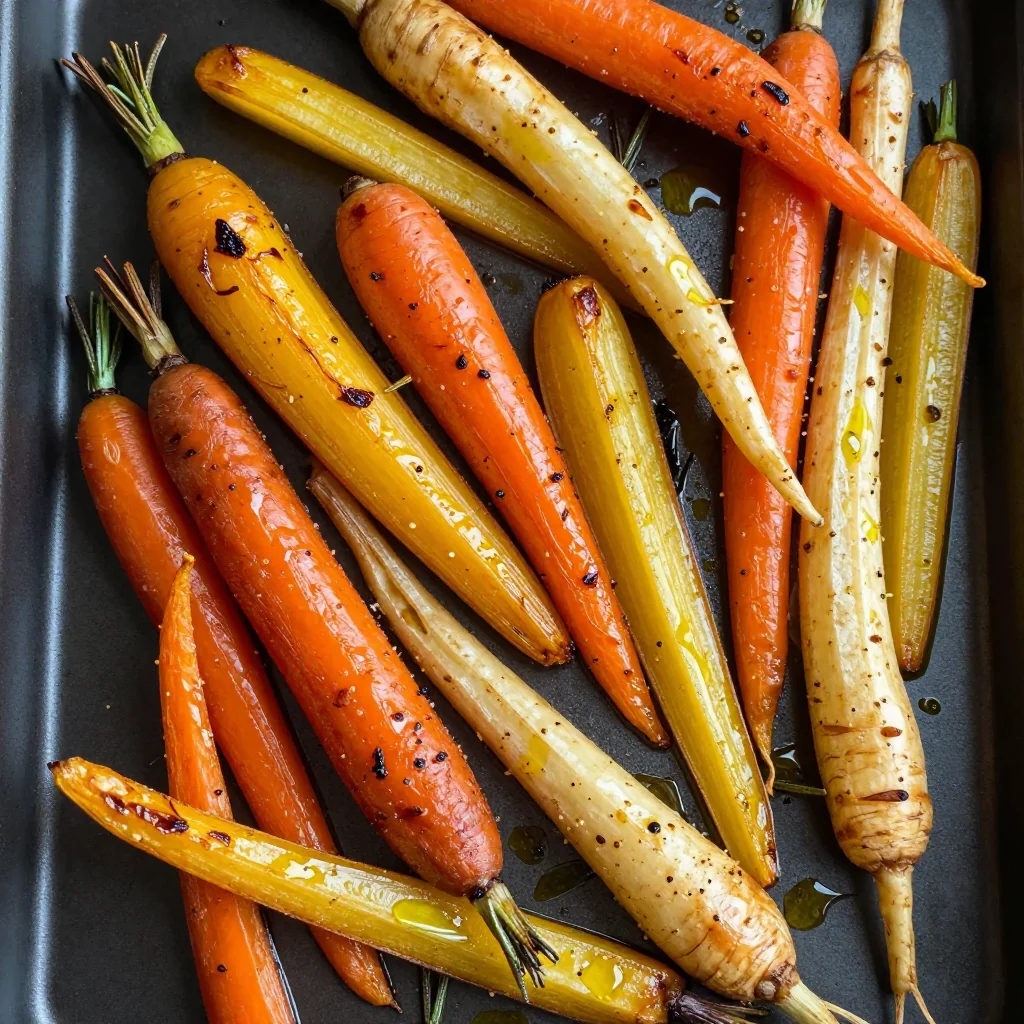
- Roast: Bake 20 minutes, flip with spatula, rotate pans, and bake 15–20 minutes more until tender and caramelized.
- Finish: Squeeze fresh lemon juice over vegetables, sprinkle with parsley, and serve hot or cool for meal-prep containers.
Recipe Notes
For extra crispy edges, broil on high for the final 2 minutes, watching closely to avoid burning.