Picture this: it’s a rainy Saturday afternoon, the kind that makes you want to crawl under a blanket with a mug of something warm, but you also hear that relentless inner voice screaming, “I need dessert!” I was in the middle of a kitchen disaster—my attempt at a classic cinnamon roll turned into a soggy, flavor‑less mess that could have passed for a failed science experiment. That moment sparked a dare from my roommate: “Make something that actually tastes like a cinnamon roll and a cake had a baby, and don’t ruin it.” I accepted, and the result is what I’m about to share—a sweet potato cinnamon roll cake that is, without exaggeration, the best version you’ll ever make at home.
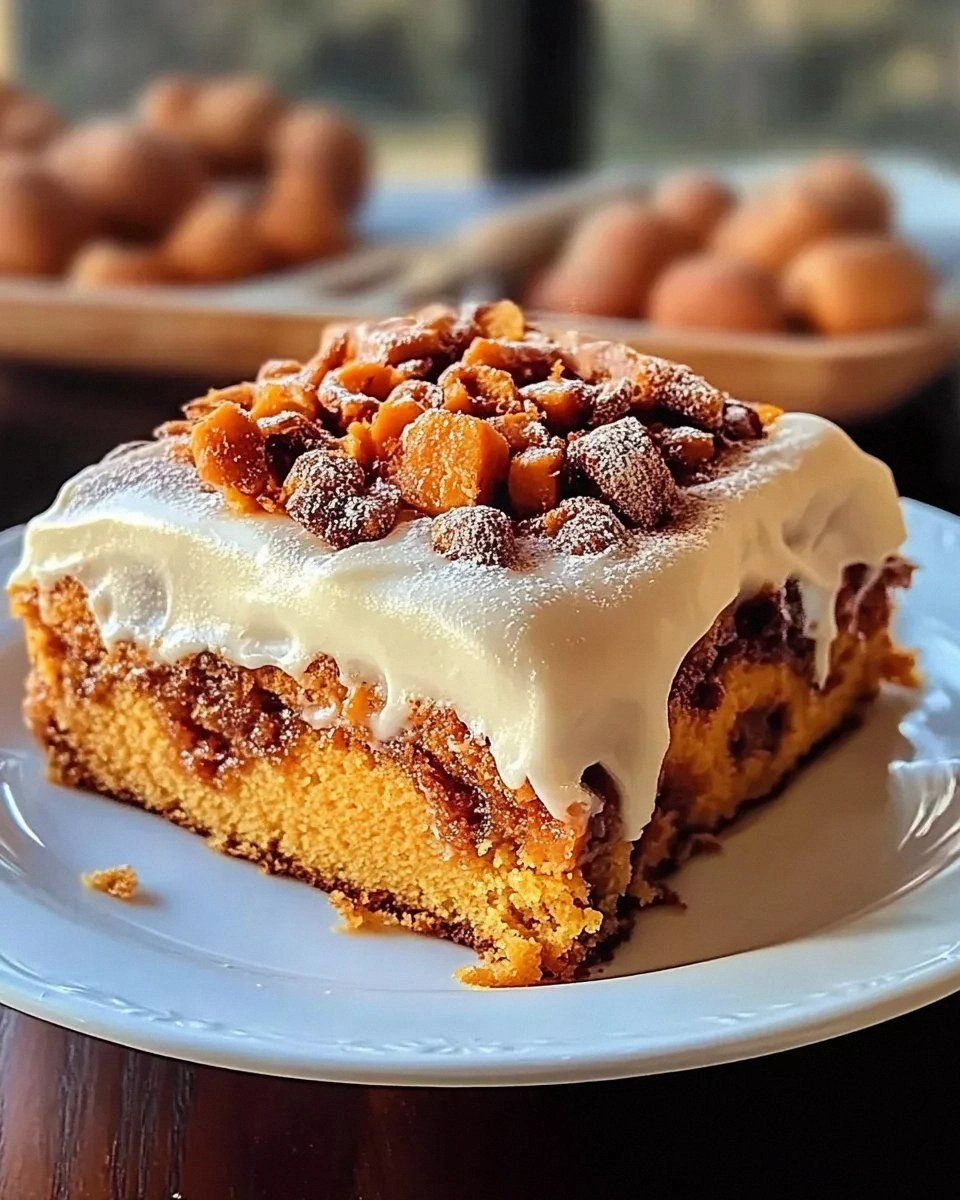
From the first moment the batter hits the bowl, you’ll notice the sweet aroma of roasted sweet potatoes mingling with the warm, spicy perfume of cinnamon and nutmeg. The kitchen fills with a scent that feels like autumn in a jar, even if it’s the height of summer. As the cake bakes, the edges begin to pull away from the pan, forming a caramelized crust that crackles like thin ice under a gentle footstep. When you finally pull it out, the top is a glossy, amber‑colored canvas, speckled with toasted pecans that add a buttery crunch. The first bite? A buttery, moist crumb that carries the earthiness of sweet potato, the sweet snap of brown sugar, and a swirl of cinnamon that coats your tongue like velvet.
Most cinnamon roll recipes get this completely wrong. They either drown you in frosting or leave you with a dry, rubbery texture that makes you question your life choices. This version, however, uses a simple leavening system—baking powder—so you skip the time‑consuming yeast rise, yet you still get that airy, pillowy interior. The sweet potato isn’t just a sneaky way to add moisture; it brings a natural sweetness that lets you cut back on refined sugar without sacrificing flavor. And the surprise? A quick glaze that finishes the cake with a glossy sheen, turning an ordinary bake into a show‑stopper.
Okay, ready for the game‑changer? The secret ingredient isn’t a secret at all—it’s the technique of folding the sweet potato puree into the batter just before it hits the oven, preserving those airy bubbles while still distributing that deep, caramel‑like flavor throughout. I dare you to taste this and not go back for seconds. Let me walk you through every single step — by the end, you’ll wonder how you ever made it any other way.
What Makes This Version Stand Out
- Flavor Fusion: Sweet potato adds natural sweetness and earthy depth, while cinnamon and nutmeg deliver that classic roll spice profile.
- Moisture Mastery: The puree keeps the crumb tender and prevents the dreaded dry bite that plagues most quick‑bread cakes.
- Simplicity: No yeast, no long proofing times—just baking powder and a handful of pantry staples.
- Visual Wow: The swirl of brown‑sugar butter and pecans creates a marble‑like pattern that looks as good as it tastes.
- Crowd‑Pleaser: Even the most skeptical sweet‑tooth skeptics admit this is hands down the best version you'll ever make at home.
- Make‑Ahead Magic: The cake freezes beautifully, and the glaze can be drizzled fresh when you’re ready to serve.
- Ingredient Quality: Using fresh, roasted sweet potatoes elevates the flavor beyond canned alternatives.
- Texture Balance: A crisp, caramelized crust meets a soft, cake‑like interior for a multi‑sensory experience.
Inside the Ingredient List
The Flavor Base
3 cups flour: The backbone of any cake, providing structure. If you substitute with whole‑wheat, expect a denser crumb and a nuttier flavor. For a gluten‑free version, use a 1‑to‑1 blend of rice flour, tapioca starch, and potato starch.
½ teaspoon nutmeg: Adds a warm, sweet undertone that pairs perfectly with cinnamon. Skipping it makes the spice profile feel one‑dimensional; a pinch of allspice can stand in if you’re out.
¼ teaspoon salt: Enhances all the other flavors and balances the sweetness. A pinch more can bring out the buttery notes in the glaze.
1 cup sugar: Provides sweetness and helps with browning. You could replace half with coconut sugar for a deeper caramel flavor.
4 teaspoons baking powder: The leavening agent that gives the cake its rise without yeast. Using too much will cause a bitter aftertaste, so measure precisely.
The Texture Crew
2 cups cooked sweet potatoes: These are the secret moisture keepers. They should be soft, mashed, and slightly cooled; hot potatoes can melt the butter prematurely.
1 ½ cups milk: Adds liquid for a smooth batter. Whole milk yields a richer crumb, while almond milk works for dairy‑free diets.
2 eggs: Bind the ingredients and trap air for lift. For a vegan twist, use 2 flax eggs (2 tbsp ground flax + 6 tbsp water, let sit).
2 teaspoons vanilla extract: The aromatic glue that ties the sweet and spice together. Pure vanilla extract makes a noticeable difference over imitation.
1 stick butter: Gives the batter a velvety mouthfeel and contributes to the golden crust. Melted butter should be cooled before mixing with the wet ingredients.
The Unexpected Star
½ cup brown sugar: This is folded into the cinnamon swirl, creating pockets of caramelized sweetness. Light brown sugar gives a milder flavor; dark brown adds a deeper molasses note.
1 tablespoon flour: Mixed with the butter and brown sugar, it creates a paste that stays soft during baking, preventing a gritty texture.
½ cup chopped pecans: Toasted pecans add a buttery crunch that contrasts the soft cake. If you’re allergic, walnuts or toasted almonds work well.
The Final Flourish
1 cup powdered sugar: The glaze’s main sweetener; it dissolves quickly for a smooth finish. Sift it to avoid lumps.
2 ½ tablespoons milk: Thins the glaze just enough to drizzle without running off the sides.
½ teaspoon vanilla extract (for glaze): Echoes the vanilla in the batter, creating a cohesive flavor loop.
Everything's prepped? Good. Let's get into the real action…
The Method — Step by Step
-
Preheat your oven to 350°F (175°C) and grease a 9‑inch round cake pan with a thin layer of butter, then dust it lightly with flour. This prevents the cake from sticking and gives the edges a head start on that coveted golden crust. While the oven warms, line the pan with parchment paper for an extra safety net—trust me, it’s a lifesaver if you over‑bake.
Kitchen Hack: Use a silicone baking mat instead of parchment; it sticks less and makes cleanup a breeze. -
In a large mixing bowl, whisk together the flour, baking powder, salt, nutmeg, and sugar. The dry ingredients should look uniformly speckled, like a perfectly blended snow globe. This step is crucial because any lumps of flour will turn into dense pockets in the final cake.
-
While the dry mix rests, mash the cooked sweet potatoes until they’re completely smooth—no chunks allowed. I like to use a potato ricer for that ultra‑silky texture. Add the milk, eggs, melted butter, and vanilla extract, then whisk until the mixture is glossy and slightly thickened. This wet mixture should smell faintly of butter and vanilla, a promising prelude to the final product.
-
Combine the wet and dry ingredients by gently folding them together with a rubber spatula. Stop mixing as soon as you see the last streaks of flour disappear; over‑mixing will develop gluten and make the cake tough. At this point, the batter should be thick but pourable—think of a lazy river that still holds its shape.
-
Now for the cinnamon swirl: melt the butter in a small saucepan, then stir in the brown sugar, the extra tablespoon of flour, and the nutmeg. Cook for about a minute until the mixture bubbles lightly and thickens into a paste. Remove from heat and fold in the chopped pecans. The aroma at this stage is pure comfort—cinnamon, butter, and toasted nuts dancing together.
Kitchen Hack: If the swirl mixture cools too quickly and hardens, gently reheat it over low heat, stirring constantly, until it’s pourable again. -
Pour the batter into the prepared pan, spreading it evenly with the spatula. Drop generous spoonfuls of the cinnamon‑pecan swirl on top—about ½ cup total. Using the tip of a butter knife, drag the swirl through the batter in a criss‑cross pattern, creating a marbled effect that will bake into gorgeous ribbons.
-
Slide the pan into the oven and bake for 30‑35 minutes. Around the 20‑minute mark, peek through the oven window; the edges should be pulling away and turning a deep amber, while the center still jiggles slightly—this is the perfect doneness cue. Watch Out: If the top starts to darken too quickly, loosely cover it with aluminum foil to prevent burning.
Watch Out: Opening the oven door too often will cause the cake to collapse; trust the timer and your senses. -
While the cake cools in the pan for 10 minutes, whisk together the powdered sugar, 2 ½ tablespoons milk, and the half‑teaspoon vanilla for the glaze. The mixture should be smooth, glossy, and pourable—if it’s too thick, add a few more drops of milk; if too runny, sift in a bit more powdered sugar.
-
Turn the cake out onto a wire rack, then drizzle the glaze over the top, letting it cascade down the sides. Let the glaze set for a few minutes before slicing. The final product should look like a glossy, caramel‑streaked masterpiece, ready to be devoured. That sizzle when it hits the pan? Absolute perfection.
That's it — you did it. But hold on, I've got a few more tricks that'll take this to another level…
Insider Tricks for Flawless Results
The Temperature Rule Nobody Follows
Never bake a cake straight from the fridge. Let the batter sit at room temperature for 10 minutes before sliding it into the oven. This small pause lets the butter soften just enough to create a more even rise. I once tried to rush the process and ended up with a dense, gummy center—lesson learned.
Why Your Nose Knows Best
When the cake is done, it will emit a sweet, toasted aroma that fills the kitchen. If you can smell the buttery cinnamon notes strongly, the interior is likely cooked through. Trusting your nose can be more reliable than a toothpick, which sometimes sticks to the sweet potato and gives a false negative.
The 5‑Minute Rest That Changes Everything
After you remove the cake from the oven, let it rest in the pan for exactly five minutes before turning it out. This brief rest allows the steam to finish the cooking process, preventing a soggy bottom while keeping the crumb tender. Skipping this step can cause the glaze to slide off and the cake to crumble.
Glaze Temperature Trick
Make the glaze with warm milk, not cold. Warm liquid dissolves the powdered sugar faster, creating a glossy finish without lumps. If you accidentally make it too thick, a splash of extra milk will bring it back to the perfect drizzling consistency.
Freeze‑Proofing the Cake
If you plan to freeze leftovers, wrap the cooled cake tightly in plastic wrap, then a layer of foil. When reheating, add a teaspoon of water to the pan and cover with foil; the steam revives the moisture, making each slice taste as fresh as day one.
Creative Twists and Variations
This recipe is a playground. Here are some of my favorite ways to switch things up:
Maple‑Pecan Delight
Swap half the brown sugar for pure maple syrup in the swirl and add an extra tablespoon of chopped pecans. The maple deepens the caramel notes, turning the cake into a perfect fall brunch centerpiece.
Chocolate Swirl Surprise
Replace the cinnamon‑brown‑sugar swirl with a mixture of melted dark chocolate, a pinch of espresso powder, and toasted hazelnuts. The bitter‑sweet contrast makes this version a hit for chocolate lovers.
Apple‑Cinnamon Fusion
Fold in ½ cup of finely diced, sautéed apples into the batter and increase the cinnamon by an extra ½ teaspoon. The apples add a juicy bite that pairs beautifully with the sweet potato base.
Vegan Velvet
Use coconut oil instead of butter, almond milk for the liquid, and flax eggs for binding. The result is a dairy‑free cake that still boasts that buttery crumb and luscious swirl.
Spiced Pumpkin Upgrade
Replace half of the sweet potatoes with canned pumpkin puree and add a dash of pumpkin pie spice. This creates a hybrid pumpkin‑sweet‑potato cake that screams holiday comfort.
Gluten‑Free Glory
Swap the all‑purpose flour for a blend of rice, tapioca, and potato starch (1:1:1 ratio). Add a tablespoon of xanthan gum to mimic gluten’s elasticity, and you’ll have a cake that’s just as tender.
Storing and Bringing It Back to Life
Fridge Storage
Place a slice or the whole cake in an airtight container and store it in the refrigerator for up to four days. The glaze will stay glossy, and the cake remains moist thanks to the sweet potato’s natural humectant properties.
Freezer Friendly
Wrap the cooled, unglazed cake tightly in plastic wrap, then foil, and freeze for up to three months. When you’re ready to serve, thaw overnight in the fridge, then reheat gently in a 300°F oven for 10‑12 minutes, adding a splash of water to the pan to steam the crumb back to life.
Best Reheating Method
For a single slice, microwave on medium power for 20‑30 seconds, then drizzle a tiny bit of fresh glaze on top. If you prefer oven reheating, cover the slice with foil and warm at 325°F for 8 minutes, adding a teaspoon of water to the pan to create steam.