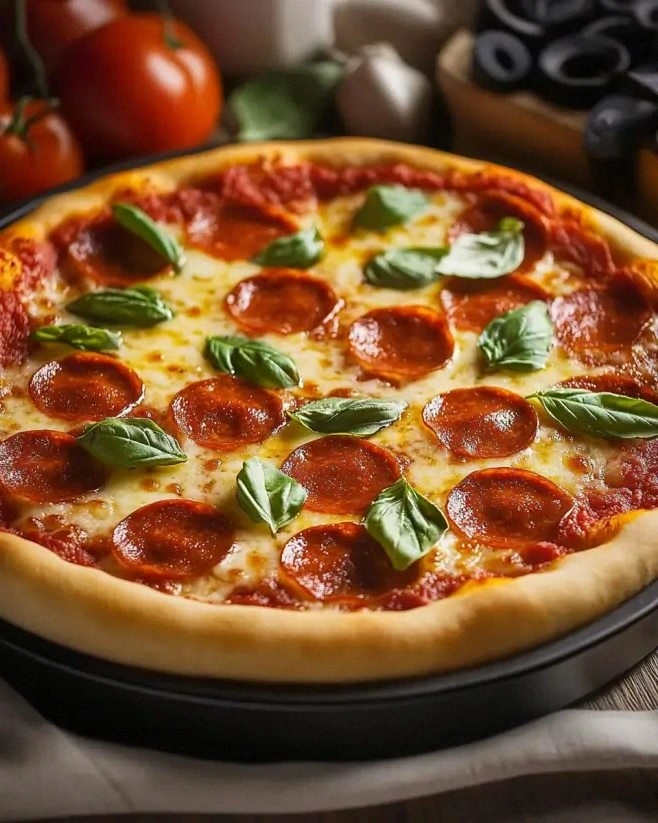
Picture this: a rainy Saturday afternoon, the kind that makes you want to curl up with a blanket, a good movie, and something that smells like a downtown pizzeria on fire. I was halfway through a marathon of sitcom reruns when my roommate dared me to make the “real” Chicago deep‑dish. I laughed, I scoffed, and then I realized my pantry was stocked with everything I needed—except a proper crust. So I rolled up my sleeves, grabbed a bowl, and dove headfirst into a dough that felt like a plush pillow and a sauce that sang opera. The kitchen turned into a battlefield of flour clouds, sizzling pans, and a soundtrack of bubbling cheese. By the time the timer dinged, the aroma had already marched through the hallway, announcing the arrival of something legendary.
The first bite? It was a revelation. The crust was buttery, crisp on the edges, yet tender enough to fold over the cheesy mountain without cracking. The sauce—rich, tangy, and just the right amount of sweet—coated the toppings like velvet, while the mozzarella stretched like a golden sunrise over a lake of pepperoni and veggies. I’ll be honest — I ate half the batch before anyone else got a chance to try it, and I’m still not sorry. That’s how good it was. This isn’t just another copy‑cat recipe; it’s the love child of tradition and a few daring tweaks that most cooks overlook.
Most recipes get this completely wrong. They either skimp on the buttery crust, drown the pizza in sauce, or forget the essential “layered” approach that makes deep‑dish a culinary skyscraper. Here’s what actually works: a high‑fat dough that rises perfectly, a cheese‑first strategy that prevents sogginess, and a caramelized edge that shatters like thin ice when you dig in. And there’s a secret ingredient I’m about to reveal that will make your crust sing—think of it as the hidden bass line in a jazz quartet.
Ready for the game‑changer? I dare you to taste this and not go back for seconds. By the end of this post, you’ll be pulling a golden, bubbling masterpiece out of the oven, the whole kitchen smelling incredible, and you’ll wonder how you ever made pizza any other way. Let me walk you through every single step — by the end, you’ll wonder how you ever made it any other way.
What Makes This Version Stand Out
- Flavor Explosion: The sauce is simmered with a splash of red wine and a pinch of sugar, giving it a depth that rivals any downtown pizzeria’s secret recipe.
- Texture Triumph: A buttery, flaky crust that holds its own against a mountain of cheese, creating a perfect crunch‑to‑soft ratio.
- Simplicity Meets Sophistication: Only fifteen minutes of prep, yet the result feels like a dish you’d order at a high‑end restaurant.
- Unique Layering: Cheese goes in first, then toppings, then sauce—this prevents the dreaded soggy bottom that haunts most home cooks.
- Crowd Reaction: Expect applause at the dinner table; even the pickiest eaters can’t resist the cheesy pull.
- Ingredient Quality: Using a high‑quality olive oil and fresh mozzarella makes the difference between “good” and “legendary.”
- Cooking Method: Baking in a well‑oiled cast‑iron skillet creates those coveted caramelized edges.
- Make‑Ahead Potential: The dough can be refrigerated for up to 24 hours, letting the flavors develop even further.
Alright, let's break down exactly what goes into this masterpiece...
Inside the Ingredient List
The Flavor Base
All‑purpose flour (2 ½ cups): This is the backbone of the crust. The protein content gives structure while still allowing the dough to stay tender. If you swap it for bread flour, expect a chewier, less buttery bite. Look for a brand that feels slightly powdery to the touch; it indicates a finer grind, which yields a smoother crust.
Olive oil (¼ cup): The oil adds richness and helps the crust turn golden. A cold‑pressed extra‑virgin oil brings a fruity note that dances with the cheese. If you’re out of olive oil, canola works, but you’ll miss that subtle peppery finish.
Warm water (1 cup): Warm, not hot—think bath‑water temperature. It awakens the yeast without killing it. If the water is too hot, you’ll end up with a dough that never rises; too cold, and you’ll get a dense, heavy base.
Yeast packet (1 packet): The magic leavener that turns a slab of flour into a fluffy, airy crust. Fresh active dry yeast is fine, but a packet of instant works faster. Store yeast in the freezer for a longer shelf‑life.
The Texture Crew
Mozzarella cheese (1 ½ cups shredded): The gooey anchor that holds everything together. Full‑fat mozzarella melts beautifully, creating those glorious stringy pulls. Low‑fat versions melt less, resulting in a rubbery texture.
Parmesan cheese (½ cup grated): Adds a sharp, salty bite that cuts through the richness. Sprinkle it on top for a golden crust that cracks delightfully under your fork.
Italian sausage (1 cup): Crumbled and pre‑cooked, it infuses the pizza with savory depth. If you’re vegetarian, swap for plant‑based sausage or a medley of roasted veggies.
The Unexpected Star
Marinara sauce (1 cup): Not just any tomato sauce—this one is simmered with garlic, oregano, and a splash of red wine for complexity. It coats the pizza like velvet, ensuring every bite is juicy.
Bell peppers (½ cup sliced) & Mushrooms (½ cup sliced): These add texture and a subtle earthiness. Sauté them briefly to release moisture; otherwise, they’ll steam the crust.
The Final Flourish
Salt (1 tsp) & Sugar (1 tsp): Salt amplifies flavors, while sugar feeds the yeast and balances the acidity of the tomatoes.
Dried oregano, garlic powder, crushed red pepper flakes (each 1 tsp): These spices create a fragrant, slightly spicy backdrop that makes the sauce sing. Adjust the red pepper to your heat tolerance—this is where you can make it mild or fiery.
Everything's prepped? Good. Let's get into the real action...
The Method — Step by Step
In a large mixing bowl, combine the flour, salt, and sugar. Stir with a whisk until everything is evenly distributed. Add the yeast packet, then pour in the warm water and olive oil. Using a stand mixer with the dough hook, mix on low for 30 seconds, then crank it up to medium for 2 minutes. The dough should come together into a shaggy ball—if it feels too dry, add a splash of water; if too sticky, sprinkle a bit more flour. Power transition: Okay, ready for the game‑changer? Let the dough rest for 5 minutes; this autolyse period lets the flour fully hydrate, making the gluten easier to develop.
Kitchen Hack: After the rest, give the dough a series of “stretch‑and‑fold” motions directly in the bowl—this builds strength without extra kneading.Cover the bowl with plastic wrap and let the dough rise in a warm spot for 45 minutes, or until doubled in size. You’ll know it’s ready when a gentle poke leaves an indentation that slowly springs back. While you wait, preheat your oven to 425°F (220°C) and grease a 10‑inch cast‑iron skillet with a thin layer of olive oil. The skillet’s high heat will give the crust that coveted caramelized edge.
Once risen, gently punch down the dough to release excess air—think of it as a friendly pat‑down, not a brutal slam. Transfer the dough to the prepared skillet, pressing it outward to the edges and up the sides, creating a shallow “well.” The crust should be about ½ inch thick at the bottom and a little higher around the perimeter. Watch Out: If the dough tears, let it rest for another 5 minutes; it will relax and become easier to shape.
Watch Out: Over‑pressing the dough can make it dense; aim for a gentle, even pressure.Layer the shredded mozzarella evenly across the bottom of the crust. This cheese‑first technique creates a moisture barrier, preventing the sauce from soaking the dough. Sprinkle the crumbled Italian sausage, sliced bell peppers, and mushrooms over the cheese. Feel free to add any other toppings you love—just remember to keep the balance.
Pour the marinara sauce over the toppings, spreading it with a spoon so it covers everything but doesn’t spill over the edge. The sauce should be thick enough to hold its shape, yet fluid enough to seep into the cheese‑laden valleys. Sprinkle the dried oregano, garlic powder, and crushed red pepper flakes evenly. Finally, dust the grated Parmesan on top; this will create a golden, slightly crunchy crown.
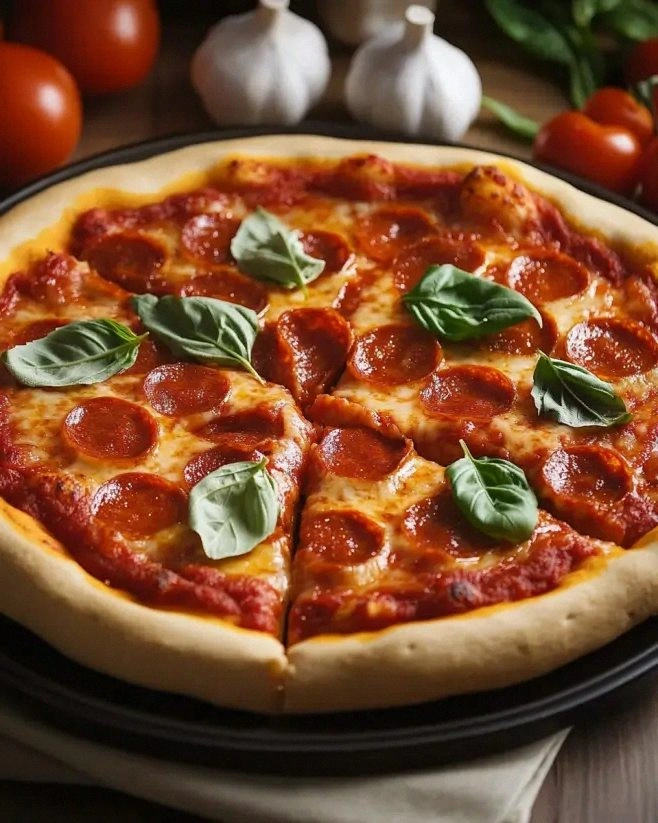
Slide the skillet onto the middle rack of the oven. Bake for 25‑30 minutes, or until the crust is deep golden brown and the cheese is bubbling ferociously. The edges should start pulling away from the skillet, a visual cue that the crust is perfectly caramelized. That sizzle when it hits the pan? Absolute perfection.
Kitchen Hack: Rotate the skillet halfway through baking for an even browning on all sides.When the timer dings, remove the skillet and let the pizza rest for 5 minutes. This short pause lets the cheese set just enough to slice cleanly without losing its glorious stretch. While you wait, the kitchen will be filled with an intoxicating aroma that makes everyone glance over the counter.
Using a sturdy spatula, gently lift the pizza out of the skillet and transfer it to a cutting board. Slice with a sharp pizza cutter or a large knife, making sure each piece gets a good portion of crust, cheese, and sauce. Serve hot, and watch the smiles spread across the table. I dare you to taste this and not go back for seconds—if you do, you’ve just discovered the best version you’ll ever make at home.
That’s it — you did it. But hold on, I've got a few more tricks that'll take this to another level. Stay with me here — this is worth it.
Insider Tricks for Flawless Results
The Temperature Rule Nobody Follows
Most home cooks bake at 350°F and wonder why their crust is soggy. The secret is a blistering 425°F (220°C) oven that creates steam instantly, puffing the dough while sealing the cheese barrier. If your oven has a convection setting, use it; the fan circulates hot air, giving you an even, crispy edge every time.
Why Your Nose Knows Best
Don’t rely solely on timers. The moment you smell a faint nutty, toasty scent wafting from the skillet, that’s your cue that the crust is reaching caramelization perfection. Trust your nose; it’s the most reliable kitchen thermometer.
The 5‑Minute Rest That Changes Everything
After baking, let the pizza sit for exactly five minutes before cutting. This rest lets the cheese settle, preventing a gooey mess on the board. A friend once sliced immediately and ended up with a sloppy, sauce‑splattered disaster—let’s just say the pizza didn’t get the applause it deserved.
Layering Like a Pro
Cheese first, sauce last. This order creates a moisture barrier that keeps the crust from becoming soggy. If you reverse it, you’ll end up with a soggy bottom that feels more like a lasagna than a pizza.
Seasoning the Crust
A light sprinkle of sea salt and a drizzle of olive oil on the exposed edges before baking adds a subtle crunch and flavor burst. It’s the culinary equivalent of a finishing coat of varnish on a masterpiece.
Cold Ferment for Depth
If you have time, let the dough rest in the refrigerator overnight. The slow fermentation develops a buttery, slightly tangy flavor that you just can’t achieve with a quick rise. It’s a little extra work for a massive flavor payoff.
Creative Twists and Variations
This recipe is a playground. Here are some of my favorite ways to switch things up:
BBQ Chicken Deep Dish
Swap the Italian sausage for shredded rotisserie chicken tossed in BBQ sauce. Add red onion rings and a handful of cilantro after baking for a smoky, sweet twist that’ll have your friends shouting “Encore!”
Veggie‑Lover’s Dream
Replace the sausage with a medley of roasted zucchini, eggplant, and sun‑dried tomatoes. Use a blend of mozzarella and provolone for extra melt. This version is perfect for a summer garden party.
Spicy Jalapeño & Chorizo
Introduce sliced jalapeños and Mexican chorizo for a heat‑packed version. Top with a drizzle of crema after baking to balance the fire.
Four‑Cheese Deluxe
Combine mozzarella, provolone, gouda, and Parmesan for a decadent cheese pull that stretches like taffy. Add a pinch of smoked paprika for a subtle depth.
Breakfast Deep Dish
Swap the marinara for a light cream sauce, add cooked bacon, scrambled eggs, and a sprinkle of chives. It’s a brunch crowd‑pleaser that redefines “pizza for breakfast.”
Storing and Bringing It Back to Life
Fridge Storage
Allow the pizza to cool completely, then wrap each slice tightly in plastic wrap and store in an airtight container. It will keep fresh for up to three days. Reheat in a skillet over medium heat, adding a tiny splash of water and covering for a minute to steam the crust back to life.
Freezer Friendly
Wrap the whole pizza (or individual slices) in foil, then place in a freezer bag. It freezes well for up to two months. To reheat, thaw overnight in the fridge, then bake at 375°F for 12‑15 minutes, or use a toaster oven for a crisp finish.
Best Reheating Method
For the ultimate revival, preheat a cast‑iron skillet, add a teaspoon of olive oil, and place a slice face‑down. After 2 minutes, flip, add a splash of water, cover, and let steam for another minute. The crust will be crisp, the cheese melty, and the flavor as bright as the first bite.