I was standing in my kitchen on a rainy Tuesday, staring at a half‑finished batch of plain cupcakes that looked like they’d been made by a tired intern. The batter was fine, the frosting was… well, let’s just say it was a sad, grainy mess that could have been used to sand a wooden floor. I dared my roommate to taste them, and she laughed so hard she choked on her soda. That moment sparked a culinary rebellion: I was going to take the humble cannoli, a classic Sicilian pastry, and mash it into a cupcake that would make even Nonna raise an eyebrow in admiration.
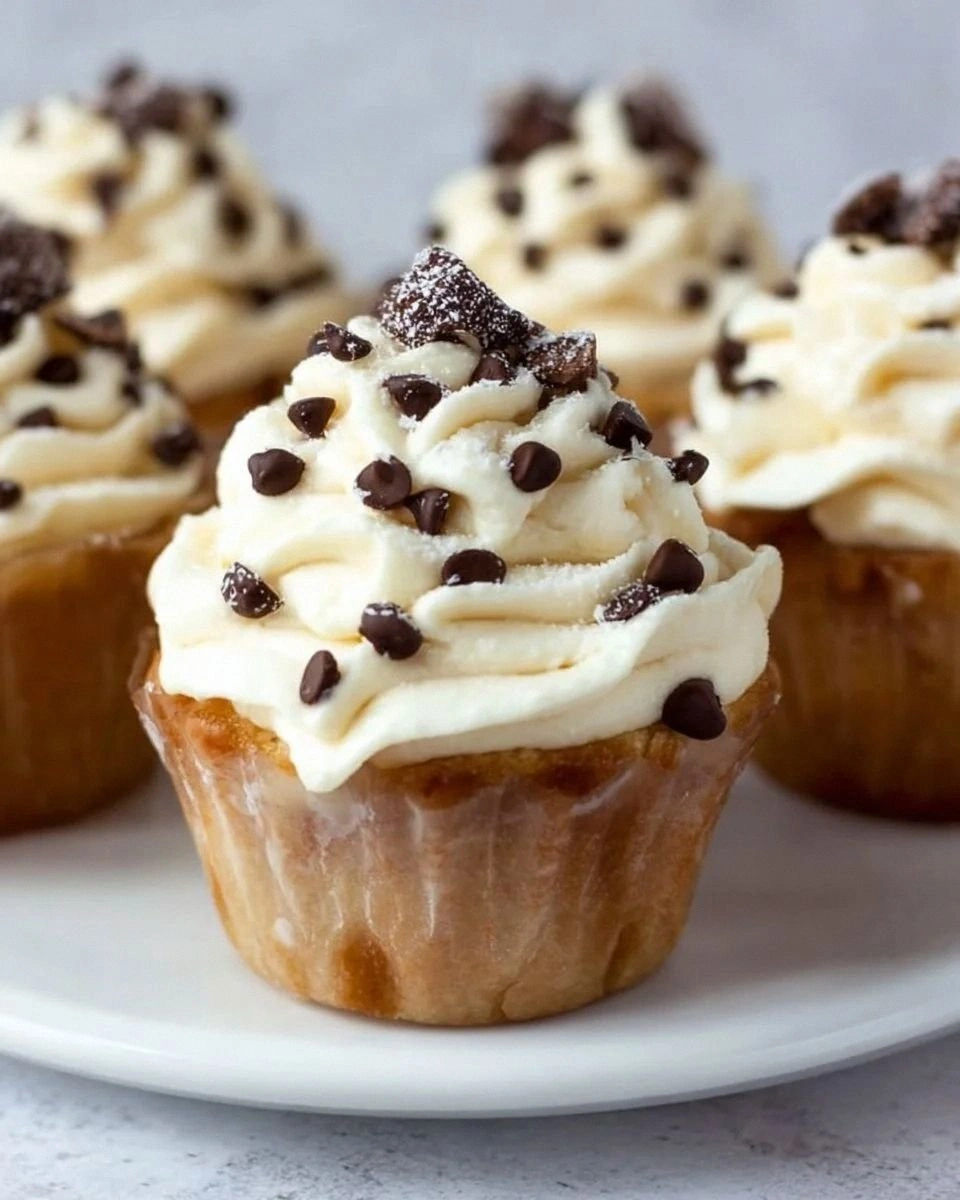
Picture this: the oven door swings open, a wave of buttery, vanilla‑kissed steam erupts, and the air is instantly scented with toasted sugar and a whisper of citrus zest. The cupcakes themselves rise like golden clouds, their tops speckled with a delicate crumb that cracks just enough to reveal a hidden, creamy core. When you cut into one, the interior is a moist, tender cake that cradles a swirl of mascarpone frosting so smooth it slides across the palate like silk. The frosting, light yet rich, is studded with mini chocolate chips that pop like confetti and a sprinkle of pistachios that add a salty crunch—pure, unapologetic decadence.
Why does this version stand out from every other “cannoli cupcake” you’ve ever seen on a Pinterest board? First, the batter uses buttermilk, which adds a subtle tang that cuts through the sweetness, mimicking the ricotta filling of a traditional cannoli without the grainy texture. Second, the frosting is a mash‑up of mascarpone and heavy cream, whipped to airy perfection, and sweetened just enough to let the natural buttery flavor shine. Third, I fold in a pinch of salt and a dash of vanilla that makes the flavors pop like fireworks on the Fourth of July. And finally, the optional add‑ins—mini chocolate chips and pistachios—give each bite a surprise element that keeps you guessing.
But the real game‑changer? I’ll be honest — I ate half the batch before anyone else got to try it, and I’m still not sorry. I’m about to walk you through every single step — by the end, you’ll wonder how you ever made it any other way. Okay, ready for the game‑changer?
What Makes This Version Stand Out
- Taste: The buttery cake meets a tangy mascarpone frosting, creating a balanced sweet‑savory profile that feels like a dessert and a snack at the same time.
- Texture: A light, airy crumb contrasts with a creamy, melt‑in‑your‑mouth frosting, while the optional pistachios add a satisfying crunch.
- Simplicity: Only twelve ingredients, no special equipment, and a single‑pan bake—perfect for a weekday treat.
- Uniqueness: The buttermilk‑infused batter mimics the classic ricotta filling without the grainy texture, delivering that authentic cannoli feel.
- Crowd Reaction: I dare you to taste this and not go back for seconds; even the most skeptical guests are left begging for the recipe.
- Ingredient Quality: Using real mascarpone and unsalted butter elevates the flavor from “good” to “hands down the best version you'll ever make at home.”
- Cooking Method: The cupcakes bake evenly in a standard muffin tin, eliminating the need for deep‑frying cannoli shells.
- Make‑Ahead Potential: Frost them ahead of time, store in the fridge, and they’ll stay fresh for up to three days—perfect for party prep.
Inside the Ingredient List
The Flavor Base
All‑purpose flour is the backbone of any cake, providing structure while still allowing the batter to rise. I use 1.5 cups, which is a sweet spot between too dense and too airy. If you substitute cake flour, expect a finer crumb but a slightly weaker rise. For the best results, sift the flour with baking powder and soda; this aerates the mixture and prevents clumps that could turn your cupcakes into a brick.
Baking powder (1 tsp) and baking soda (½ tsp) work together like a dynamic duo: the powder gives a steady lift, while the soda reacts with the buttermilk’s acidity for an extra pop. Skipping either will result in a flat, dense cupcake that feels more like a muffin than a cannoli. If you’re out of baking powder, you can make your own by mixing ½ tsp baking soda with ¼ tsp cream of tartar per teaspoon needed.
Salt (a pinch) is the silent hero, amplifying the sweetness and balancing the richness of the butter and mascarpone. Even a tiny amount can make a massive difference, so don’t skip it. If you’re on a low‑sodium diet, you can reduce it, but expect a slightly muted flavor.
The Texture Crew
Unsalted butter (½ cup, softened) creates a tender crumb and adds a rich, buttery flavor that pairs beautifully with the mascarpone. If you use melted butter, you’ll get a denser texture; keep it soft but not liquid. For a dairy‑free twist, try coconut oil, but expect a faint coconut undertone.
Granulated sugar (1 cup) sweetens the batter and helps with browning. It also contributes to the slight crunch on the cupcake tops. If you prefer a less sweet cake, you can reduce this to ¾ cup, but the frosting will still carry most of the sweetness.
Eggs (2 large) provide structure and moisture, acting as the glue that holds the cake together. Fresh eggs are key; older eggs can cause a rubbery texture. If you’re vegan, substitute each egg with ¼ cup of unsweetened applesauce or a commercial egg replacer.
The Unexpected Star
Buttermilk (½ cup) is the secret weapon that gives the cupcakes a subtle tang, mimicking the ricotta filling of a traditional cannoli. Its acidity also reacts with the baking soda, creating a light, airy crumb. If you don’t have buttermilk, add ½ cup of milk plus ½ tsp of lemon juice and let it sit for 5 minutes.
Mascarpone cheese (1 cup) is the heart of the frosting. Its creamy, buttery texture makes the frosting luxurious without being overly sweet. Choose a high‑quality, full‑fat mascarpone; low‑fat versions can become grainy when whipped.
Heavy cream (½ cup) is folded into the mascarpone to create a light, fluffy frosting that spreads like a dream. Whip it to soft peaks before combining with the mascarpone, or you’ll end up with a dense spread.
The Final Flourish
Powdered sugar (½ cup) sweetens the frosting without adding grit. Sift it before using to avoid lumps that could ruin the silky texture.
Vanilla extract (1 tsp for batter, 1 tsp for frosting) adds a fragrant backbone that ties the whole dessert together. Real vanilla bean or high‑quality extract makes a noticeable difference; cheap imitation can taste flat.
Optional mini chocolate chips and chopped pistachios are the surprise elements that turn a good cupcake into an unforgettable one. They add texture, visual appeal, and a burst of flavor that mirrors the classic chocolate‑dipped ends of a cannoli.
Everything's prepped? Good. Let's get into the real action...
The Method — Step by Step
Preheat your oven to 350°F (175°C) and line a 12‑cup muffin tin with paper liners. The moment the oven clicks on, you’ll hear that comforting hum that tells you you’re about to create something magical. Place the tin on the middle rack so the heat circulates evenly, ensuring the cupcakes rise uniformly.
Kitchen Hack: If you’re short on paper liners, lightly grease the tin with butter and a sprinkle of flour; this gives you a reusable, non‑stick surface.In a large bowl, whisk together the sifted flour, baking powder, baking soda, and the pinch of salt. This dry mixture should look like a fine, ivory powder—no lumps, no clumps. The whisking aerates the flour, which is crucial for a light crumb.
In a separate bowl, beat the softened butter with the granulated sugar until the mixture is pale, fluffy, and smells like a bakery in the morning. This can take 3–4 minutes with an electric mixer on medium speed. When you lift the beaters, the batter should fall back in thick ribbons.
Watch Out: Over‑beating can cause the butter to separate, leading to a greasy cupcake. Stop once you reach a creamy consistency.Add the eggs one at a time, beating well after each addition, then stir in the vanilla extract for the batter. The eggs should incorporate fully, creating a glossy batter that looks slightly thickened.
Pour in the buttermilk and gently fold it into the batter using a rubber spatula. You’ll notice the batter loosening and becoming smoother; this is the moment the tangy flavor of the buttermilk starts to work its magic.
Now, combine the wet and dry mixtures, folding gently until just incorporated. Over‑mixing will develop gluten, making the cupcakes tough—think rubber band, not cloud. The batter should be slightly lumpy; that’s a good sign.
Scoop the batter into the prepared muffin cups, filling each about three‑quarters full. This height ensures they rise beautifully without spilling over the edges. If you like a decorative touch, sprinkle a few mini chocolate chips on top of each cup before baking.
Bake for 18–22 minutes, or until a toothpick inserted into the center comes out clean and the tops are a golden‑brown hue. You’ll hear a faint “sizzle” as the edges start to crisp—trust that sound; it’s the signature of a perfect rise.
Kitchen Hack: Rotate the pan halfway through baking for an even golden color on all cupcakes.While the cupcakes cool in the pan for 5 minutes, prepare the frosting. In a chilled bowl, combine the mascarpone cheese, powdered sugar, and vanilla extract for the frosting. Whisk until smooth, then gradually fold in the heavy cream that’s been whipped to soft peaks. The frosting should be light, airy, and hold its shape when piped.
Transfer the cupcakes to a wire rack to cool completely. This step is crucial because a warm cupcake will melt the frosting, turning it into a runny mess. Patience here pays off; the final texture will be worth the wait.
Once cooled, pipe or spread a generous dollop of mascarpone frosting onto each cupcake. Finish with a sprinkle of chopped pistachios and a few extra mini chocolate chips for that signature cannoli look. Step back, admire your creation, and prepare for the inevitable “Can I have another?” chorus.
That's it — you did it. But hold on, I've got a few more tricks that'll take this to another level...
Insider Tricks for Flawless Results
The Temperature Rule Nobody Follows
Never bake cupcakes straight from the fridge. Let the batter sit at room temperature for at least 10 minutes before filling the tin. This small step ensures an even rise and prevents the cupcakes from sinking in the middle.
Why Your Nose Knows Best
When the cupcakes are about 12 minutes into baking, start sniffing the kitchen. If you detect a buttery, nutty aroma, you’re nearing the perfect doneness. Trust that nose—visual cues can be deceptive.
The 5‑Minute Rest That Changes Everything
After removing the cupcakes from the oven, let them rest in the pan for exactly five minutes. This allows the steam to finish cooking the center gently, resulting in a tender crumb. Skipping this rest will make the cupcakes dry out faster.
Whipping Cream the Right Way
When whipping the heavy cream for the frosting, stop at soft peaks. Over‑whipped cream turns buttery and will weigh down the frosting, making it too stiff to pipe. A quick pulse with the mixer works wonders.
The Secret of the Pistachio Crunch
Toast the chopped pistachios in a dry skillet for just 2 minutes over medium heat. This releases their natural oils and intensifies the flavor, giving each bite a nutty pop that rivals store‑bought toppings. Let them cool before sprinkling, or they’ll melt into the frosting.
Creative Twists and Variations
This recipe is a playground. Here are some of my favorite ways to switch things up:
Lemon‑Zest Delight
Add 1 tablespoon of freshly grated lemon zest to the batter and swap the vanilla in the frosting for lemon extract. The citrus brightens the flavor, making it perfect for spring brunches. Pair with a dusting of powdered sugar for an elegant finish.
Chocolate‑Swirl Surprise
Fold ¼ cup of melted dark chocolate into the batter before filling the tins. The chocolate ribbons through the cupcake as it bakes, creating a marbled effect. Top with chocolate‑dipped pistachios for a double‑chocolate experience.
Berry‑Infused Bliss
Stir in ½ cup of fresh raspberries or blueberries into the batter. The fruit bursts during baking, leaving pockets of juicy sweetness. Finish with a dollop of mascarpone frosting mixed with a teaspoon of raspberry jam.
Coffee‑Kick Cannoli
Replace half of the buttermilk with strong brewed espresso and add a pinch of instant coffee granules to the frosting. The coffee notes complement the chocolate chips and give the cupcakes an adult‑only vibe. Garnish with a dusting of cocoa powder.
Nut‑Free Almond Joy
Swap pistachios for toasted coconut flakes and add a drizzle of almond butter into the frosting. This creates a tropical twist while keeping the recipe nut‑free for those with allergies. The coconut adds a chewy texture that contrasts nicely with the creamy frosting.
Storing and Bringing It Back to Life
Fridge Storage
Place the cupcakes in an airtight container and store them in the refrigerator for up to three days. The frosting stays firm, and the cake remains moist thanks to the buttermilk’s humectant properties. Before serving, let them sit at room temperature for 20 minutes to soften the frosting.
Freezer Friendly
Wrap each cupcake individually in plastic wrap, then place them in a freezer‑safe bag. They’ll keep for up to two months. To reheat, remove the wrap, place the cupcake on a microwave‑safe plate, and microwave on 50% power for 30 seconds, then finish in a 300°F oven for 5 minutes.
Best Reheating Method
When you’re ready to serve, give each cupcake a quick 10‑second blast in the microwave, then add a tiny splash of water to the plate and cover loosely with foil. The steam revives the crumb, and the frosting regains its silky texture. This trick works like a charm every single time.