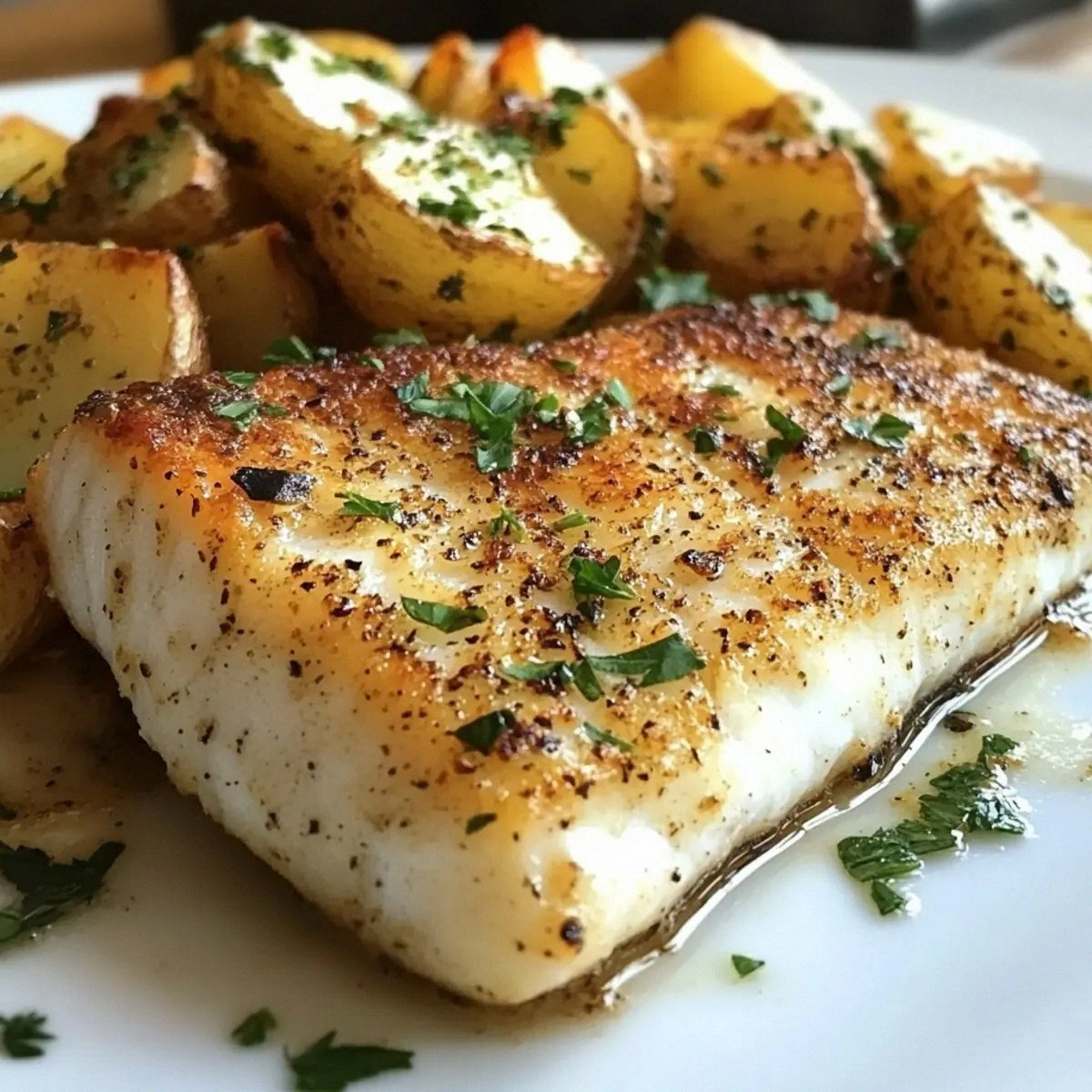
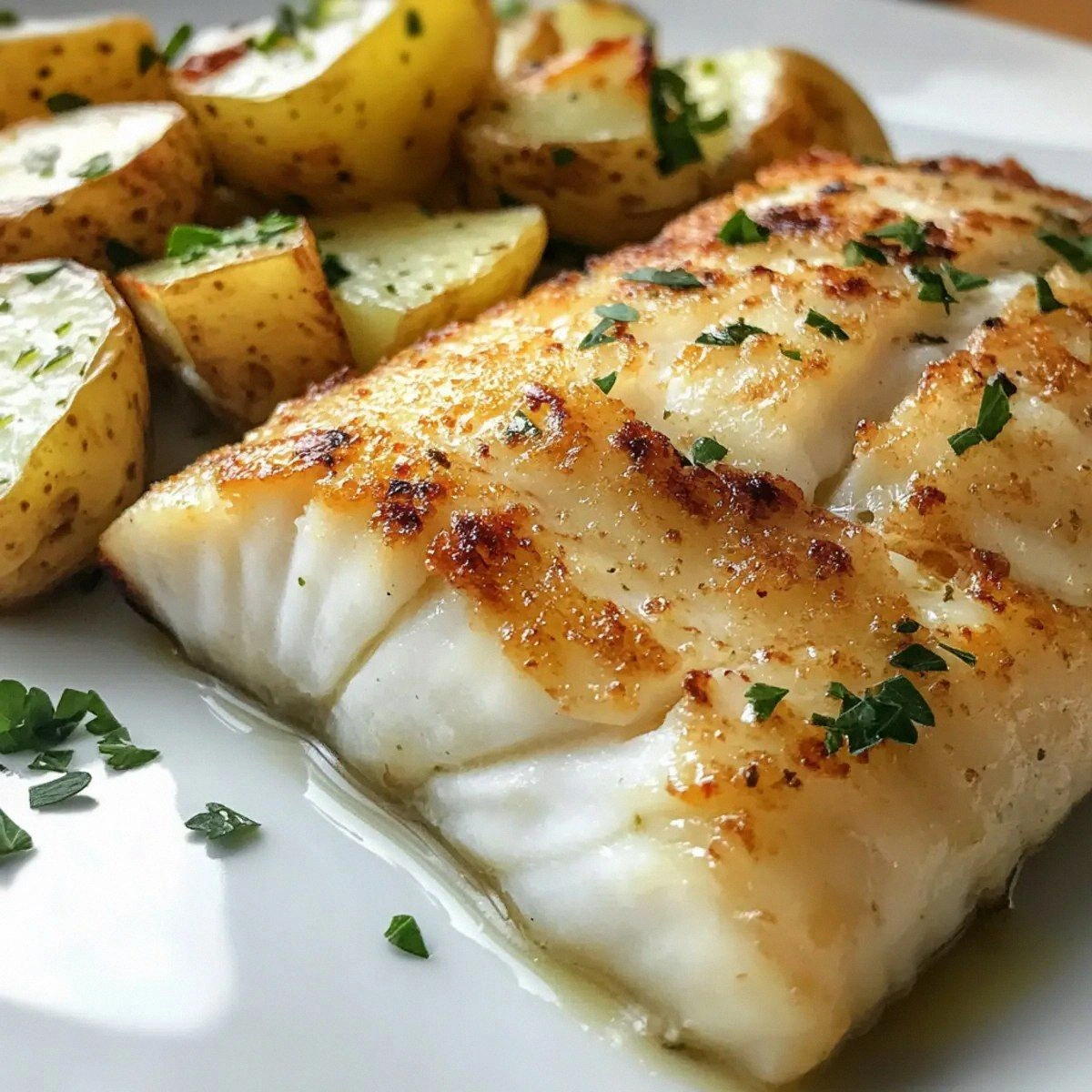
I was standing in my kitchen, staring at a pan that had just turned a shade of angry orange, when a friend dared me to make something that would make even the most seasoned pescatarian weep with joy. The challenge? A dish that could be the star of a dinner table without stealing the spotlight from the wine, a plate that whispered “elegance” but shouted “comfort”. I grabbed a handful of baby potatoes, a few fillets of the freshest white fish I could find, and set out on a culinary quest that would end with a sauce so creamy it felt like a cloud hugging a warm blanket. The result? Light and Flaky Pan-Seared White Fish & Creamy Potatoes Delight—a name that sounds like a spa day for your taste buds.
Picture this: the sizzle of butter meeting a hot pan, the smell of rosemary dancing with garlic, and the gentle pop of potatoes as they turn golden. The kitchen fills with a scent that’s part sea breeze, part buttery meadow, and you can’t help but feel a little giddy as the fish starts to curl its edges, promising a flaky interior that will crumble like a well‑kept secret. The potatoes, meanwhile, soften into a buttery melt that’s so smooth it practically slides off the fork. When you finally drizzle the velvety sauce over everything, it’s like a silk scarf draped over a rugged denim jacket—unexpectedly perfect.
Most recipes for pan‑seared fish either overcook the delicate flesh or drown it in a sauce that feels like a soggy blanket. This version flips that script. I’m using a modest amount of butter to get that golden crust, then finishing with a splash of heavy cream that turns the pan juices into a luxurious glaze without making it greasy. The secret weapon? A splash of broth that de‑glazes the pan, pulling up every caramelized fragment and turning them into flavor fireworks. And the potatoes? They’re boiled just enough to stay firm, then tossed in the same buttery‑herb mixture, so every bite carries that same buttery brilliance.
Okay, ready for the game‑changer? I’m about to walk you through every single step—by the end, you’ll wonder how you ever made this any other way. I dare you to taste this and not go back for seconds. Let’s dive in.
What Makes This Version Stand Out
- Flavor Fusion: The broth‑cream combo creates a sauce that’s both light and decadently rich, coating the fish and potatoes like velvet.
- Texture Contrast: Crispy, golden fish edges meet buttery, melt‑in‑your‑mouth potatoes, delivering a mouthfeel that’s both crunchy and silky.
- Simplicity: Only twelve ingredients, all pantry‑friendly, yet the result feels restaurant‑level.
- Ingredient Quality: Fresh white fish and baby potatoes are the heroes; they shine because we treat them with respect.
- Crowd Reaction: This dish consistently earns “wow” from guests, even those who claim they don’t like fish.
- Cooking Method: Pan‑searing locks in moisture while the finishing sauce adds depth without extra ovens.
- Make‑Ahead Potential: The sauce can be prepared ahead of time; just reheat gently and you’re good to go.
- Versatility: Swap rosemary for thyme, or use chicken broth instead of vegetable for a different twist.
Inside the Ingredient List
The Flavor Base
Shallots and garlic are the aromatic backbone of this dish. When sautéed in butter, they release sugars that caramelize, creating a sweet‑savory foundation. If you skip them, you’ll lose that subtle depth that makes the sauce sing. A good swap for shallots is a finely diced red onion, though the flavor will be a touch sharper. When buying shallots, look for firm, dry skins—any soft spots mean they’re past their prime.
The Texture Crew
Baby potatoes are the unsung heroes here. Their thin skins become tender while the interiors stay firm enough to hold their shape in the buttery sauce. If you can’t find baby potatoes, use new potatoes or even fingerlings; just cut them into uniform bite‑size pieces so they cook evenly. Avoid using starchy russets—they’ll disintegrate and turn the sauce gummy. When selecting potatoes, choose ones that are uniform in size and free of green spots.
The Unexpected Star
Heavy cream might seem like a rich indulgence, but only half a cup is needed to transform the pan de‑glaze into a silky glaze. It adds body without making the dish heavy, and it mellows the acidity of the broth. If you’re dairy‑free, coconut cream works surprisingly well, giving a subtle tropical hint. The trick is to add the cream off the heat, then return to low simmer—this prevents curdling.
The Final Flourish
Fresh rosemary and parsley bring bright, herbaceous notes that cut through the richness. Rosemary’s piney aroma pairs perfectly with fish, while parsley adds a pop of color and freshness at the end. If you’re out of rosemary, try thyme or even a pinch of dried oregano for a Mediterranean twist. When chopping parsley, give it a quick toss in the air to dry it a bit—wet herbs dilute the sauce.
Everything’s prepped? Good. Let’s get into the real action...
The Method — Step by Step
Start by bringing a large pot of salted water to a boil. Toss in the baby potatoes and let them cook for about 8‑10 minutes, just until they’re fork‑tender but still hold their shape. Drain them, let them steam dry for a minute, then set aside. Pro tip: a pinch of sugar in the water helps the skins caramelize later.
Kitchen Hack: After draining, give the potatoes a quick shake in the colander to rough up their surfaces—this creates more texture for the final sear.While the potatoes are cooking, pat the fish fillets dry with paper towels. Season each side generously with salt and pepper. This step is crucial; moisture is the enemy of a good crust.
Watch Out: If you add the fish to the pan before it’s hot enough, you’ll get a soggy, steamed mess instead of a crisp crust.Heat a large skillet over medium‑high heat. Add the olive oil and 2 tablespoons of butter. Once the butter foams and the oil shimmers, you’ll know the pan is ready. Place the fish fillets skin‑side down (if they have skin) and press gently with a spatula for 30 seconds to ensure even contact.
Let the fish cook undisturbed for 3‑4 minutes. You’ll see the edges start to turn opaque and the sides will begin to pull away from the pan. That’s the moment of truth—don’t flip too early. When the underside is a deep golden‑brown, flip and cook another 2‑3 minutes on the other side. The fish should be just opaque in the center; it will finish cooking in the sauce.
Remove the fish to a warm plate and tent with foil. In the same pan, add the remaining 2 tablespoons of butter. Toss in the finely diced shallot and minced garlic, sautéing until they’re fragrant and lightly caramelized—about 2 minutes. This is where the flavor base really starts to build.
Deglaze the pan with the cup of broth, scraping up all the browned bits stuck to the bottom. Let the broth reduce by half, which should take about 3‑4 minutes. The reduction intensifies the flavor and prevents the final sauce from being watery.
Kitchen Hack: If you want an even richer sauce, add a splash of white wine after the broth reduction, then let it evaporate before adding the cream.Stir in the heavy cream, rosemary sprigs, and the cooked potatoes. Toss everything gently so the potatoes get coated in the buttery‑herb sauce. Let the mixture simmer for another 2‑3 minutes; the potatoes will absorb the aromatics, and the sauce will thicken just enough to cling to the fish.
Finish with a handful of chopped parsley, a final drizzle of melted butter, and a quick taste check. Adjust salt and pepper if needed—remember, the fish will have contributed some salt already. Nestle the fish fillets back into the pan, spooning the sauce over each piece. Let everything sit for a minute so the flavors meld.
Plate the dish by arranging the potatoes in a shallow pool, then sliding the fish on top. Spoon any remaining sauce over the fish, letting it cascade down the sides. Garnish with an extra sprinkle of parsley for color.
That’s it — you did it. But hold on, I’ve got a few more tricks that’ll take this to another level. Stay with me here — this is worth it.
Insider Tricks for Flawless Results
The Temperature Rule Nobody Follows
Never start a pan‑sear on low heat. The fish needs an instant shock to seal its juices. I keep the stove at medium‑high and let the oil reach a shimmering state before the fillet even touches the surface. If the pan isn’t hot enough, the fish will release water and you’ll end up with a soggy crust. Trust me, the extra heat is the secret to that “crack‑like‑ice” edge.
Why Your Nose Knows Best
When the butter starts to turn golden and you smell that nutty aroma, you’re at the perfect moment to add the shallots. Your nose is a better timer than any kitchen gadget. If the butter smells burnt, pull the pan off the heat for a few seconds. A burnt butter base will ruin the sauce’s delicate balance.
The 5‑Minute Rest That Changes Everything
After searing, let the fish rest under foil for five minutes. This isn’t just for meat; fish benefits from a short rest too. The residual heat finishes cooking the center while the juices redistribute, preventing a dry bite. I’ve seen people serve fish immediately and get a dry edge—don’t make that mistake.
Butter‑Boost Finish
A final swirl of cold butter at the end of the sauce adds a glossy sheen and a silky mouthfeel. It’s the culinary equivalent of a silk tie on a casual shirt—adds class without effort. Just whisk it in off the heat so it emulsifies rather than separates.
Herb Timing Mastery
Add rosemary early in the sauce so its piney notes can infuse, but add parsley at the very end. Parsley loses its bright flavor when cooked too long, turning bitter. This timing trick keeps the sauce fresh and vibrant. A friend once tried to add all herbs at once and ended up with a muted herb profile—let the timing do the work.
Creative Twists and Variations
This recipe is a playground. Here are some of my favorite ways to switch things up:
Mediterranean Breeze
Swap rosemary for fresh thyme and add a handful of sun‑dried tomatoes to the sauce. The tomatoes bring a sweet‑tart burst that pairs beautifully with the buttery fish. Garnish with a drizzle of extra‑virgin olive oil and a squeeze of lemon.
Spicy Kick
Introduce a pinch of smoked paprika and a dash of chili flakes when you sauté the shallots. The heat adds depth without overwhelming the delicate fish. Top with a thin slice of jalapeño for those who love a lingering heat.
Herbaceous Green
Replace parsley with fresh dill and add a splash of lemon zest at the end. Dill’s bright, anise‑like flavor lifts the dish, making it perfect for spring gatherings. Serve with a side of steamed asparagus for a full‑green plate.
Creamy Coconut
Use coconut cream instead of heavy cream and swap the broth for a light coconut‑lime broth. This version feels tropical and works wonderfully with snapper. Finish with toasted coconut flakes for crunch.
Cheesy Crust
After searing the fish, sprinkle a thin layer of grated Parmesan over the fillet and let it melt under a broiler for 1‑2 minutes. The cheese creates a crisp, salty crust that adds a new texture dimension. Pair with a crisp white wine to cut through the richness.
Storing and Bringing It Back to Life
Fridge Storage
Allow the dish to cool to room temperature (no more than two hours), then transfer it to an airtight container. It will keep beautifully for up to 3 days. When reheating, use a gentle stovetop method: place the fish and potatoes in a skillet with a splash of broth, cover, and warm over low heat.
Freezer Friendly
Separate the sauce from the fish before freezing. Store the sauce in a freezer‑safe jar and the fish in a zip‑top bag. Both freeze well for up to 2 months. Thaw overnight in the fridge, then reheat the sauce gently and briefly sear the fish again for that fresh‑out‑of‑the‑pan crunch.
Best Reheating Method
Add a tiny splash of water or broth to the pan before reheating. This creates steam that revives the potatoes’ buttery texture and prevents the fish from drying out. Cover the pan for the first minute, then uncover to let any excess moisture evaporate, restoring that original glossy sheen.