I still remember the night this beef rotini garlic parmesan sauce recipe was born. It was one of those evenings where the fridge felt like a game show of random ingredients, and my growling stomach was the impatient host demanding a five-star answer in twenty minutes or less. I had half a box of rotini, some ground beef that needed using, and a block of parmesan that was staring at me like it knew its destiny. What started as a desperate attempt to avoid another takeout bill turned into the dish my friends now request for every game night, potluck, and "hey, I'm coming over" text. The smell that wafted through my apartment that first night was so intoxicating, my neighbor actually knocked on my door asking if I was running a secret restaurant.
Picture this: the garlic hits the hot olive oil and that first sizzle sounds like applause from a tiny audience of flavor angels. The beef browns perfectly, creating those crispy edges that shatter like thin ice when you bite into them. Then comes the moment when the heavy cream meets the pan — it thickens into this luxurious blanket that coats every curve of the rotini like velvet. And when you finally grate that fresh parmesan into the sauce, watching it melt into silken strands of umami-rich perfection, you'll understand why I ate half the batch standing at the stove before anyone else even knew it existed.
I know what you're thinking because I thought it too: "Great, another creamy pasta recipe. What makes this one special?" Well, let me tell you exactly what makes this version stand out from every other beef pasta recipe cluttering the internet. This isn't some bland, heavy cream sauce that sits in your stomach like a brick. No, this is a perfectly balanced symphony where the garlic doesn't overpower but dances with the beef, where the parmesan adds depth without making it feel like you're eating cheese soup, and where the rotini's spirals act like tiny sauce catchers ensuring every single bite is exactly as flavorful as the last.
Here's the kicker that most recipes get completely wrong: they dump everything in at once and wonder why their sauce breaks or tastes flat. I'm about to show you the exact sequence — perfected through five attempts and one spectacular failure where I learned what happens when you add garlic too early (hint: bitter doesn't even begin to cover it). By the end of this, you'll not only master this dish, but you'll understand the technique that applies to every cream-based pasta sauce you'll ever make. Ready for the game-changer?
What Makes This Version Stand Out
- Velvet-Smooth Texture: The sauce coats each rotini spiral like liquid silk, never grainy or broken, thanks to a temperature control trick that takes exactly 30 seconds but changes everything about the final dish. Most recipes rush this step and end up with an oily mess that separates faster than a celebrity couple.
- Garlic That Actually Tastes Like Garlic: Instead of the typical one-note punch, we build layers of garlic flavor by adding it at two different stages — once for depth, once for brightness. The result is a sauce that tastes like garlic should: aromatic, slightly sweet, never bitter.
- Beef That Stays Juicy: Forget those dry, crumbly bits that feel like you're chewing on seasoned cardboard. Using a specific browning technique keeps the beef tender and creates fond (those brown bits) that infuse the sauce with incredible depth. I dare you to taste this and not go back for seconds.
- One-Pan Wonder: Everything happens in a single skillet, including cooking the pasta. Less dishes, more flavor, and the starch from the pasta water actually helps thicken the sauce naturally. If you've ever struggled with watery cream sauces, you're not alone — and I've got the fix.
- Leftovers That Get Better: Most creamy pasta dishes turn into a congealed mess in the fridge. This one actually improves overnight as the flavors meld, and reheats to almost the same creamy perfection with one simple trick. Picture yourself pulling this out of the oven the next day, the whole kitchen smelling like you just made it fresh.
- Five-Ingredient Elegance: Despite tasting like something from a fancy trattoria, this uses pantry staples in ways that make them feel brand new. No obscure ingredients you'll use once and forget — just good technique elevating everyday items into something extraordinary.
- Customizable Canvas: The base recipe is perfect as-is, but it welcomes additions like spinach, sun-dried tomatoes, or mushrooms without losing its soul. It's like that friend who's cool with whatever restaurant you pick but is equally fun one-on-one.
- Fail-Proof Timing: Everything comes together in 30 minutes, but I've included specific visual and aromatic cues so you know exactly when to move to the next step. No more guessing if the sauce is "thick enough" or the pasta is "al dente."
Inside the Ingredient List
The Flavor Foundation
Let's talk about ground beef for a moment, because this is where most people make their first mistake. I specifically call for lean ground beef here, not because I'm trying to be healthy (though that's a nice bonus), but because regular ground beef releases too much fat that muddies the sauce. You want those beautiful browned bits that form when the beef hits a hot pan, creating a fond that will later dissolve into the cream and give you layers of meaty flavor that taste like you spent hours braising something. If you can only find regular ground beef, drain off all but about a tablespoon of the fat — trust me on this one, I've made the greasy mistake so you don't have to.
The olive oil isn't just for cooking; it's a flavor carrier that helps bloom the garlic's aromatics. I use extra virgin because it's what I always have on hand, but here's the thing — you don't need the expensive stuff here. Save your thirty-dollar bottle for finishing dishes where you'll actually taste it. This gets heated and mixed with beef fat, so any decent grocery store brand works beautifully. The key is making sure it's fresh (olive oil goes rancid faster than you'd think) and heating it until it shimmers but doesn't smoke.
The Aromatic Stars
Fresh garlic is non-negotiable, and I'll fight anyone who says otherwise. Those pre-minced jars taste like disappointment and regret. Four cloves might seem like a lot, but we're using them strategically — two cloves go in early to mellow and sweeten, two go in at the end to keep that bright, punchy garlic flavor. When you're mincing, aim for pieces about the size of coarse sand. Too big and they burn, too small and they disappear into nothingness. And here's a confession: I'll be honest — I ate half the batch before anyone else got to try it, so I know exactly how good this garlic situation gets.
Italian seasoning gets a bad rap from people who think it's just dried herbs from 1987. A good blend (or making your own) adds that restaurant-quality depth that makes people ask "what's in this?" I make my own with equal parts oregano, basil, thyme, and a pinch of rosemary. If you're using store-bought, give it a sniff — if you can't smell individual herbs, it's too old. Fresh herbs work too, but use three times the amount since dried herbs are more concentrated.
The Texture Team
Rotini is the unsung hero of pasta shapes, and I'm prepared to die on this hill. Those spirals aren't just cute — they're engineering marvels designed by Italian grandmothers to catch sauce in every groove. While penne and rigatoni have their place, rotini ensures you get the perfect sauce-to-pasta ratio in every bite. Don't substitute with long pasta like spaghetti; you need those curves to hold onto our velvety sauce. And whatever you do, don't overcook it. Mushy rotini is a tragedy that makes Italian grandmothers weep from the beyond.
Heavy cream is what gives us that restaurant-quality richness, but here's where most recipes get this completely wrong — they add it too hot and it breaks into an oily mess. The cream needs to be at room temperature and added off the heat, then gently warmed. If you're looking for a lighter option, you can substitute with half-and-half, but you'll need to reduce it longer. Plant-based creams work too, but stick with the neutral ones like oat or cashew cream. Coconut cream will make this taste like a weird Thai-Italian fusion experiment.
The Finishing Touch
Parmesan cheese is where you should absolutely not cheap out. That pre-grated stuff in the green can is sawdust compared to what you'll get from a real block of Parmigiano-Reggiano. Freshly grated cheese melts into the sauce creating these incredible umami bombs, while pre-grated contains cellulose that makes your sauce grainy. I keep a wedge in my fridge at all times — it's like having a magic wand that makes everything taste better. Grate it fine for melting into the sauce, but save a little to grate on top for that perfect salty finish.
Fresh parsley isn't just for color, though it does make the dish look like something from a magazine. It adds a bright, slightly peppery note that cuts through the richness of the cream and beef. Flat-leaf (Italian) parsley has more flavor than curly, but use what you can find. Chop it just before serving — chopped parsley starts losing its vibrant color and flavor within minutes. If you hate parsley (some people do), try fresh chives or even thinly sliced green onions for a different but still delicious fresh element.
The Method — Step by Step
- Start with the beef: Heat your largest skillet over medium-high heat until a drop of water sizzles immediately. Add the olive oil and swirl to coat the pan — it should shimmer but not smoke. Add the ground beef, breaking it up with a wooden spoon into pieces about the size of a marble. Resist the urge to move it around constantly; let it sit for 2-3 minutes until the bottom develops a deep brown crust. That sizzle when it hits the pan? Absolute perfection. Season with salt and pepper now so the beef absorbs the seasoning as it cooks. Continue breaking up and browning until no pink remains and you've got beautiful caramelized bits throughout.
- Create the flavor base: With the beef still in the pan, reduce heat to medium and push the meat to one side. Add half the minced garlic (2 cloves) to the cleared space and let it cook for just 30 seconds — you want to smell it getting fragrant but not browning. Stir everything together and cook for another minute. The garlic will infuse the beef fat with incredible flavor. This is the moment of truth where your kitchen starts smelling like an Italian grandmother's kitchen. Add the Italian seasoning and stir to coat everything evenly.
- Build the sauce foundation: Here's where technique matters more than ingredients. Remove the pan from heat completely — I mean take it off the burner and set it on a trivet. Let it sit for 2 minutes until it's no longer screaming hot. This prevents the cream from breaking when we add it. Pour in the heavy cream and stir gently. Return to low heat and let it come to the gentlest simmer. You should see tiny bubbles around the edges but no violent boiling. This slow heating process creates an emulsion that stays smooth and luxurious.
- Add the cheese strategically: Once the cream is warm but not boiling, add the parmesan cheese a handful at a time, whisking constantly. Let each addition melt completely before adding the next. This prevents clumps and ensures every bit of cheese melts into silky perfection. The sauce will start thickening immediately — you're looking for it to coat the back of a spoon. If it gets too thick, add a splash of water. Too thin? Let it simmer another minute or two, but remember it'll thicken as it cools.
- Cook the pasta right in the sauce: This next part? Pure magic. Add the dry rotini directly to the sauce along with 2 cups of water. Stir well and bring to a gentle simmer. The pasta will absorb the flavors as it cooks, and the starch released will help thicken everything into the perfect consistency. Stir every 2-3 minutes to prevent sticking. After about 8 minutes, test a piece — it should be almost al dente with just a tiny bite in the center.
- The final garlic punch: When the pasta is just shy of done, stir in the remaining 2 cloves of minced garlic. This adds a bright, fresh garlic note that makes the whole dish taste alive. The heat from the pasta and sauce will tame the raw edge but leave that wonderful garlic punch. Don't walk away from the stove here — we're in the home stretch and things move fast now.
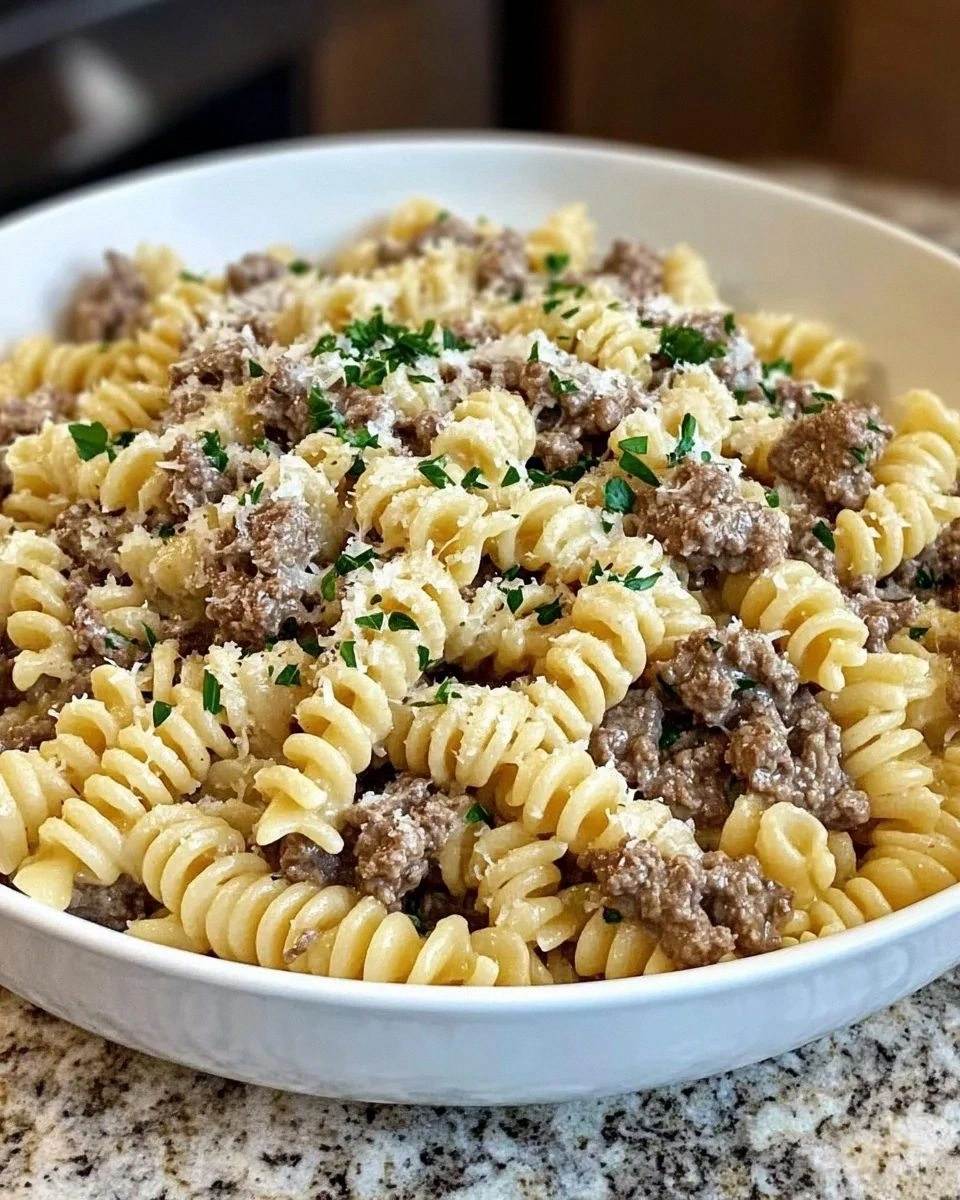
- Season and serve: Taste and adjust seasoning with salt and pepper. The parmesan adds saltiness, so go easy at first. Add a splash of water if the sauce seems thick — it'll tighten up quickly. Remove from heat and let it rest for exactly 2 minutes. This brief rest allows the pasta to finish cooking and the sauce to reach the perfect consistency. Serve in warm bowls with fresh parsley scattered on top. That first bite when the steam rises and hits your face? That's what cozy dinner dreams are made of.
Insider Tricks for Flawless Results
The Temperature Rule Nobody Follows
Here's the thing that separates restaurant-quality pasta from home cooking: temperature control. Most people cook everything on medium-high because they're impatient, but that's exactly why your sauce breaks or your garlic burns. I learned this the hard way during a dinner party where my sauce separated into an oily disaster that looked like something from a horror movie. The secret is keeping your heat low and steady, especially after adding dairy. Your cream should never bubble vigorously — think gentle ripples on a calm lake, not white water rapids. If you see big bubbles, remove the pan from heat immediately and whisk like your life depends on it.
Another temperature trick: let your cream come to room temperature before adding it to the hot pan. Cold dairy plus hot metal equals curdled disappointment. I take my cream out of the fridge when I start browning the beef, giving it plenty of time to warm up. This simple step prevents the proteins from seizing up and creating those annoying little white flecks that ruin the smooth texture. A friend tried skipping this step once — let's just say it didn't end well, and she now sets a timer to remind herself.
Why Your Nose Knows Best
Professional chefs don't use timers for everything — they use their senses, and smell is the most underrated tool in your kitchen arsenal. When the garlic hits the oil, it should smell fragrant and slightly sweet within 30 seconds. If it smells sharp or acrid, your heat is too high and you're about to burn it. When the beef is perfectly browned, your kitchen should smell like a steakhouse, not like old hamburgers. The parmesan should smell nutty and slightly sweet, never like sour milk. Training yourself to cook by aroma rather than just time will transform every dish you make.
Here's a sensory snapshot that'll change how you cook: when your sauce is perfectly emulsified, it will smell rich and creamy with distinct layers — first the beef, then the garlic, then the nuttiness of the parmesan. If it smells flat or one-dimensional, you need more salt or acid. If it smells greasy, your sauce has broken and needs immediate attention. This might sound like kitchen voodoo, but once you start paying attention to these cues, you'll wonder how you ever cooked without them.
The 5-Minute Rest That Changes Everything
Stay with me here — this is worth it. After you finish cooking, let the pasta sit for exactly 5 minutes before serving. I know, I know, you're hungry and it smells amazing. But this brief rest allows the pasta to finish absorbing the sauce, the cheese to fully integrate, and the flavors to meld into something greater than their individual parts. It's like letting a good wine breathe, except it's pasta and it's way more delicious. During this time, the sauce will thicken slightly and coat the pasta more evenly, transforming from good to absolutely transcendent.
Use these 5 minutes wisely: warm your serving bowls (hot pasta in cold bowls is a rookie mistake), chop your fresh parsley, pour yourself a glass of wine, and set the table like you actually planned this meal instead of throwing it together on a Tuesday. When you finally dig in, you'll understand why restaurants always let their pasta rest before serving. The difference is subtle but noticeable — like the difference between a good hug and a great one.
Creative Twists and Variations
This recipe is a playground. Here are some of my favorite ways to switch things up:
Spinach and Sun-Dried Tomato Deluxe
Add a big handful of baby spinach and some chopped sun-dried tomatoes when you add the second round of garlic. The spinach wilts instantly and adds beautiful color, while the sun-dried tomatoes provide little bursts of tangy sweetness that play beautifully against the creamy sauce. Use the sun-dried tomatoes packed in oil, not the dry ones, and pat them with paper towels before chopping to avoid adding too much oil to your sauce. This version tastes like something from a fancy Italian restaurant but takes no extra time.
Mushroom Lover's Dream
Sauté 8 ounces of sliced cremini mushrooms in the pan before you add the beef. Let them cook until they release their liquid and turn golden brown, then push them to the side and proceed with browning the beef. The mushrooms add an earthy depth that makes this taste like a much more complex dish. If you're feeling fancy, use a mix of mushrooms — shiitake, oyster, and cremini create an umami powerhouse that'll make mushroom haters convert.
Spicy Arrabiata Style
Add 1/2 teaspoon of red pepper flakes when you add the first round of garlic, and another 1/4 teaspoon with the second round. The gradual addition creates layers of heat that build rather than overwhelm. For extra complexity, use Calabrian chilies in oil instead of regular red pepper flakes — they add a fruity heat that's absolutely addictive. This version pairs perfectly with a crisp white wine and some crusty bread to mop up the spicy, creamy sauce.
Spring Vegetable Celebration
Add asparagus tips and fresh peas during the last 5 minutes of cooking. The asparagus stays bright green and slightly crisp, while the peas pop in your mouth and add natural sweetness. This is my go-to version when I want to feel slightly virtuous about eating a cream-based pasta. The vegetables lighten the dish without making it feel like health food — it's still indulgent, just with a springtime twist.
Bacon Makes Everything Better
Cook 4 slices of bacon until crispy, remove and crumble, then use the bacon fat instead of olive oil to brown the beef. Add the crumbled bacon back in at the very end. Yes, it's over the top. Yes, it's absolutely worth it. This version is what you make when you need comfort food that hugs your soul while also giving it a high-five. Your cardiologist might not approve, but your taste buds will throw a parade.
Seafood Sensation
Replace the ground beef with shrimp — add them during the last 3 minutes of cooking so they stay tender. Season them with Old Bay instead of Italian seasoning for a coastal twist. The sweetness of the shrimp pairs beautifully with the garlic cream sauce, and this version feels fancy enough for date night but easy enough for a Tuesday. Just don't overcook the shrimp — they should curl into a C-shape, not an O-shape.
Storing and Bringing It Back to Life
Fridge Storage
This pasta keeps beautifully in the refrigerator for up to 4 days, which makes it perfect for meal prep. Store it in an airtight container — I prefer glass because it doesn't absorb odors and reheats more evenly. Before sealing, press a piece of plastic wrap directly onto the surface of the pasta to prevent it from drying out. The sauce will thicken considerably as it cools, which is actually a good thing. When you're ready to reheat, you'll add a splash of liquid to bring it back to the perfect consistency.
Freezer Friendly
While cream-based sauces don't always freeze well, this one actually holds up reasonably well thanks to the starch from the pasta. Freeze in portion-sized containers for up to 2 months. The key is to undercook the pasta slightly if you know you'll be freezing it — this prevents mushy noodles when you reheat. Thaw overnight in the refrigerator rather than using the microwave's defrost setting, which can make the sauce grainy. Once thawed, reheat gently with a splash of milk or cream to restore the luscious texture.
Best Reheating Method
Forget the microwave for this one — it heats unevenly and can break your beautiful sauce. Instead, place the pasta in a skillet with a splash of water or milk. Cover and heat over medium-low, stirring frequently, until hot and creamy again. Add a tiny splash of water before reheating — it steams back to perfection. If you're in a rush, microwave on 50% power in 30-second bursts, stirring between each burst and adding liquid as needed. The goal is gentle, even heating that restores the sauce without turning it into an oily mess.