Picture this: it’s a rainy Tuesday, the kind where the clouds are so low you can almost taste the drizzle on your tongue, and you’ve just walked into the kitchen after a marathon day of Zoom meetings that felt longer than a Netflix binge. Your stomach is growling like a disgruntled bear, and the only thing that can tame that beast is something that hugs you from the inside out. I was in that exact spot, half‑heartedly scrolling through recipes, when a dare from a coworker rang in my ears: “I bet you can’t make a baked spaghetti that doesn’t taste like a soggy, sad leftover.” Challenge accepted, and what emerged was a dish so decadently cheesy it could have its own fan club. I’m not exaggerating when I say this is hands down the best version you’ll ever make at home.
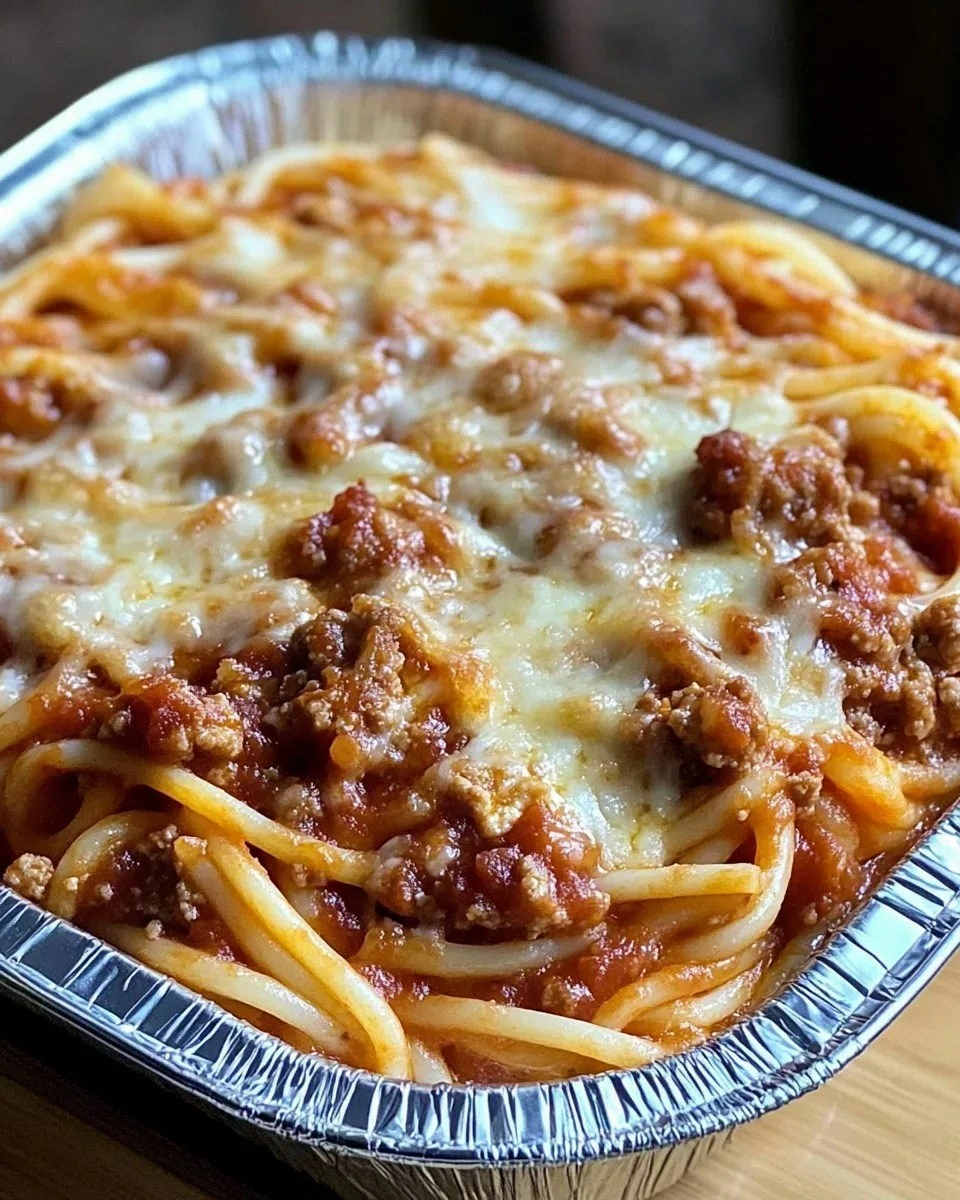
The moment I pulled the casserole out of the oven, the kitchen was flooded with an aroma that felt like a warm blanket on a cold night. The sauce—rich, tangy, and buttery—coated each strand of spaghetti like velvet, while the melted cream cheese created ribbons of silk that stretched with every forkful. The top crust, golden and crisp, cracked under the pressure of a spoon, shattering like thin ice on a frozen pond, revealing a bubbling, gooey interior that begged for seconds. I dared you to taste this and not go back for more, because honestly, I ate half the batch before anyone else even got a chance.
What makes this version stand out is a simple twist that most recipes completely miss: the addition of room‑temperature cream cheese. Most people think, “I’ll just melt it,” and end up with a grainy texture that ruins the whole experience. Not this time. By letting the cream cheese soften naturally, it folds into the sauce effortlessly, creating a luxurious mouthfeel that’s both creamy and slightly tangy—exactly the balance a comfort food needs. Most recipes get this completely wrong. Here’s what actually works.
And there’s a secret technique I’ll reveal later that takes the whole thing from “good” to “legendary.” It involves a quick stovetop caramelization step that adds depth without any extra ingredients, plus a finishing sprinkle of parmesan that forms a crust so satisfying it could win a culinary award. Okay, ready for the game‑changer? Let me walk you through every single step — by the end, you’ll wonder how you ever made it any other way.
What Makes This Version Stand Out
- Texture: The creamy interior meets a crunchy, caramelized top, creating a contrast that feels like a buttery pillow against a toasted marshmallow.
- Flavor: Cream cheese adds a subtle tang that brightens the tomato base, while parmesan brings a salty, nutty finish.
- Simplicity: Only seven core ingredients, all pantry‑friendly, yet the result feels restaurant‑level.
- Uniqueness: The “cream cheese swirl” technique is rarely used in baked pasta, making this dish a conversation starter.
- Crowd Reaction: Even the pickiest eaters (yes, I’m looking at you, teenage kids) can’t resist the cheesy pull.
- Ingredient Quality: Using lean ground beef keeps it hearty without excess grease, and a good‑quality spaghetti sauce ensures depth.
- Cooking Method: A two‑stage bake—first simmer, then oven—locks in moisture while creating that coveted crust.
- Make‑Ahead Potential: Assemble ahead, refrigerate, and bake when you’re ready; it’s practically a freezer‑friendly hero.
Inside the Ingredient List
The Flavor Base
First up, the 26‑ounce jar of spaghetti sauce. This isn’t just any sauce; it’s the foundation that carries the entire dish. The tomatoes provide acidity that cuts through the richness of the cheese and beef, while the herbs in the sauce lay the groundwork for the Italian seasoning to shine. If you skip the sauce or use a bland, watery version, you’ll end up with a casserole that feels flat, like a song missing its chorus. A good tip: choose a sauce with a hint of garlic and basil, or add a splash of red wine for extra depth.
The Texture Crew
Next, the 12‑ounce spaghetti. I’m a firm believer that the shape of pasta matters. Spaghetti’s long strands allow the sauce to cling in a way that short pasta can’t, creating that “every bite is a sauce‑burst” sensation. Cook it al dente—firm to the bite—so it doesn’t turn mushy during the bake. If you’re out of spaghetti, linguine or fettuccine work just as well, but avoid penne; its ridges trap too much sauce and can make the casserole soggy.
The Unexpected Star
The star of the show is the 8‑ounce package of cream cheese, softened to room temperature. This is where the magic happens. When you fold it into the hot sauce, it melts into a silky ribbon that binds everything together. Skipping this step or using cold cream cheese will result in lumps that never fully integrate, leaving you with pockets of blandness. Pro tip: let the cream cheese sit out for about 30 minutes before you start cooking; it’ll blend without effort.
The Final Flourish
Finally, the ½ cup of grated parmesan. This isn’t just garnish; it’s the secret weapon that forms the golden crust we all crave. Parmesan’s low moisture content means it browns beautifully, creating that crispy edge that shatters like thin ice when you cut into the casserole. If you’re dairy‑intolerant, a sharp Pecorino Romano works as a swap, but expect a slightly saltier finish.
Everything’s prepped? Good. Let’s get into the real action…
The Method — Step by Step
Start by heating a large skillet over medium‑high heat. Add the lean ground beef, breaking it up with a wooden spoon. As the meat sizzles, you’ll hear that satisfying “fizz” that signals the Maillard reaction kicking in—this is flavor gold. Cook until the beef is browned all over, about 6‑8 minutes, and then drain any excess fat. If you leave the fat, the casserole will be greasy and the cheese won’t melt properly.
Kitchen Hack: Sprinkle a pinch of salt on the beef while it cooks; it helps draw out moisture and intensifies the flavor.Once the beef is browned, add the minced garlic (yes, just one clove, but it’s enough to infuse the dish). Let it sauté for about 30 seconds—watch out, that garlic can go from fragrant to bitter in a heartbeat. Then stir in the 26‑ounce jar of spaghetti sauce, the Italian seasoning, and a splash of water if the sauce looks too thick. Bring the mixture to a gentle simmer, letting the flavors meld for 5 minutes. You’ll notice the sauce thickening slightly, hugging the meat like a warm embrace.
While the sauce simmers, bring a pot of salted water to a rolling boil. Toss in the 12‑ounce spaghetti and cook it al dente—about 9 minutes, give or take. The pasta should still have a firm center; this prevents it from turning mushy during the bake. Drain the spaghetti, but reserve a cup of the pasta water. This starchy liquid will later help the sauce cling to every strand.
Now, the cream cheese moment. In a large mixing bowl, combine the softened cream cheese with a ladle of the hot tomato sauce. Use a whisk to blend until the mixture is smooth, glossy, and free of lumps. This creates a velvety base that will coat the spaghetti with a luxurious sheen. If the mixture feels too thick, add a tablespoon of the reserved pasta water; you’ll see it turn silkier instantly.
Combine the cooked spaghetti with the cream‑cheese‑tomato mixture, tossing until every strand is evenly coated. Then fold in the browned ground beef, ensuring the meat is distributed throughout. At this point, the casserole is a cohesive, cheesy, meaty masterpiece waiting to be baked. Transfer the mixture into a greased 9×13‑inch baking dish, spreading it out evenly.
Sprinkle the ½ cup grated parmesan over the top, using the back of a spoon to create an even layer. This will form the golden crust we all crave. If you love extra crunch, add a handful of breadcrumbs mixed with a drizzle of melted butter—this optional step takes the crust to another level.
Watch Out: Don’t over‑bake the casserole; 20 minutes is enough to melt the cheese and brown the top. Over‑baking will dry out the pasta and make the cheese rubbery.Preheat your oven to 375°F (190°C). Place the dish in the middle rack and bake for 20 minutes, or until the cheese is bubbling and the parmesan crust is a deep, golden brown. Mid‑bake, you’ll notice the edges pulling away from the pan—a sign that the crust is forming perfectly. If you’re after that extra‑crisp finish, switch to broil for the last 2 minutes, but keep a close eye on it.
Kitchen Hack: Place a shallow pan of water on the lower rack while baking; the steam will keep the interior moist and prevent the pasta from drying out.When the timer dings, remove the casserole and let it rest for 5 minutes. This short rest allows the sauce to thicken a bit more, making each slice hold together beautifully. While you wait, the kitchen will be filled with that intoxicating aroma of toasted cheese and simmered tomatoes—picture yourself pulling this out of the oven, the whole kitchen smelling incredible…
Finally, serve hot, perhaps with a side of garlic bread or a crisp green salad. I dare you to taste this and not go back for seconds. Trust me, the combination of creamy sauce, tender pasta, and crunchy crust will have you reaching for the serving spoon again and again. And now the fun part: drizzle a tiny drizzle of olive oil on top for a glossy finish, and you’ve got a dish that looks as good as it tastes.
Insider Tricks for Flawless Results
The Temperature Rule Nobody Follows
Most home cooks think “high heat = faster cooking,” but with baked pasta you want a moderate oven temperature (375°F). This allows the cheese to melt evenly while the crust forms without burning. If you crank it up to 425°F, the top will char before the interior is fully heated, resulting in a burnt taste and a soggy center. I once tried the high‑heat route and ended up with a casserole that resembled a cheese‑burnt disaster—lesson learned.
Why Your Nose Knows Best
Don’t rely solely on the timer; trust your senses. When the sauce starts to bubble vigorously and you catch a faint caramel scent, you’re at the perfect point to add the cream cheese. The moment the cheese begins to melt and the kitchen fills with a buttery, slightly sweet aroma, you know the sauce has reached the ideal consistency. If you miss this cue, the sauce can become too thin or too thick.
The 5‑Minute Rest That Changes Everything
Resting the casserole for just five minutes after it comes out of the oven lets the sauce settle and the cheese firm up. This short pause prevents the dish from falling apart when you cut into it. A friend once tried to serve it immediately and ended up with a soggy, runny mess on the plate. The rest period is a tiny step that makes a massive difference in presentation.
Cheese Layering Mastery
Instead of dumping all the cheese in at once, I layer half of the parmesan at the bottom, mix the rest into the sauce, and then finish with a final sprinkle on top. This creates a multi‑dimensional cheesy experience: a subtle cheese undertone throughout and a crunchy, caramelized crown. If you skip this layering, you’ll miss out on the textural contrast that makes each bite exciting.
Pan Size Matters
Using a 9×13‑inch pan ensures the pasta spreads thin enough for the heat to penetrate evenly. A deeper dish will steam the pasta rather than bake it, leading to a mushy texture. I once used a 2‑quart casserole dish and ended up with a soggy bottom—never again. The right pan size is the unsung hero of this recipe.
Creative Twists and Variations
This recipe is a playground. Here are some of my favorite ways to switch things up:
Spicy Jalapeño Kick
Dice two fresh jalapeños and sauté them with the ground beef. The heat adds a lively contrast to the creamy cheese, perfect for those who love a little fire. Top with a sprinkle of pepper jack cheese for extra zing.
Veggie‑Loaded Delight
Swap half the ground beef for chopped mushrooms and zucchini. The veggies add moisture and earthiness, making the dish lighter without sacrificing heartiness. A dash of smoked paprika enhances the smoky undertones.
Italian Sausage Swap
Replace the lean ground beef with Italian sausage (sweet or hot). The fennel and herb flavors in the sausage meld beautifully with the tomato‑cream cheese sauce, creating a richer, more aromatic profile.
White Sauce Fusion
For a decadent twist, blend half of the cream cheese with a splash of heavy cream and a pinch of nutmeg, creating a béchamel‑like layer beneath the tomato sauce. This adds a luxurious depth reminiscent of lasagna.
Gluten‑Free Version
Use gluten‑free spaghetti or even spiralized zucchini noodles. The cream cheese still provides the binding power, ensuring the dish holds together. Just be mindful of cooking times; gluten‑free pasta can become mushy quicker.
Herb‑Infused Parmesan
Mix fresh chopped basil or oregano into the grated parmesan before sprinkling it on top. This gives a fresh, aromatic finish that brightens each bite, especially on warm summer evenings.
Storing and Bringing It Back to Life
Fridge Storage
Let the casserole cool to room temperature, then cover tightly with foil or plastic wrap. It will keep in the refrigerator for up to four days. When reheating, place a splash of water (about two tablespoons) over the top, cover with foil, and bake at 350°F for 15‑20 minutes until heated through.
Freezer Friendly
For long‑term storage, slice the baked casserole into portions, wrap each piece in parchment, then foil, and freeze. It will maintain quality for up to three months. To reheat, thaw overnight in the fridge, then bake at 375°F for 20‑25 minutes, adding a bit of water to keep it moist.
Best Reheating Method
The secret to reviving that crispy crust is to reheat uncovered for the last five minutes of baking. This allows the top to crisp up again, while the interior stays creamy. A quick tip: a drizzle of olive oil before reheating helps restore that glossy finish.