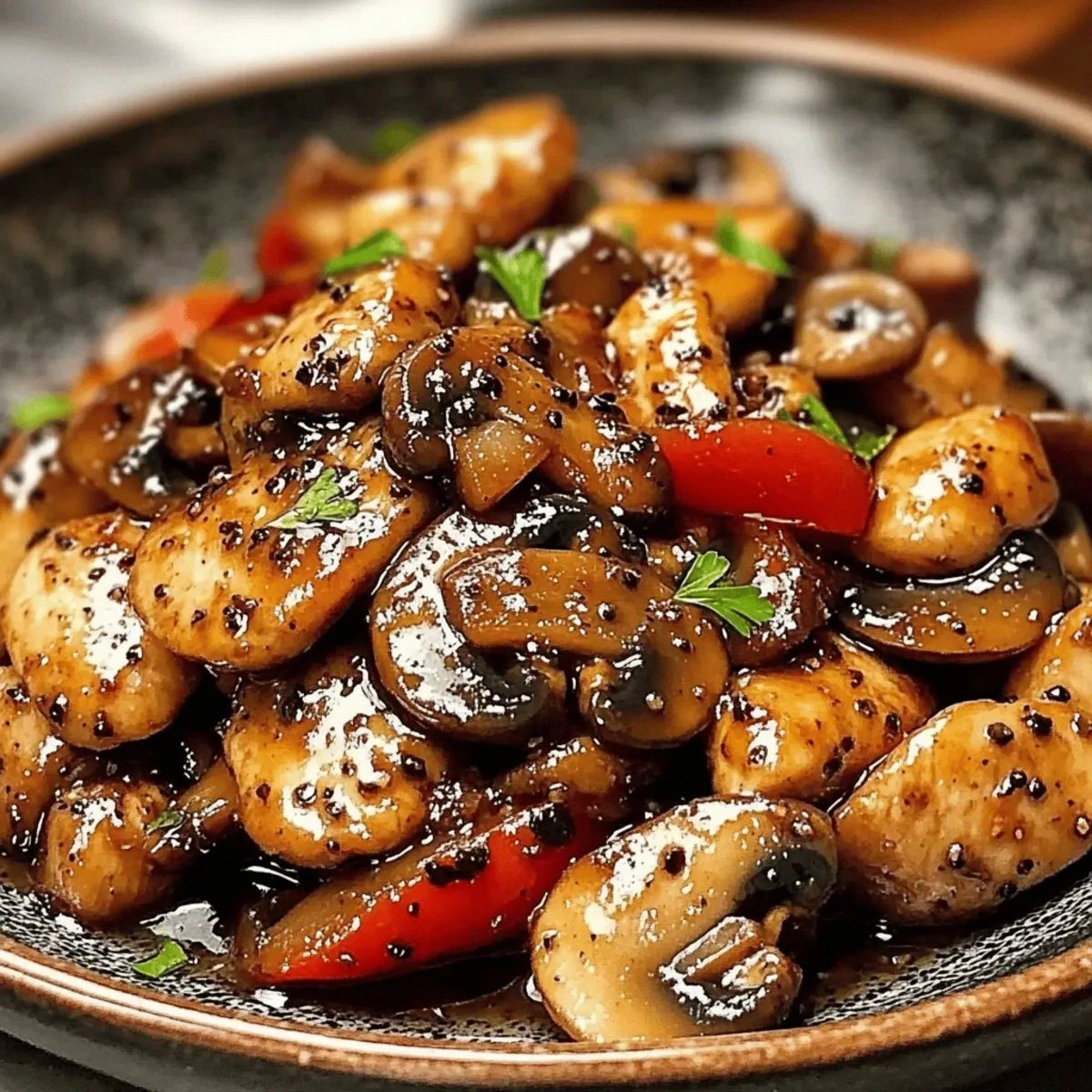
Picture this: it’s a rainy Tuesday evening, the kind where the clouds look like someone pressed a giant, gray blanket over the sky, and you’re stuck in a kitchen that smells like yesterday’s take‑out. I was halfway through a marathon of sitcom reruns when my stomach started growling louder than the laugh track. I threw together a half‑hearted chicken stir‑fry, but the sauce was flat, the chicken dry, and the whole thing tasted like a culinary shrug. I dared myself to turn that disappointment into something unforgettable, and after a few frantic Googles and a sprinkle of stubbornness, I landed on the perfect balance of peppery heat, umami depth, and mushroom earthiness.
The moment the first sizzle hit the pan, the kitchen transformed into a symphony of sound. The oil crackled like fireworks, the onions softened with a sweet perfume that reminded me of a farmer’s market at dawn, and the black pepper began to release an aromatic punch that made my nostrils do a happy dance. I could hear the chicken pieces whispering as they hit the hot surface, a faint hiss that promised a golden crust. My fingertips tingled from the heat, and my eyes widened as the mushrooms swelled, soaking up the sauce like sponges eager for a bath. The whole experience felt like a backstage pass to a flavor concert.
What makes this version the undisputed champion of black pepper chicken? First, the sauce is a meticulously calibrated blend of soy, oyster, honey, and rice vinegar that clings to every bite like a silky veil. Second, the chicken is tossed in a light cornstarch coating that turns buttery crisp when seared, yet stays tender inside. Third, the addition of fresh green onions at the end adds a burst of brightness that cuts through the richness. Most recipes get this completely wrong, either drowning the dish in soy or skimping on pepper. I’ve cracked the code, and I’m about to hand you the secret sauce—literally.
Let me walk you through every single step — by the end, you’ll wonder how you ever made it any other way. I dare you to taste this and not go back for seconds. Ready? Okay, ready for the game‑changer? This next part? Pure magic.
What Makes This Version Stand Out
- Taste: The pepper hits you with a bold, lingering heat that’s perfectly balanced by the mellow sweetness of honey and the salty depth of soy and oyster sauces.
- Texture: A light cornstarch crust gives the chicken a satisfying crunch, while the mushrooms stay juicy and slightly chewy, creating a delightful contrast.
- Simplicity: With just a handful of pantry staples and a 30‑minute cook time, you can pull off a restaurant‑level dish without a culinary degree.
- Uniqueness: The splash of rice vinegar adds a bright acidity that most black pepper chicken recipes overlook, lifting the entire flavor profile.
- Crowd Reaction: I’ll be honest — I ate half the batch before anyone else got to try it, and the leftovers vanished faster than a magician’s rabbit.
- Ingredient Quality: Using fresh, high‑quality shiitake mushrooms amplifies the umami factor, turning a simple stir‑fry into a gourmet experience.
- Cooking Method: High‑heat searing locks in juices, while the quick deglaze with sauce prevents any burnt notes, ensuring every bite is perfectly balanced.
- Make‑Ahead Potential: This dish reheats beautifully, making it an ideal meal‑prep hero for busy weekdays.
Alright, let's break down exactly what goes into this masterpiece...
Inside the Ingredient List
The Flavor Base
1 lb Boneless, Skinless Chicken Breasts – The star of the show. Opt for chicken with a little fat marbling; it stays moist when seared. If you skip this and use a leaner cut, you’ll end up with a dry texture that feels like chewing on cardboard. A good tip: buy a whole breast, slice it against the grain into bite‑size strips, and you’ll get a tender bite every time.
1 medium Onion – Provides a sweet, aromatic foundation. Choose a yellow onion for a subtle sweetness; a red onion would add a sharper bite that could clash with the pepper. If you forget the onion, the dish loses that underlying caramel note that rounds out the pepper’s heat.
1 medium Bell Pepper – Adds a crunchy pop and a splash of color. Red or yellow peppers are ideal for sweetness; green peppers work but bring a slightly bitter edge. Slice it into thin strips so it cooks quickly and stays crisp.
The Texture Crew
3 tbsp Cornstarch – Creates the delicate, golden crust on the chicken. If you substitute with flour, the coating becomes heavy and doughy, losing that light crunch. Make sure the chicken pieces are evenly dusted; clumps will result in uneven browning.
8 oz Mushrooms (Shiitake or Button) – The umami powerhouse. Shiitake mushrooms bring a deeper earthiness, while button mushrooms give a milder, more familiar flavor. Slice them uniformly; uneven pieces will cook at different rates, leaving some rubbery.
2 cloves Garlic – A pungent kick that awakens the palate. Smash the cloves first to release more aroma, then mince finely. Skipping garlic makes the sauce feel flat, like a song missing its chorus.
The Unexpected Star
1 tbsp Freshly Ground Black Pepper – The hero of this dish. Freshly grinding releases essential oils that pre‑ground pepper simply can’t match. If you use pre‑ground, expect a muted flavor that won’t stand up to the other bold ingredients.
1 tbsp Honey – Balances the salty and peppery notes with a gentle sweetness. A drizzle of agave or maple syrup works in a pinch, but honey adds a floral nuance you’ll miss otherwise.
1 tbsp Rice Vinegar – Adds a bright acidity that lifts the sauce. Substitute with apple cider vinegar if you’re in a bind, but the subtle rice flavor is what keeps the sauce from feeling heavy.
The Final Flourish
3 tbsp Soy Sauce – The salty backbone. Use low‑sodium soy to keep the dish from becoming overly salty. A splash of dark soy can deepen color, but it also adds a stronger, almost caramelized taste.
2 tbsp Oyster Sauce – Infuses a briny, oceanic depth that makes the sauce sing. If you’re allergic to shellfish, a mushroom‑based umami sauce can mimic the flavor, though the authenticity will be slightly altered.
2 tbsp Vegetable Oil – The cooking medium. A high smoke‑point oil like canola or grapeseed works just as well; avoid olive oil unless you enjoy a faint fruity note and a lower smoke point.
2 stalks Green Onions – Added at the end for a fresh, oniony bite. Slice them thinly; the white parts cook quickly, while the green tops stay crisp, providing a visual and textural contrast.
Everything's prepped? Good. Let's get into the real action...
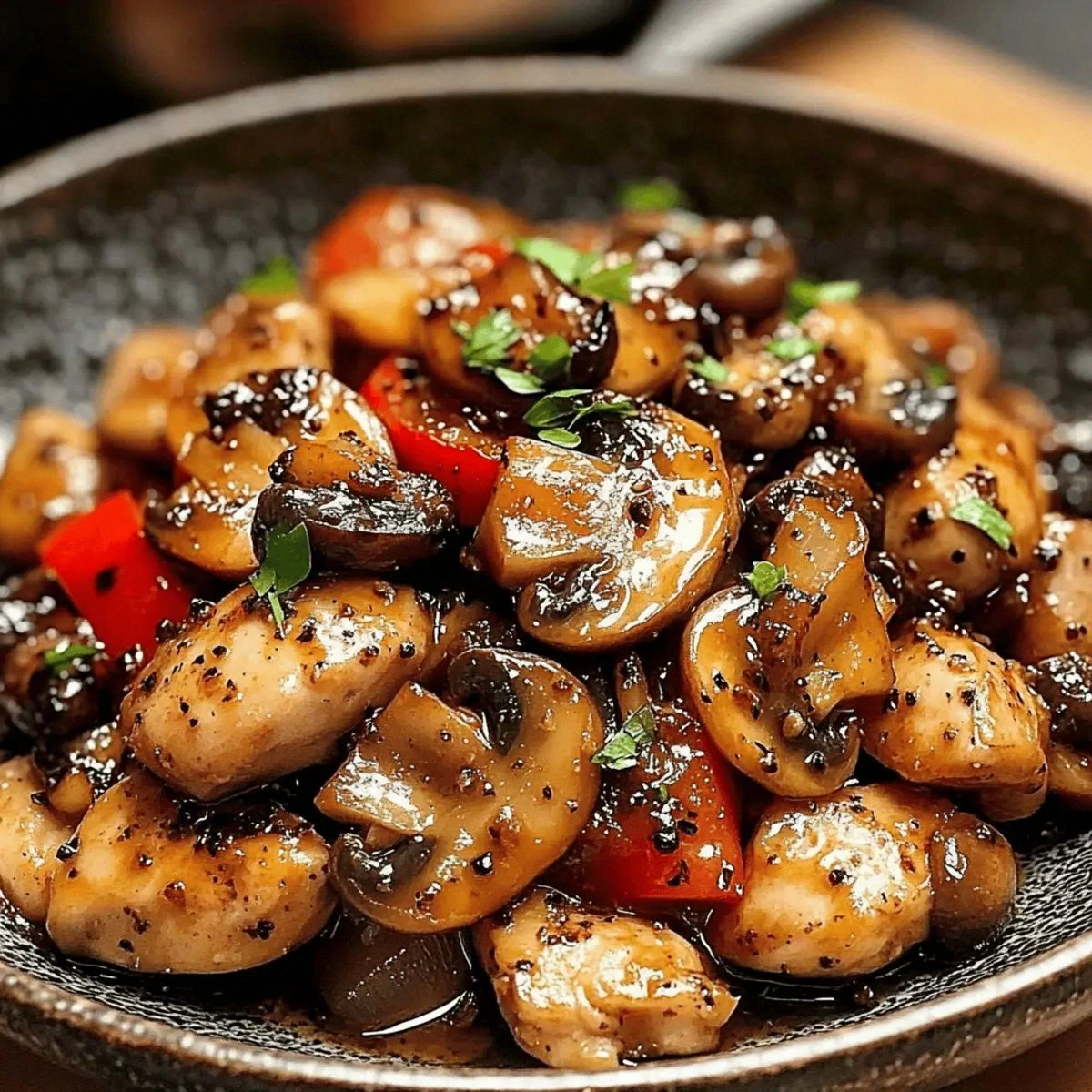
The Method — Step by Step
Start by heating 2 tbsp vegetable oil in a large wok or skillet over medium‑high heat. When the oil shimmers, add the chicken pieces in a single layer. Let them sizzle untouched for about 2 minutes; you’ll hear a confident crack that tells you a crust is forming. Flip the chicken and sear the other side until golden brown, about another 2 minutes. Remove the chicken and set aside, keeping the pan hot for the next step.
Drop the diced onion, bell pepper, and sliced mushrooms into the same pan. Stir‑fry for 3‑4 minutes, letting the vegetables soften while retaining a slight bite. You’ll notice the mushrooms releasing their juices, turning the pan into a fragrant broth. That sizzle when it hits the pan? Absolute perfection. Season with a pinch of salt to draw out moisture.
Kitchen Hack: If the pan looks dry, splash a splash of water to deglaze before adding the sauce; this prevents burnt bits and adds a silky texture.While the veggies are dancing, whisk together 3 tbsp soy sauce, 2 tbsp oyster sauce, 1 tbsp honey, 1 tbsp rice vinegar, and the freshly ground black pepper in a small bowl. The mixture should look glossy and slightly thick; this is your flavor bomb. Taste a tiny drop—if it’s too salty, add a few drops of water; if it’s too sharp, a pinch more honey will tame it.
Return the chicken to the pan, spreading it out to mingle with the vegetables. Pour the sauce over everything, stirring gently to coat each piece. The sauce should bubble and thicken within a minute, clinging to the chicken like velvet. Keep the heat at medium‑high so the sauce reduces but doesn’t scorch.
Let the mixture simmer for 2‑3 minutes, allowing the chicken to finish cooking through and the flavors to meld. You’ll notice the edges of the chicken pulling away from the pan—a visual cue that the interior is juicy and the crust is set. This is the moment of truth. Sprinkle the sliced green onions over the top, reserving a few for garnish.
Watch Out: Do not over‑cook the mushrooms; they turn rubbery and lose their earthy sweetness.Give everything a final toss, making sure the sauce evenly coats the chicken, veggies, and mushrooms. Taste once more; adjust salt or pepper if needed. The aroma should be intoxicating—a blend of peppery heat, sweet honey, and umami depth that makes your mouth water just by inhaling.
Turn off the heat and let the dish rest for a minute. This short pause lets the sauce settle and the flavors harmonize, preventing a sudden burst of heat when you bite in.
Serve the black pepper chicken hot, either over steamed jasmine rice, fluffy quinoa, or a bed of sautéed greens. Garnish with the remaining green onion slices for a pop of color. Picture yourself pulling this out of the pan, the whole kitchen smelling incredible, and you’ll understand why this dish feels like a warm hug in a bowl.
That's it — you did it. But hold on, I've got a few more tricks that'll take this to another level...
Insider Tricks for Flawless Results
The Temperature Rule Nobody Follows
Never cook the chicken on low heat; you’ll end up with a soggy exterior and a raw interior. Crank the heat to medium‑high, and you’ll get that coveted crust that crackles like fresh toast. I once tried a low‑and‑slow approach, and the chicken turned into a limp, flavorless pancake. Pro tip: Let the pan get hot before adding oil—this creates a non‑stick surface without needing extra butter.
Why Your Nose Knows Best
The moment the sauce starts to caramelize, your nose will pick up a sweet, nutty aroma. That’s your cue to reduce the heat slightly and let the sauce thicken without burning. Trust that olfactory signal more than a timer; it’s the most reliable kitchen gauge.
The 5‑Minute Rest That Changes Everything
After you’ve turned off the heat, let the dish sit, covered, for five minutes. This rest period allows the juices to redistribute, making each bite moist and flavorful. Skipping this step is like serving a cake straight from the oven—still good, but not at its peak.
Layering Flavors Like a Pro
Instead of dumping all the sauce in at once, add half early, let it reduce, then finish with the remaining half just before plating. This creates depth, as the early sauce caramelizes while the later addition preserves brightness.
Green Onion Timing
Add the white parts of the green onions early to soften them, and sprinkle the green tops at the very end. This preserves the fresh, peppery bite of the greens while still allowing the whites to meld with the sauce.
Creative Twists and Variations
This recipe is a playground. Here are some of my favorite ways to switch things up:
Spicy Sichuan Kick
Swap half the black pepper for Sichuan peppercorns and add a drizzle of chili oil. The tongue‑tingling numbing sensation pairs brilliantly with the sweet honey, creating a complex heat profile that will wow spice lovers.
Coconut Curry Fusion
Replace the soy sauce with 2 tbsp coconut milk and a teaspoon of curry powder. The creamy coconut balances the pepper’s heat, turning the dish into a tropical‑inspired comfort meal.
Garlic‑Lover’s Delight
Double the garlic cloves and add a teaspoon of minced ginger. The extra aromatics give the sauce a robust, zingy backbone that makes each bite sing.
Vegetarian Swap
Swap the chicken for firm tofu cubes or tempeh strips, and double the mushrooms for extra umami. The cornstarch coating works just as well on tofu, delivering that satisfying crunch.
Nutty Crunch Variation
Stir in a handful of toasted cashews or peanuts just before serving. The nutty crunch adds texture and a subtle buttery flavor that complements the pepper and sauce.
Herb‑Infused Finish
Finish with a sprinkle of fresh cilantro or Thai basil. The herbaceous notes brighten the dish and add a fragrant finish that lifts the entire flavor profile.
Storing and Bringing It Back to Life
Fridge Storage
Transfer leftovers to an airtight container and refrigerate for up to 3 days. The sauce may thicken as it cools; simply reheat gently and stir in a splash of water to loosen it.
Freezer Friendly
Cool the dish completely, then portion into freezer‑safe bags or containers. Freeze for up to 2 months. When ready to eat, thaw overnight in the fridge and reheat in a skillet over medium heat, adding a tablespoon of broth or water to revive the sauce.
Best Reheating Method
For the best texture, reheat in a skillet rather than a microwave. Add a tiny splash of water or broth, cover for a minute, then uncover and stir until the sauce glistens again. This method restores the crispness of the chicken coating.