I remember the night my roommate and I were trying to salvage a soggy batch of battered fish from last week’s take‑out. The fish was limp, the batter had turned into a greasy sludge, and the whole kitchen smelled like disappointment. I stared at that plate, felt a pang of culinary injustice, and said to myself, “I’ll never let this happen again.” That moment sparked a mission: to create the most glorious, crisp, moist, and utterly satisfying air‑fried fish anyone has ever tasted.
Picture this: a bright, sun‑kissed kitchen, the air humming with anticipation. As you pour the flour into a shallow dish, the scent of fresh paprika and garlic powder rises, mingling with the tang of lemon zest. The sound of the first fillet hitting the hot air‑fryer basket is a satisfying clack, a promise that crispness is about to arrive. The texture of the batter, light as a feather yet firm enough to hold the fish, will crackle against the air‑fryer’s hot surface, turning into golden, crunchy edges that shatter like thin ice. The taste? A symphony of buttery, herby, and slightly smoky notes, with a citrus finish that lingers on the palate.
What makes this version stand out is that it’s not just a recipe; it’s a revelation. It’s the kind of dish that turns an ordinary dinner into a showstopper, a crowd‑pleaser that makes guests ask, “What’s your secret?” The technique is simple enough for a novice, yet refined enough to impress a seasoned chef. The result is a fish that’s tender inside, crisp outside, and packed with flavor—without any of the greasy aftermath that usually comes with fried foods. It’s a game‑changer, and I dare you to taste this and not go back for seconds.
So, if you’ve ever struggled to get that perfect crunch or worried about overcooking the fish, you’re not alone. I’ve been there, and I’ve perfected a method that guarantees consistency, even on the first try. Let me walk you through every single step—by the end, you’ll wonder how you ever made it any other way.
What Makes This Version Stand Out
- Taste: The blend of herbs, citrus, and a touch of heat creates a flavor profile that is both familiar and adventurous. Each bite delivers a burst of freshness that cuts through the richness of the coating.
- Texture: The dual‑layer coating—flour and panko—creates a crunchy exterior that remains airy, while the interior stays moist and flaky. The result is a satisfying crunch that doesn’t compromise the fish’s tenderness.
- Ease: The method uses only a handful of pantry staples, eliminating the need for exotic ingredients or complicated prep. This simplicity makes it a go‑to for busy weeknights.
- Uniqueness: A secret citrus‑infused butter glaze adds a subtle sheen and a bright finish that sets this dish apart from standard battered fish.
- Showmanship: The final presentation—golden fillets garnished with parsley and lime wedges—creates an Instagram‑ready plate that impresses even the most discerning eye.
- Make‑ahead Potential: The fish can be assembled and refrigerated for up to 24 hours, then air‑fried fresh. This makes it ideal for dinner parties or meal‑prep enthusiasts.
Alright, let’s break down exactly what goes into this masterpiece…
Inside the Ingredient List
The Flavor Base
The foundation of this recipe is a simple yet powerful blend of spices and aromatics. Salt, black pepper, paprika, and garlic powder form the first line of defense against blandness. They coat the fish with a savory depth that elevates every bite. If you skip this step, the coating will taste like a hollow shell, lacking the punch that drives the dish.
The Texture Crew
All‑purpose flour and panko breadcrumbs work in tandem to create the signature crunch. Flour provides a light batter that adheres to the fish, while panko adds a airy, flaky exterior. Together, they create a coating that cracks like a well‑timed popcorn pop. If you substitute panko with regular breadcrumbs, the texture will become dense and less satisfying.
The Unexpected Star
A splash of milk and a beaten egg bind the coating, ensuring it clings to the fish without becoming soggy. The milk adds moisture, preventing the batter from drying out during air‑frying. The egg adds structure, giving the crust a glossy, golden finish. Without these liquids, the coating would flake off mid‑cooking.
The Final Flourish
Melted butter, lemon zest, and fresh parsley add a buttery sheen and a bright, herbal note. The butter’s fat content helps the coating crisp up, while the lemon zest introduces a citrusy brightness that balances the richness. Parsley brings a fresh, green pop that makes the dish look as good as it tastes. Skipping this step results in a plain, unadorned dish that lacks visual appeal.
Everything’s prepped? Good. Let’s get into the real action…
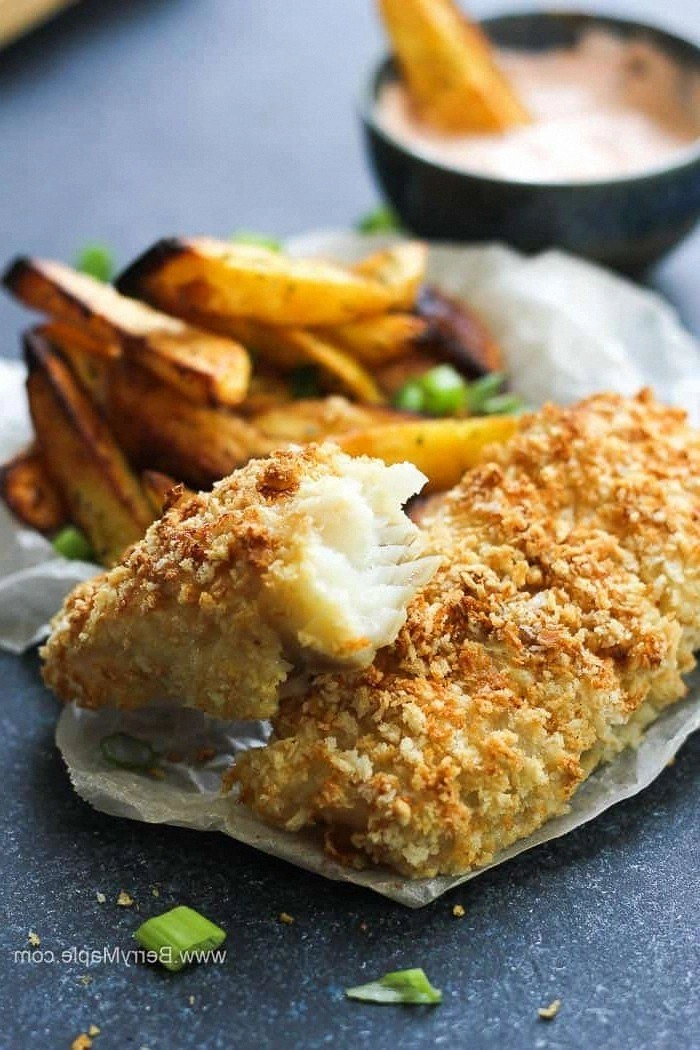
The Method — Step by Step
- Prep the Fillets: Rinse the fish fillets under cold water and pat them dry with paper towels. Season both sides with salt, pepper, paprika, garlic powder, and a pinch of cayenne if you like heat. The seasoning will penetrate the flesh, ensuring every bite is flavorful. I swear, the aroma alone makes the kitchen feel like a gourmet restaurant.
- Set Up the Battering Station: In a shallow dish, combine the flour, a teaspoon of salt, and a dash of pepper. In a second dish, whisk the eggs with milk until frothy. In a third dish, mix panko breadcrumbs with grated Parmesan, lemon zest, and chopped parsley. The three stations will allow you to coat the fillets efficiently.
- Coat the Fillets: Dip each fillet first into the flour mixture, shaking off excess. Then plunge into the egg mixture, letting the liquid cling. Finally, roll in the breadcrumb mixture, pressing gently to ensure an even coating. The coating should feel tacky but not wet. This layered approach is the secret to a crisp exterior.
- Preheat the Air Fryer: Set your air fryer to 400°F (204°C) and allow it to heat for 3 minutes. A hot basket is essential for achieving that first crisp bite. If you’re using a convection oven, set it to 425°F with a fan on.
- Arrange Fillets in Basket: Lightly spray the air fryer basket with cooking spray or brush a thin layer of olive oil. Place the coated fillets in a single layer, ensuring they don’t touch. Overcrowding will cause steaming instead of crisping.
- First Fry: Cook the fillets for 8 minutes. At this point, the coating should be golden and the fish should start to lift from the basket. Flip the fillets with tongs, then continue cooking for another 4 minutes. The internal temperature should reach 145°F (63°C). The sizzling sound is your cue that the coating is caramelizing beautifully.
- Apply the Butter Glaze: While the fish is still hot, drizzle melted butter mixed with lemon zest over each fillet. This glaze adds a glossy finish and a buttery depth that complements the crispy coating. The citrus note will cut through the richness, balancing the flavors.
- Finish with Fresh Herbs: Sprinkle chopped parsley over the fillets and add a squeeze of fresh lime juice. The herbs add a burst of color and a bright, green contrast to the golden crust. Serve immediately for the best texture.
- Serve and Enjoy: Plate the fish on a warmed dish, garnish with lime wedges, and serve with your favorite side—perhaps a crisp salad or roasted veggies. The aroma will fill the room, and the first bite will be a revelation. I dare you to taste this and not go back for seconds.
That’s it—you did it. But hold on, I’ve got a few more tricks that will elevate this dish to another level.
Insider Tricks for Flawless Results
The Temperature Rule Nobody Follows
Many people set their air fryers to 350°F, thinking it’s safer. In reality, 400°F is the sweet spot for a crisp exterior and a fully cooked interior. The higher heat caramelizes the coating faster, locking in moisture. If you’re using a convection oven, set it to 425°F with the fan on for the same effect.
Why Your Nose Knows Best
Pay attention to the aroma. When the coating starts to turn golden, the smell will shift from raw flour to toasted, buttery notes. That’s your cue to flip the fillets. If you wait too long, the coating will burn; if you flip too early, it won’t crisp.
The 5‑Minute Rest That Changes Everything
After air‑frying, let the fillets rest on a wire rack for 5 minutes. This allows the steam to escape, preventing sogginess. The resting period also lets the butter glaze set, giving a glossy sheen. Skipping this step results in a slightly greasy finish.
Use Fresh Herbs, Not Dried
Fresh parsley and cilantro add brightness that dried herbs can’t match. The oils in fresh herbs release during cooking, infusing the dish with vibrant flavor. If you must use dried, rehydrate them in warm water before adding.
Serve Immediately, Or Reheat Wisely
The fish is at its best when served hot. If you must reheat, use a toaster oven or a skillet, not the microwave, to preserve the crispness. A quick 30‑second blast on high heat will revive the coating without drying out the interior.
Creative Twists and Variations
This recipe is a playground. Here are some of my favorite ways to switch things up:
Citrus‑Infused Coconut Crunch
Swap panko for shredded coconut and add a splash of coconut milk to the batter. The result is a tropical twist that pairs beautifully with a mango salsa. It’s perfect for summer gatherings or a beach‑side dinner.
Spicy Sriracha Glaze
Replace the butter glaze with a mixture of Sriracha and honey. The heat from the sriracha balances the sweetness of honey, creating a bold, fiery finish. This version is ideal for those who love a kick.
Herb‑Roasted Tomato Reduction
Serve the fish over a bed of roasted tomatoes and basil. The acidity of the tomatoes cuts through the richness of the coating, while the basil adds a fragrant aroma. It’s a Mediterranean‑inspired take that feels both comforting and sophisticated.
Maple‑Glazed Bacon‑Wrapped Fillets
Wrap each fillet in a thin strip of bacon before air‑frying. Drizzle with maple syrup during the last minute of cooking. The bacon adds smoky flavor, while the maple syrup provides a caramelized glaze that’s utterly addictive.
Miso‑Soy Glaze
Finish the fish with a miso‑soy glaze made from white miso, soy sauce, and a touch of mirin. The umami depth of miso complements the fish’s natural flavors, creating an Asian‑inspired profile. Serve with steamed rice for a balanced meal.
Storing and Bringing It Back to Life
Fridge Storage
Store leftover fish in an airtight container in the refrigerator for up to 2 days. The coating will soften slightly, so it’s best served fresh. If you must refrigerate, keep the fish on a paper towel to absorb excess moisture.
Freezer Friendly
For longer storage, freeze the fillets in a single layer on a parchment‑lined tray before transferring them to a freezer bag. They can stay frozen for up to 3 months. When ready to use, thaw overnight in the refrigerator.
Best Reheating Method
Reheat in a preheated air fryer at 375°F for 5 minutes, or in a skillet over medium heat with a splash of water to create steam. Add a tiny splash of water before reheating to keep the fish moist. Finish with a quick drizzle of butter for extra flavor.