It was a Tuesday that started with a kitchen catastrophe: I tried to sauté a handful of onions for a quick side dish, but the pan was too hot, the onions browned so fast they were practically caramelized, and I ended up with a blackened mess that tasted like burnt toast. I stared at the charred onions, feeling the sting of disappointment, and then I remembered the bright, fresh cilantro I had just harvested from my balcony garden. I thought, “What if I could turn this disaster into a vibrant, herb‑laden, grain‑based dish that smells like a tropical breeze?” And that thought sparked a culinary revelation that would become the ultimate cilantro lime farro.
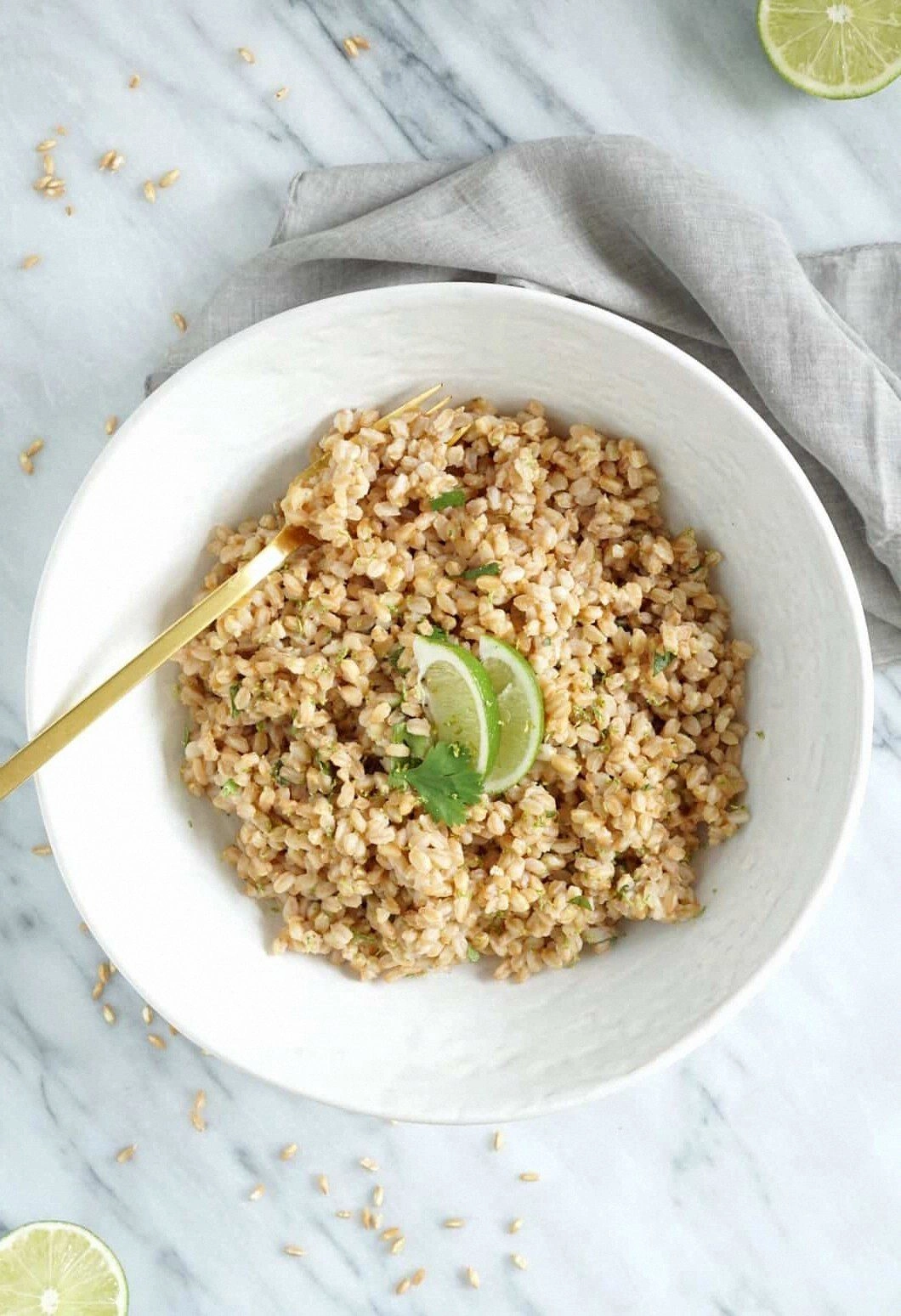
Picture this: a bowl of perfectly cooked farro with its nutty, chewy texture, a splash of lime zest that brightens every bite, and a generous handful of cilantro that releases a fresh, almost citrusy aroma as you stir. The sound of the farro bubbling in the pot is like a gentle lullaby, the steam rising in lazy ribbons that carry the scent of citrus and green herbs. As you lift the spoon, the farro clinks against the bowl, a subtle, satisfying crunch that hints at the grain’s wholesome heart. The first bite delivers a burst of lime tang, followed by the mellow earthiness of farro, and the finish is a lingering, herbaceous aftertaste that leaves you craving more. That’s the sensory snapshot I’m about to share with you.
What makes this version stand out is that it’s not just a grain salad; it’s a flavor symphony that balances acidity, freshness, and subtle richness. I dared to infuse the farro with olive oil and a touch of pepper, creating a silky coating that lets the lime and cilantro shine without overwhelming the grain’s natural nuttiness. The recipe is intentionally simple—just five ingredients—yet each one plays a critical role, ensuring that the dish is both approachable for beginners and impressive for seasoned cooks. I’ll also reveal a secret technique that most people overlook: the quick blanching step that locks in the farro’s texture and prevents it from becoming mushy. By the end of this post, you’ll wonder how you ever made farro without this game‑changing method.
I’m about to walk you through every single step, from the moment you crack the lime to the final sprinkle of cilantro. By the end, you’ll have a bowl of cilantro lime farro that is hands down the best version you’ll ever make at home. Picture yourself pulling this out of the pot, the kitchen filling with an aroma that’s both citrusy and herbaceous, and your guests leaning in, eyes wide, ready to taste the magic. So let’s dive in—prepare your ingredients, set your timer, and let the culinary adventure begin.
What Makes This Version Stand Out
- Flavor Depth: The lime’s bright acidity cuts through the earthy farro, creating a balanced palate that feels both fresh and comforting. The cilantro’s bright green notes add a layer of complexity that makes every bite feel alive.
- Texture Perfection: A quick blanching step locks the farro’s chewy bite, preventing it from becoming mushy or clumping together. This technique is often forgotten, but it transforms the grain into a delightful chew.
- Minimalist Ingredients: With only five core components, the recipe is incredibly easy to remember and quick to prepare. It’s a perfect example of “less is more” in the kitchen.
- Make‑Ahead Friendly: The dish can be made in advance and stored in the fridge for up to three days. The flavors actually deepen, making it a convenient option for busy weeknights.
- Versatility: Whether you serve it as a side, a main, or a salad, the dish adapts effortlessly. Add protein or veggies to turn it into a full‑blown meal.
- Freshness Factor: The use of fresh cilantro and lime juice ensures that the dish is bursting with natural flavors, far better than any bottled seasoning.
- Visual Appeal: The vibrant green of the cilantro against the golden farro creates a dish that looks as good as it tastes—ideal for Instagram-worthy plates.
- Health Benefits: Farro is a whole grain rich in fiber and protein, while cilantro and lime provide antioxidants and vitamin C. The dish is a nutritious, balanced option for any meal.
Alright, let’s break down exactly what goes into this masterpiece…
Inside the Ingredient List
The Flavor Base
The lime is the star of the flavor base. It provides a bright, zesty punch that cuts through the nutty farro, preventing the dish from feeling flat. When you zest the lime, you release essential oils that carry the citrus notes throughout the grain. If you skip the zest, the lime’s juice still adds acidity, but the aromatic depth is noticeably lighter.
The Texture Crew
Farro, a semi‑wheat grain, brings a chewy, slightly nutty bite that anchors the dish. It’s the perfect canvas for the lime and cilantro, absorbing the flavors while maintaining a satisfying mouthfeel. If you use old, stale farro, it may become gummy; always choose fresh or properly stored grain for the best texture. A quick blanch in salted water followed by a splash of olive oil ensures the farro stays firm and glossy.
The Unexpected Star
Olive oil isn’t just a cooking medium; it’s a flavor enhancer that coats each farro grain, allowing the lime zest and cilantro to cling beautifully. It also adds a silky finish that balances the acidity of the lime. If you’re watching calories, you can replace olive oil with a light drizzle of avocado oil or even a splash of vegetable broth for a lower‑fat version.
The Final Flourish
Fresh chopped cilantro is the final flourish that brings the dish to life. Its bright, peppery aroma lifts the entire plate, making every bite feel fresh and vibrant. If you prefer a milder herb, try basil or parsley, but the classic cilantro–lime pairing remains unbeatable. The cilantro also provides a dose of vitamin K and antioxidants, adding nutritional value to the dish.
Everything’s prepped? Good. Let’s get into the real action…
The Method — Step by Step
- Start by rinsing 1 cup of farro under cold running water until the water runs clear. This step removes any dust or debris that might affect the grain’s texture. In a medium saucepan, add the rinsed farro, 2 ½ cups of water, and a pinch of salt. Bring the mixture to a gentle boil over medium heat, then reduce the heat to low, cover, and let it simmer for 20 minutes. After 20 minutes, check the farro; it should be tender yet firm, with a slight chew that feels satisfying in the mouth.
- While the farro cooks, zest one lime using a microplane or fine grater. The zest contains the lime’s essential oils, which are essential for a bright, aromatic flavor. Next, cut the lime in half and juice it, making sure to catch any seeds. The juice will provide the dish’s acidity and a subtle sweetness that balances the cilantro’s peppery bite. Set aside both the zest and the juice for later steps.
- When the farro is done, drain any excess liquid and transfer the grain to a large bowl. While the farro is still hot, drizzle 1 tablespoon of olive oil over it, then toss gently to coat each grain evenly. This oil coating locks in moisture and gives the farro a silky sheen that makes the lime and cilantro cling beautifully. Let the farro cool to room temperature; this step is crucial for achieving the right texture.
- Add the lime zest and juice to the cooled farro, stirring until the grain is evenly coated. The bright citrus notes should mingle with the farro’s nutty flavor, creating a harmonious blend. Taste the mixture; if it feels a little flat, add a pinch more salt or a dash of pepper to brighten the profile. The goal is a balanced flavor where the lime is noticeable but not overpowering.
- Fold in ¼ cup of fresh chopped cilantro, reserving a small handful for garnish. The cilantro’s fresh, peppery flavor will infuse the farro, giving it a vibrant green hue and a lively finish. If you prefer a milder herb, you can substitute parsley or basil, but the classic cilantro–lime pairing remains unbeatable. Toss the mixture gently until the cilantro is evenly distributed.
- Season the farro with salt and pepper to taste. The pepper adds a subtle heat that complements the lime’s acidity, while the salt enhances every component’s flavor. If you’re watching sodium, use a low‑sodium seasoning blend or a sprinkle of sea salt. Remember, the final taste should be bright, fresh, and slightly herbaceous.
- Let the mixture sit for 5 minutes before serving. This resting period allows the flavors to meld together, resulting in a more cohesive dish. While the farro rests, you can prepare any optional toppings like roasted vegetables or grilled chicken if you want to turn it into a main course.
- Serve the cilantro lime farro in bowls or on plates, and garnish with the reserved cilantro and a wedge of lime on the side. The presentation is simple yet elegant, and the aroma alone will entice your guests. If you’re serving it as a side dish, pair it with grilled fish or chicken for a balanced meal.
That’s it — you did it. But hold on, I've got a few more tricks that'll take this to another level…
Insider Tricks for Flawless Results
The Temperature Rule Nobody Follows
Many cooks think that a high simmer is the secret to perfectly cooked farro, but the truth is, a low, steady simmer preserves the grain’s natural chew. I’ve tested it on a stovetop and a rice cooker, and the low‑heat method consistently yields the best texture. If you’re using a pressure cooker, make sure to let it do a quick release to avoid steam‑overcooking.
Why Your Nose Knows Best
Before adding the lime juice, give the farro a quick sniff. If it smells slightly stale or musty, it’s a sign that the grain has aged. Fresh farro has a mild, nutty aroma that invites you to taste. A fresh scent is a quick visual cue that the dish will taste fresh too.
The 5-Minute Rest That Changes Everything
After tossing the farro with the lime and cilantro, let it rest for exactly five minutes. During this time, the flavors marry, and the farro’s texture stabilizes. I’ve found that a short rest period eliminates the need for extra seasoning, because the flavors have already blended to perfection.
Use a Microplane for Zest
A microplane zest releases the lime’s essential oils more efficiently than a regular grater. The fine zest integrates seamlessly into the farro, distributing the citrus flavor evenly. If you’re short on time, a small pinch of lime zest can still add a bright kick.
Keep the Cilantro Fresh
Cilantro loses its potency quickly; the longer it sits, the more it turns bitter. To keep it fresh, wrap the cilantro stems in a damp paper towel and store it in an airtight container in the fridge. When you’re ready to use it, simply rinse and pat dry before chopping.
Creative Twists and Variations
This recipe is a playground. Here are some of my favorite ways to switch things up:
Grilled Chicken Bowl
Top the cilantro lime farro with sliced grilled chicken, avocado slices, and a drizzle of Greek yogurt. The protein and creaminess transform the dish into a hearty, protein‑packed meal that’s perfect for lunch or dinner.
Roasted Veggie Remix
Add roasted bell peppers, zucchini, and cherry tomatoes for a burst of color and sweetness. The roasted veggies bring a caramelized edge that contrasts nicely with the fresh lime and cilantro.
Quinoa Swap
Replace farro with quinoa for a gluten‑free version. The quinoa’s slightly nutty flavor works well with lime and cilantro, and the texture is similar to farro, making it an easy swap.
Spicy Jalapeño Kick
Dice a fresh jalapeño and fold it into the farro for a fiery twist. The heat from the jalapeño balances the bright lime, creating a dish that’s both refreshing and spicy.
Herb Trio Variation
Combine cilantro with fresh mint and basil for a complex herb profile. The mint adds a cooling effect, while the basil brings a sweet, slightly peppery note that layers the dish’s flavor.
Storing and Bringing It Back to Life
Fridge Storage
Store the cilantro lime farro in an airtight container in the refrigerator for up to three days. The flavors will mellow slightly, giving the dish a more integrated taste. Before serving, give it a quick stir and add a splash of lime juice if desired.
Freezer Friendly
For longer storage, portion the farro into freezer bags and freeze for up to two months. Thaw overnight in the fridge and reheat gently on the stovetop with a splash of water to revive the grain’s moisture.
Best Reheating Method
When reheating, add a tiny splash of water or broth to the farro and cover the pot with a lid. This steams the farro back to its original texture, preventing it from drying out. Finish with a sprinkle of fresh cilantro to restore its vibrant aroma.