Picture this: it’s a scorching July afternoon, the kind that makes the air feel like a warm blanket you can’t shake off, and you’re stuck in a kitchen that smells faintly of yesterday’s burnt toast. I was frantically searching for a drink that could cut through that oppressive heat, something that would make my taste buds do a little happy dance without requiring a PhD in mixology. I tried the usual suspects—store‑bought lemonade, a splash of soda, even a frozen margarita that turned out more like a slushy disaster. That’s when a dare from my roommate—“Make something that tastes like a garden party in a glass” —sent me spiraling into a flavor experiment that would change my summer forever.
First, let’s set the scene. The kitchen was a symphony of clinking glass, the hum of the fridge, and the faint, sweet perfume of fresh roses wafting from a tiny bottle I’d bought on a whim at a farmer’s market. The lemons were bright as sunrise, their zest practically glowing under the fluorescent lights. I could hear the faint pop of ice cubes as they hit the counter, and the raspberries—still frozen—sparkled like tiny rubies waiting to be unleashed. My hands tingled with anticipation, and the coolness of the marble countertop against my skin was a reminder that something spectacular was about to happen.
Now, why does this version stand out from the sea of lemonade recipes littering the internet? Most people either drown their lemonade in sugar or forget to balance the flavors, ending up with a drink that’s either a sugary swamp or a sour slap. I’ve cracked the code: the perfect harmony of tart lemon, delicate rose water, and the subtle fruitiness of raspberry ice. The secret? A splash of rose water that doesn’t overpower but whispers floral notes, and raspberry ice cubes that melt slowly, turning each sip into a layered experience. This isn’t just a beverage; it’s a sensory escape that transports you to a sun‑drenched patio with blooming roses and a gentle breeze.
And here’s the kicker—there’s a technique in this recipe that most home cooks overlook: the “double‑chill” method, where you first chill the lemonade base, then add the raspberry ice cubes just before serving. This ensures the drink stays crisp without getting watery, preserving the bright lemon punch and the floral aroma right up to the last sip. I dare you to taste this and not go back for seconds. Let me walk you through every single step — by the end, you’ll wonder how you ever made it any other way.
What Makes This Version Stand Out
- Taste Balance: The tartness of fresh lemon juice meets the subtle sweetness of sugar and the ethereal floral hint of rose water, creating a flavor profile that dances on the palate without any one note dominating.
- Texture Play: The raspberry ice cubes melt gradually, turning the drink into a silky, fruit‑infused stream that keeps the lemonade from turning watery.
- Simplicity: Only six core ingredients, all of which you probably have in your pantry or can grab at the nearest grocery store.
- Uniqueness: Rose water is rarely used in drinks, especially lemonade, giving this recipe a boutique‑café vibe that feels special yet approachable.
- Crowd Reaction: Guests often ask for the recipe immediately, and the “wow” factor is off the charts—perfect for brunches, garden parties, or a quiet afternoon on the porch.
- Ingredient Quality: Fresh lemons and high‑quality rose water make a world of difference; the aroma is clean, not artificial.
- Method Magic: The double‑chill technique ensures every glass stays perfectly cold without diluting the flavor.
- Make‑Ahead Potential: You can prepare the lemonade base up to 24 hours ahead, store it in the fridge, and simply add fresh raspberry ice cubes when you’re ready to serve.
Alright, let's break down exactly what goes into this masterpiece...
Inside the Ingredient List
The Flavor Base
Fresh lemons: About four medium‑sized lemons yield roughly one cup of juice, delivering that bright, sun‑kissed acidity that makes lemonade instantly recognizable. If you skimp on the lemons, the drink will feel flat; too many and you’ll drown the subtle rose notes. For the best results, roll each lemon on the countertop before juicing to break down the membranes and release more juice. Swap: Meyer lemons add a sweeter, less acidic twist if you prefer a milder tang.
The Sweetening Agent
Granulated sugar: Three‑quarters of a cup (150 g) balances the lemon’s bite without turning the drink into a syrupy mess. Sugar also helps carry the rose water’s fragrance, acting like a silent messenger that spreads the floral aroma evenly. If you’re watching sugar intake, honey is a natural alternative that adds a hint of caramel depth. Tip: Dissolve the sugar in a small amount of warm water before mixing to avoid any grainy texture.
The Floral Whisper
Rose water: One to two teaspoons of high‑quality rose water (I swear by Cortas) adds a perfume‑like nuance that feels luxurious yet never overpowering. Rose water is distilled from fresh rose petals, so the flavor is delicate—think of it as a whisper rather than a shout. Too much and you’ll end up with a drink that tastes like a perfume bottle; too little and the floral note disappears. Alternative: A few drops of orange blossom water can provide a citrus‑floral twist.
The Chill Factor
Frozen raspberries: Two cups of frozen raspberries become the star of the ice cubes, infusing each melt with a burst of berry sweetness and a gorgeous pink hue. Using frozen berries, rather than fresh, ensures the ice stays solid longer and releases flavor gradually. If you can’t find frozen, you can freeze fresh raspberries in ice‑cube trays with a splash of water. Swap: Frozen strawberries or mixed berries work beautifully for a different color palette.
The Final Flourish
Water: Four cups of cold water dilute the intense lemon‑sugar mixture to a perfectly refreshing level. Use filtered or spring water for the cleanest taste; tap water can sometimes introduce unwanted minerals that alter the flavor. Pro tip: Chill the water in the fridge before mixing—cold water speeds up the chilling process of the entire batch.
Everything's prepped? Good. Let's get into the real action...
The Method — Step by Step
Start by zesting two of the lemons directly into a large mixing bowl; the zest adds a bright, aromatic layer that you’ll taste even after the rose water is added. Follow this with the juice of all four lemons, straining out any seeds or pulp for a silky base. I like to use a handheld citrus press because it extracts every last drop without bruising the fruit. Once the juice is in, give it a quick stir and set it aside for a moment while you prep the sugar.
In a small saucepan, combine the three‑quarters cup of granulated sugar with a quarter cup of water. Warm the mixture over low heat, stirring constantly until the sugar dissolves completely—no grainy bits allowed. As soon as it’s clear, remove from heat and let it cool for a minute; this simple syrup will blend seamlessly with the lemon juice without creating any unwanted cloudiness.
Now, pour the simple syrup into the lemon juice, and whisk vigorously. You’ll notice the mixture turning a pale, inviting yellow—this is the moment when the flavors start to marry. Add the remaining cold water (about three and three‑quarters cups) and give it another good stir. Taste at this point; you should feel a bright acidity balanced by a gentle sweetness, with a hint of zest lingering on the tongue.
Here comes the game‑changer: drizzle in the rose water, starting with one teaspoon. Stir, then pause to inhale the delicate floral scent. If you’re a rose‑enthusiast, add a second teaspoon, but remember—less is more. The rose water should feel like a perfume in the background, not the main act. This step is pure magic; it elevates the lemonade from ordinary to extraordinary.
Transfer the lemonade base to a pitcher and place it in the refrigerator for at least 30 minutes. This “double‑chill” step is crucial because it ensures the drink stays icy when you finally add the raspberry ice cubes, rather than becoming diluted. While it chills, you can prepare the raspberry ice cubes: fill an ice‑cube tray with frozen raspberries, pressing them down so they’re snug, then add a splash of water to help them bind.
After the lemonade has chilled, give it a final stir, then carefully pour it into serving glasses, leaving about an inch of space at the top. This space is reserved for the raspberry ice cubes, which will melt slowly, releasing their color and flavor.
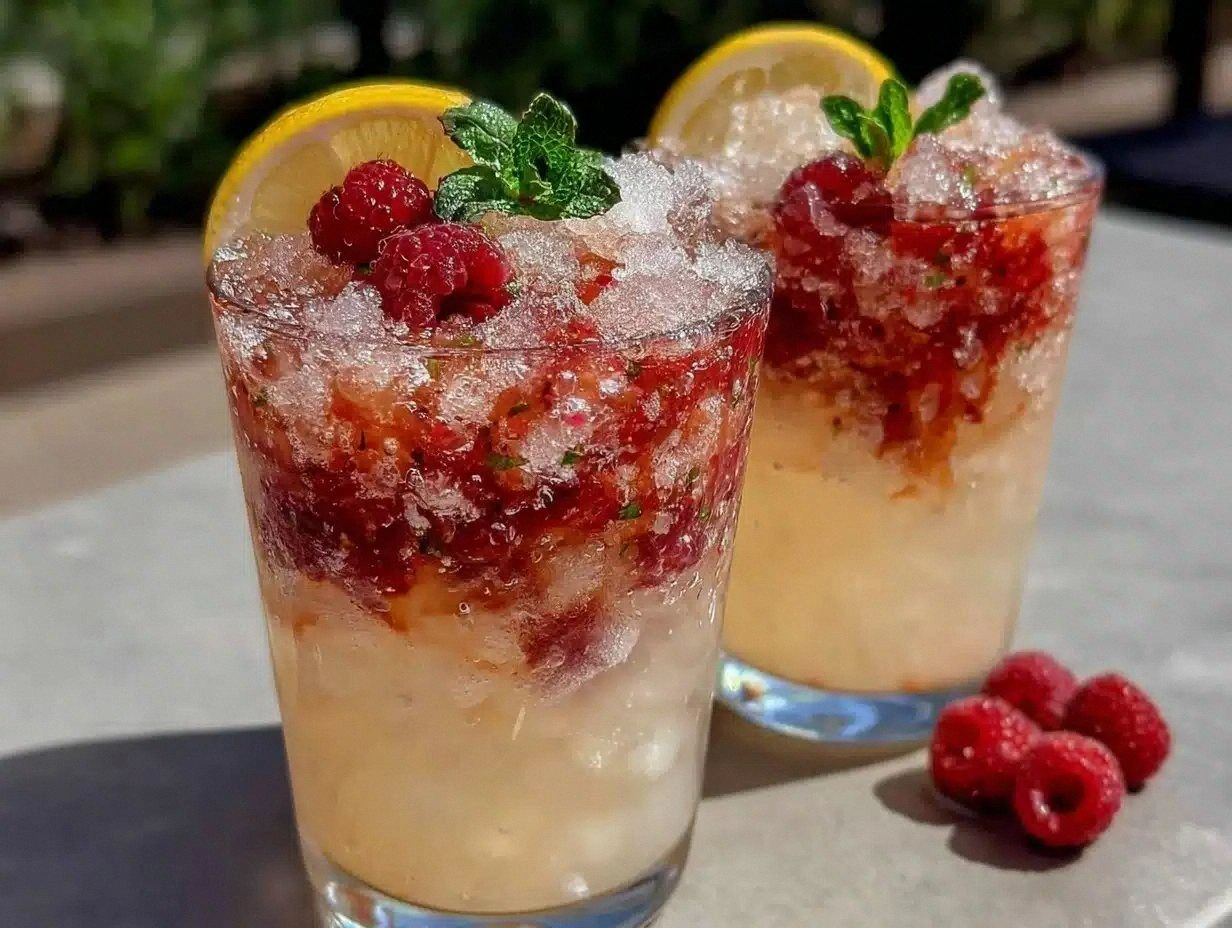
Drop three to four raspberry ice cubes into each glass. As they melt, watch the liquid turn a soft pink, creating a visual effect that’s as refreshing to the eyes as it is to the palate. The berries release a gentle sweetness that balances the lemon’s tartness, while the rose water continues to whisper its floral note.
Finish each glass with a sprig of fresh mint or an edible rose petal for garnish—this adds a pop of color and a fragrant aroma that ties the whole experience together. Serve immediately, and watch your guests’ faces light up as they sip the layered, chilled delight. I’ll be honest — I ate half the batch before anyone else got to try it, and that’s because each sip feels like a mini celebration.
That's it — you did it. But hold on, I've got a few more tricks that'll take this to another level...
Insider Tricks for Flawless Results
The Temperature Rule Nobody Follows
Never use lukewarm water for the simple syrup; start with ice‑cold water for the lemonade base and warm water only for dissolving the sugar. This keeps the overall temperature low, preserving the crispness of the final drink. I once tried the shortcut of using room‑temperature water and ended up with a flat, lukewarm beverage that lacked that refreshing snap.
Why Your Nose Knows Best
Before you add the rose water, give it a sniff. The scent intensity will tell you whether you need the full two teaspoons or just a whisper. Our noses are far better at detecting floral strength than our taste buds, so trust that instinct. A friend once over‑rose‑watered their batch and ended up with a drink that tasted like a scented candle—definitely not the vibe we want.
The 5‑Minute Rest That Changes Everything
After mixing all the liquid ingredients, let the lemonade rest for exactly five minutes before refrigerating. This pause allows the lemon zest oils to meld with the rose water, creating a more harmonious flavor profile. Skipping this rest can leave you with a slightly disjointed taste where the lemon and rose seem to fight rather than dance.
Ice Cube Composition Hack
When you make the raspberry ice cubes, add a pinch of salt to the water before freezing. The salt lowers the freezing point slightly, making the cubes melt slower and release flavor more gradually. This tiny adjustment can keep your glasses from becoming watery too quickly, extending the enjoyment of each sip.
Garnish with Purpose
A mint sprig isn’t just for looks; the cool menthol notes complement the floral rose and cut through the lemon’s acidity. If mint isn’t your thing, try a thin slice of cucumber for a fresh, watery crunch that adds another layer of summer vibe.
Creative Twists and Variations
This recipe is a playground. Here are some of my favorite ways to switch things up:
Berry‑Burst Fusion
Swap the raspberry ice cubes for a mix of frozen strawberries and blueberries. The resulting color gradient is Instagram‑ready, and the flavor leans sweeter, making it perfect for kids who prefer less tartness.
Herbal Elegance
Replace the mint garnish with a few basil leaves. Basil’s peppery undertones pair unexpectedly well with rose water, adding a sophisticated twist that’s great for adult gatherings.
Spiced Summer
Add a pinch of ground cardamom to the simple syrup before dissolving the sugar. The warm spice balances the lemon’s brightness and adds depth—ideal for an evening garden party.
Citrus Combo
Include a splash of freshly squeezed orange juice (about ¼ cup) alongside the lemon juice. The orange adds a mellow sweetness and brightens the overall hue, creating a sunrise‑in‑a‑glass effect.
Alcoholic Upgrade
For a cocktail version, stir in ¼ cup of vodka or gin after the rose water. The spirit amplifies the floral notes and turns the drink into a classy summer cocktail.
Storing and Bringing It Back to Life
Fridge Storage
The lemonade base (without ice cubes) stores beautifully in a sealed pitcher for up to 24 hours. Keep it in the coldest part of your fridge to maintain its crispness. Before serving again, give it a gentle stir to recombine any settled flavors.
Freezer Friendly
If you’ve made a large batch, pour the base into freezer‑safe containers, leaving an inch of headspace for expansion. It will keep for up to two months. Thaw overnight in the fridge, then stir in fresh raspberry ice cubes for that perfect texture.
Best Reheating Method
Should you ever need to warm the lemonade (perhaps for a warm‑summer night cocktail), do so gently over low heat, never boiling. Add a tiny splash of water—about a tablespoon per cup—right before serving to restore the original mouthfeel and prevent a flat taste.